
Game Microtransaction Trend: Digital Payment Convenience and the Risk of Impulsive Spending
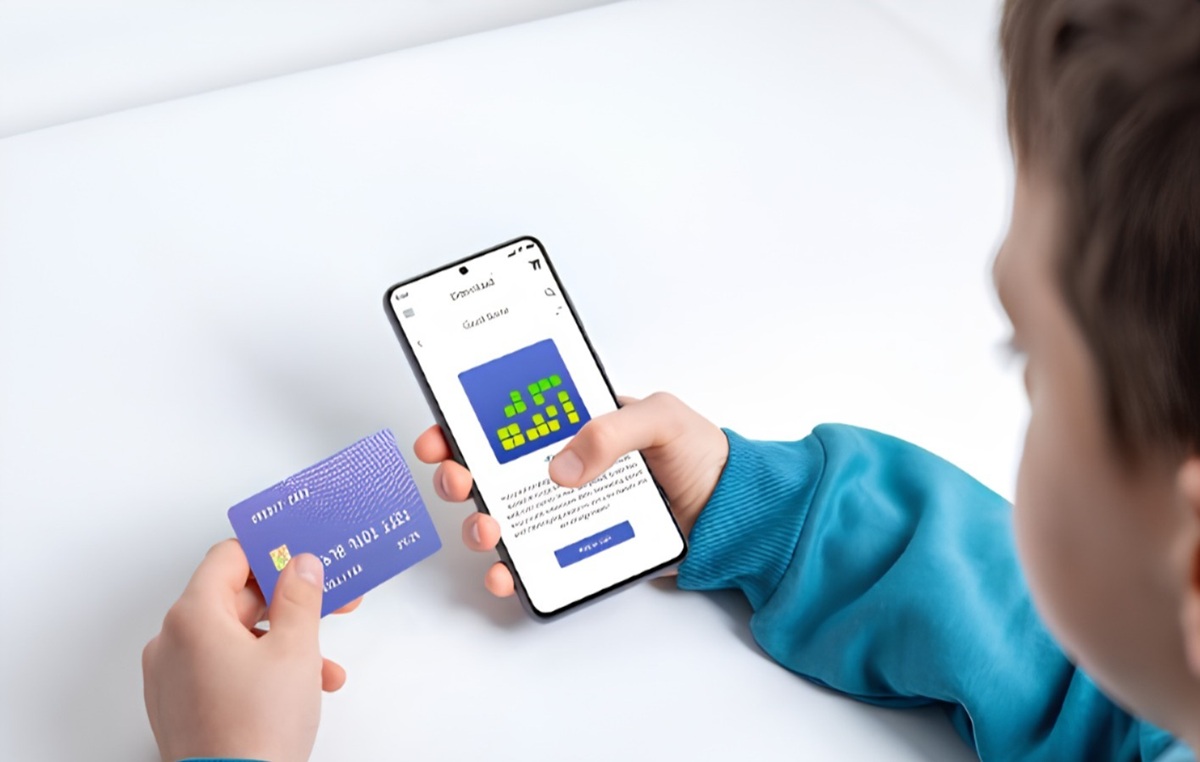
The ease of digital transactions has changed gamers’ habits when purchasing virtual goods within games. With just a few taps on a device screen, players can buy skins, characters, accessories, virtual currency and various additional items without ever leaving the game.
Virtual goods are digital products used only within a game’s ecosystem and have no physical form. These purchases are typically made through microtransactions, meaning small-scale transactions to obtain certain additional content or features.
Alongside the rapid development of digital payment systems, microtransactions have become increasingly integrated into the gaming experience. This transaction model has also become one of the main sources of income for developers, particularly for games that can be accessed free of charge.
Research published by MDPI Publisher in 2024 revealed consumer acceptance of the microtransaction concept. A study involving 180 consumers showed players’ willingness to pay for several categories of digital content.
This indicates that virtual goods are beginning to hold their own value for players. Although they serve no purpose outside the game world, a skin or accessory can give a character a distinctive appearance while enhancing satisfaction in the playing experience.
This behavioural shift is also supported by the convenience of payment methods. The integration of digital wallets, credit cards and various other payment options allows transactions to be completed instantly and directly from the device.
However, the relatively small purchase amounts often mean players do not feel they are spending much money. When carried out repeatedly, the accumulation of these small transactions can balloon into very substantial long-term expenditure.
The impact of this phenomenon has also drawn researchers’ attention. According to a study published in Addictive Behaviors Reports, there is a relationship between engagement in microtransactions and Internet Gaming Disorder and Gambling Disorder. This connection appears stronger with loot box mechanisms, where players purchase game items that award random prizes.
The presence of digital transactions ultimately does more than change how players pay; it also reshapes the perceived value of virtual goods. Items once regarded as mere supplementary elements now hold significant economic and emotional importance for gamers.
Therefore, amid the convenience these transactions offer, players are advised to exercise greater prudence in controlling the frequency and amount of their spending. By understanding transaction mechanisms and setting shopping budget limits, buying virtual goods can remain an enjoyable form of entertainment without undermining financial stability.