
Gambuh, Bali’s Oldest Dance-Drama
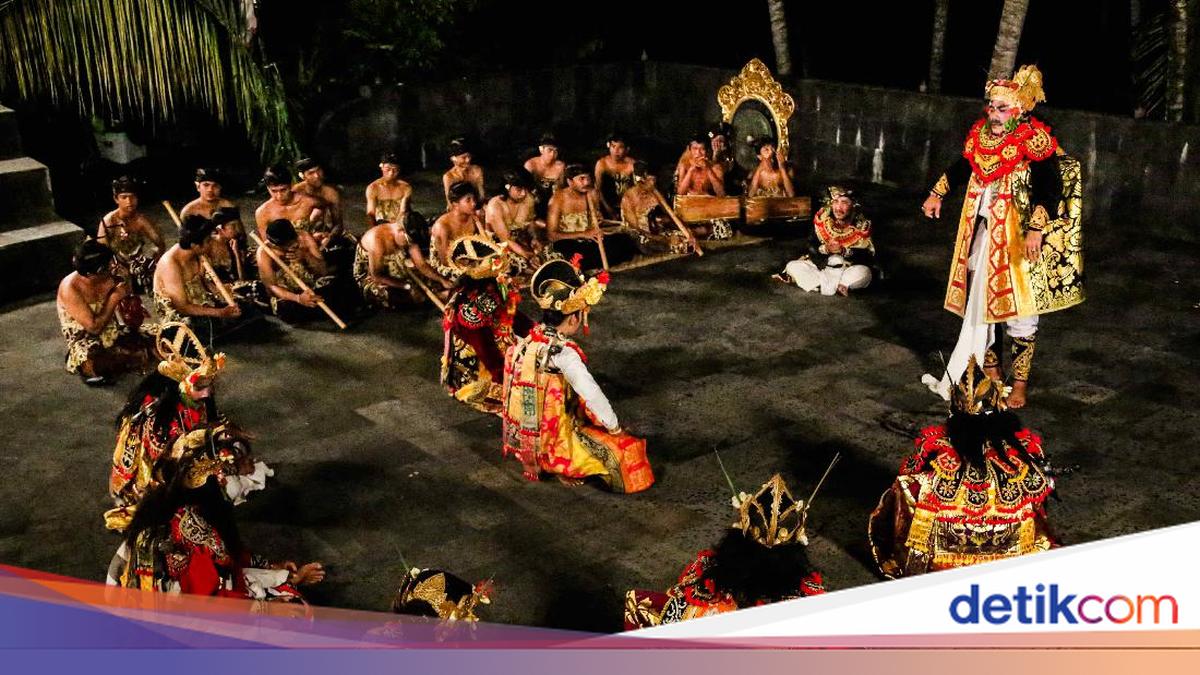
Gambuh is said to be the oldest classical dance-drama in Bali. It combines dance, drama, literature and song, accompanied by gamelan music known as tabuh pegambuhan.
A number of traditional villages in Bali continue to preserve Gambuh. However, ensuring that dancers and gamelan players take up the tradition remains a challenge.
According to the Badung Regency Culture Office website, Gambuh is thought to have existed since 1007 AD, during the reign of Sri Udayana. The form that saw many developments in Gambuh is believed to have emerged between the 14th and 16th centuries.
Gambuh is often described as the “mother” of Balinese dance-drama. Its rich movement vocabulary, dramatic structure and aesthetics have had a major influence on other Balinese art forms.
Stories and characters in Gambuh
Gambuh performances generally draw on the Panji or Malat stories, which recount the lives, romances and wars of kingdoms in East Java. The central story follows Panji’s adventures as he searches for his true love, Princess Rangkesari, with disguises, conflict and eventual reunion along the way.
In Gambuh performances, noble characters such as kings, princes and princesses speak in Kawi. Servant characters, including Condong, Taurus and Panasar, use Balinese.
Gambuh is generally accompanied by a gamelan pegambuhan ensemble in the Saih Pitu pelog tuning. Its distinctive sound comes from the large suling gambuh flute.
The suling gambuh can be considered the ensemble’s principal instrument, producing its characteristic tones. The gamelan pegambuhan also includes supporting instruments such as the rebab, kendang, gong, kajar, klenang and other percussion instruments.
Preserving Gambuh
Several villages in Bali continue to preserve Gambuh, including Batuan in Gianyar, Pedungan in Denpasar, Anturan and Tumbak Bayuh in Buleleng, and Budakeling in Karangasem.
In Batuan, Gambuh is usually performed in rotation by several troupes during odalan, or temple anniversary ceremonies. Active groups include Sanggar Kakul Mas, Tri Pusaka Sakti, Sunari Wakya, Satria Lelana, Sekeha Gambuh Mayasar and Sanggar Gambuh Semeton.
Preserving Gambuh requires collaboration among the government, traditional villages, academics, educational institutions and arts communities. This would help ensure that Gambuh is not performed only at festivals, but remains part of everyday artistic life in Bali.