
Gambir Station: From Colonial Stop to Planned KRL Revival
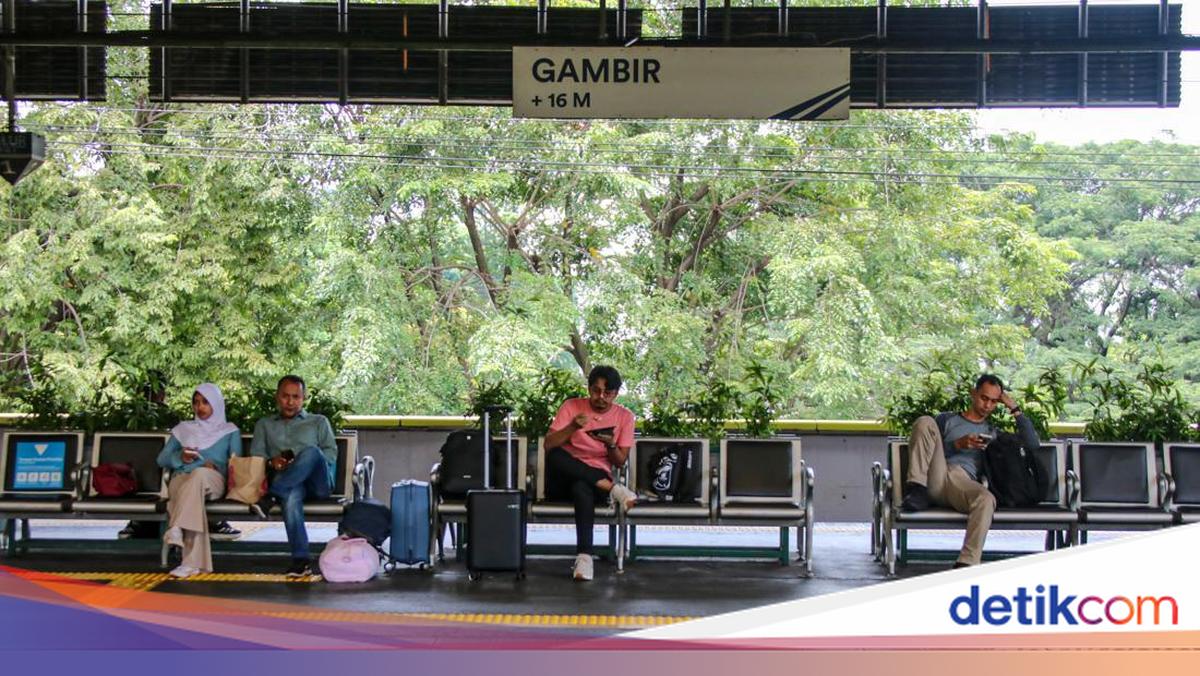
Gambir Station has become an icon of Jakarta’s railway system, boasting a long journey from the colonial era to modern times. The station’s name has recently returned to the spotlight following discourse on operating electric train (KRL) services there. This plan recalls the station’s lengthy history, as it previously served KRL before focusing solely on long-distance trains (KAJJ).
According to information shared by KAI’s official account, the origins of Gambir Station began with a simple stop named Halte Koningsplein, established in 1871. The halt was built by the Nederlandsch Indische Spoorweg Maatschappij (NISM) in an area that was then marshland, precisely around Koningsplein, now the Silang Monas area. The halt served the Batavia to Buitenzorg (Bogor) route. As passenger numbers grew, NISM constructed Weltevreden Station on 4 October 1884 at the current Gambir Station site. The new building featured a sturdier construction with an iron roof supported by cast-iron pillars.
Management of Weltevreden Station transferred to Staatsspoorwegen (SS) in 1913. A major renovation followed in 1928, giving the building an art deco architectural style with an extended roof on the north side. In 1937, the station was renamed Batavia Koningsplein Station, becoming one of the most important transport hubs in the Dutch East Indies, with nearly all long-distance trains stopping there. KAI notes that the name ‘Gambir Station’ likely became popular around 1922, as locals more commonly referred to the Koningsplein area as Lapangan Gambir. The name persisted after Indonesian independence.
A significant transformation occurred in 1988 when the government built the Jakarta Kota-Manggarai elevated railway line. The old Gambir Station building was demolished and replaced with a new structure inaugurated on 5 June 1992. The three-storey building with four railway lines adopted a Joglo-style roof, which remains its hallmark today. During the inauguration, President Soeharto and First Lady Ibu Tien Soeharto reportedly rode a KRL from Gambir Station to Jakarta Kota Station. Following its inauguration as an elevated station, Gambir continued to serve KRL journeys for several years. However, KRL services were officially halted in 2012 and diverted to Gondangdia and Juanda stations, leaving Gambir to focus as a primary station for long-distance train travel.
Discourse on reinstating KRL services at Gambir has resurfaced alongside plans for the station’s transformation. Although discussed several times in recent years, the plan remains under development and has yet to be realised. Minister of Transportation Dudy Purwagandhi stated that the government is preparing a transformation of Gambir Station to serve both long-distance trains and KRL. This initiative is part of a beautification programme aimed at strengthening railway transport connectivity. He clarified that introducing KRL services at Gambir would not diminish Manggarai Station’s role as the main railway hub; instead, the two stations would complement each other, facilitating easier intermodal passenger transfers.
Director General of Railways Allan Tandiono said that PT KAI is currently finalising the planning and design for the Gambir Station beautification programme, with the project targeted for completion within approximately two years. If realised, Gambir Station will once again serve KRL commuter lines after more than a decade of absence, with the government hoping the development will deliver more integrated transport services and enhance passenger comfort.
Source: jawawa.id (https://jawawa.id/newsitem/gambir-station-from-colonial-stop-to-planned-krl-revival-1782723204)
Originally published by detikcom (https://news.detik.com/berita/d-8552241/stasiun-gambir-dulu-dan-kini-jejak-sejarah-hingga-wacana-krl), translated from Indonesian