
Gajah Mungkur Reservoir's Irrigation Water Supply Ready to Face Prolonged Dry Season
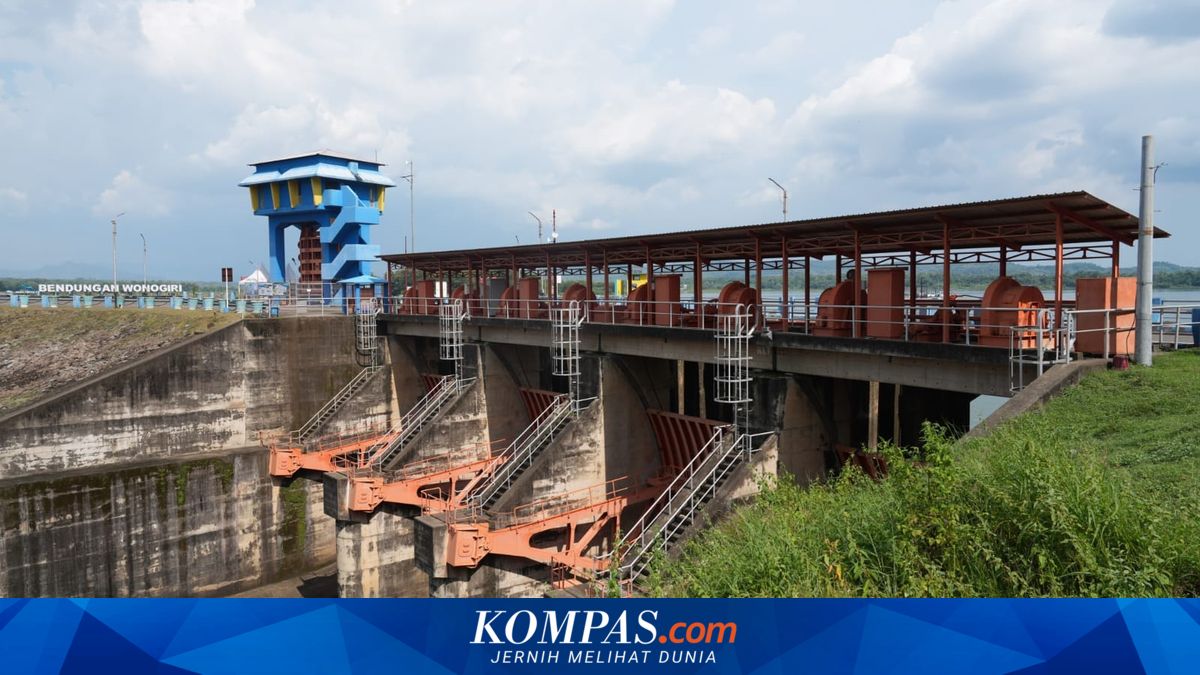
JAKARTA - The Minister of Public Works, Dody Hanggodo, has confirmed the preparedness of the irrigation water supply from the Gajah Mungkur Reservoir to anticipate the 2026 dry season, which is expected to arrive earlier and last longer.
Based on predictions from the Meteorology, Climatology, and Geophysics Agency (BMKG), this year’s dry season could extend until December 2026.
Therefore, the Ministry of Public Works is preparing various strategic measures to maintain water availability, particularly for the agricultural sector.
“This reservoir must continue to be able to supply water needs, especially for agricultural irrigation. Insha Allah, it will be safe; we are preparing various steps to ensure water needs are met until the dry season ends,” Dody stated on Tuesday (7/4/2026).
The available water volume stands at around 340 million cubic metres, with an effective storage capacity of about 260 million cubic metres.
To sustain the reservoir’s function, the Ministry of Public Works is undertaking various efforts to control sedimentation and extend the dam’s service life.
One such measure involves operating four dredger ships to reduce sediment deposits within the reservoir.
“Dredging is carried out routinely. In addition, we have installed several systems, such as closure dikes, to hold back sediment before it enters the reservoir. There are several methods we are employing to continuously extend the dam’s service life,” he said.
Currently, three units of closure dikes have been constructed to trap sediment from the Keduang River flow before it reaches the reservoir, thereby reducing the rate of silting.
Furthermore, conservation efforts are being conducted in the upstream areas through tree-planting by the Bengawan Solo River Basin Organisation (BBWS) under the Directorate General of Water Resources (Ditjen SDA) of the Ministry of Public Works, in collaboration with local communities, to improve the water catchment conditions.
“Damage to the upstream areas is one of the main causes of sedimentation. Therefore, we are encouraging communities to jointly undertake reforestation so that more water enters the reservoir compared to sediment,” Dody explained.