
Gaikindo says it is fair for electric vehicles to be subject to tax
Jakarta (ANTARA) - The Indonesian Automotive Industry Association (Gaikindo) considers the new tax scheme for electric vehicles (EVs) that no longer fully exempts them to be a fair step, although it may affect sales in the market.
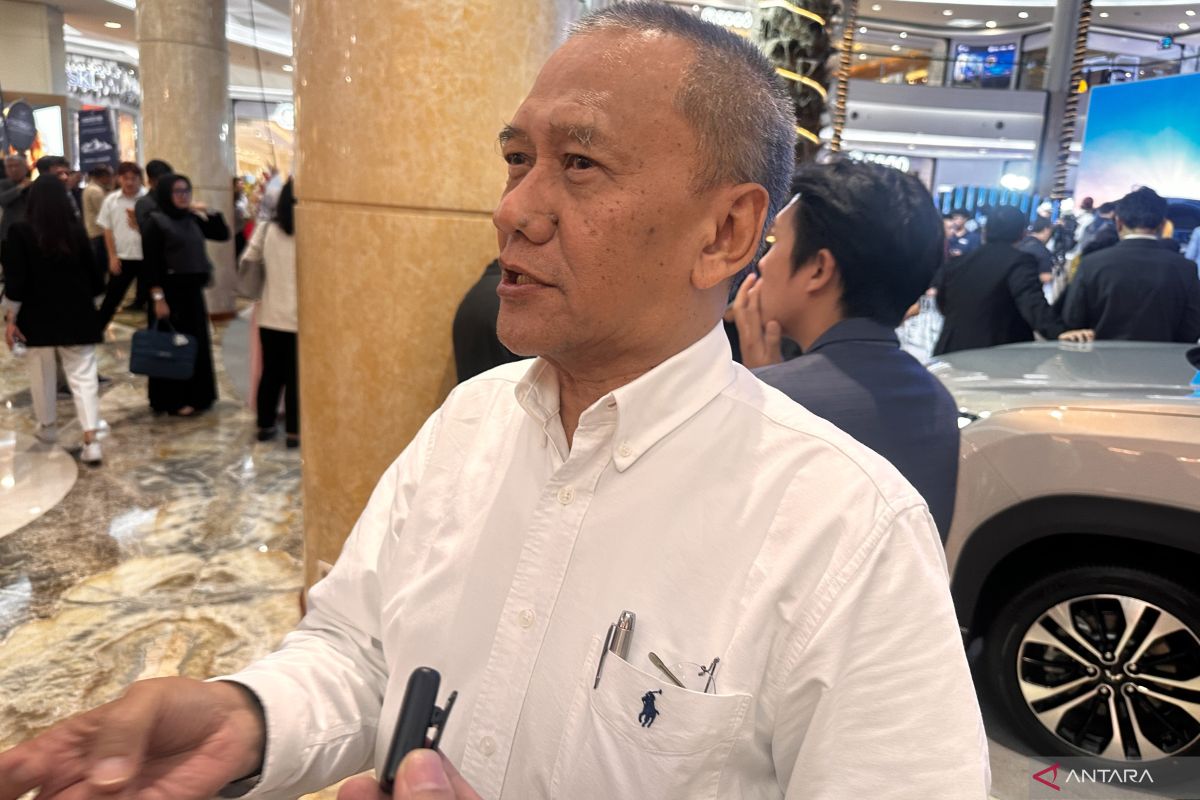
Gaikindo’s General Secretary, Kukuh Kumara, met in Jakarta on Wednesday, stating that imposing taxes on electric vehicles can be understood from the perspective of using public infrastructure.
“The tax on electric cars is not yet final, but it is fair. Meaning, everyone uses the roads, so they should pay the same taxes,” he said.
This policy aligns with the implementation of Ministry of Home Affairs Regulation No. 11 of 2026, which changes the motor vehicle tax scheme, including for electric vehicles.
Under the regulation, electric vehicles are no longer automatically excluded from motor vehicle tax (PKB) and motor vehicle ownership transfer fee (BBNKB).
Nevertheless, the central government still provides room for local governments (pemda) to determine the amount of incentives, either in the form of exemptions or tax reductions. This makes the electric vehicle tax policy potentially different in each region.
“There will definitely be an impact. That’s a business issue,” he said in response to the potential influence on electric vehicle sales.
According to him, the dynamics of policies at the regional level are something that industry players already understand.
Gaikindo stated that communication between the industry and local governments has been ongoing, particularly in seeking a balance between regional revenue needs and people’s purchasing power.
“The main point is they also want revenue (income), but they also want the taxes to be affordable,” said Kukuh.
The government is changing the motor vehicle tax imposition scheme, including for electric vehicles, through Ministry of Home Affairs Regulation (Permendagri) No. 11 of 2026, meaning electric vehicles are now no longer excluded from motor vehicle tax (PKB) and motor vehicle ownership transfer fee (BBNKB).
In other words, electric cars are still subject to tax by regulation, but the amount of tax paid is not always full and can even be zero rupiah, depending on regional policies.
The imposition of taxes is not absolute. The central government still opens room for incentives in the form of exemptions or reductions, as regulated in Article 19.
The amount of such incentives is left to each local government. Therefore, the future electric vehicle tax policy will no longer be uniform and can differ between regions.
Several regions are now beginning to respond to the regulation, including DKI Jakarta, which is currently preparing policies related to electric vehicle incentives.
Source: jawawa.id (https://jawawa.id/newsitem/gaikindo-says-it-is-fair-for-electric-vehicles-to-be-subject-to-tax-1776865850)
Originally published by Antara (Indonesian) (https://otomotif.antaranews.com/berita/5538161/gaikindo-sebut-adil-jika-mobil-listrik-dikenakan-pajak), translated from Indonesian