
Gaikindo: Orders for Pickup Trucks from India Need to Be Reconsidered
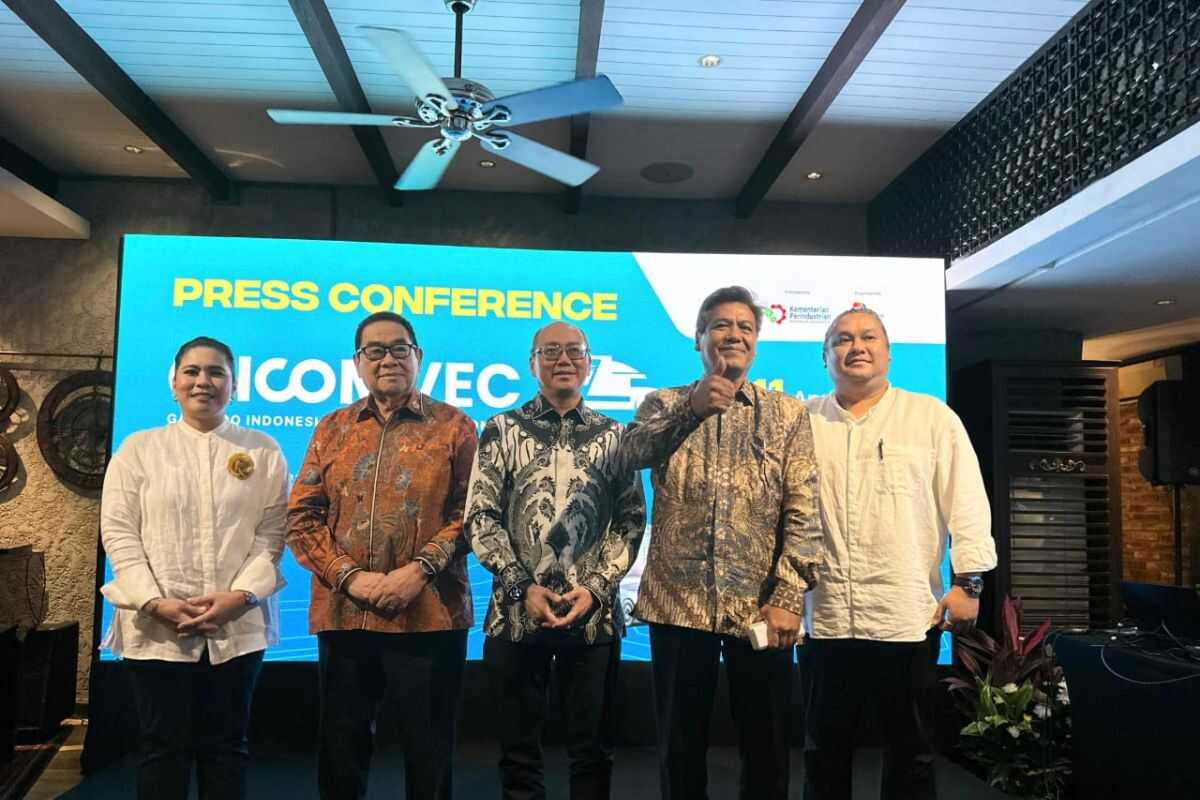
Jakarta (ANTARA) - The Association of Indonesian Automotive Industries (Gaikindo) has called for the postponement of orders for hundreds of thousands of imported vehicles from India intended for the Merah Putih Village/Sub-district Cooperative (KDKMP/Koperasi Merah Putih) programme, in order to support the advancement of the domestic automotive industry.
Gaikindo Chairman Putu Juli Ardika said that utilising domestically produced vehicles would have a significant impact on the growth of the industry amid increasingly challenging pressures year on year.
“At the very least, we strongly hope that together we can advance this automotive industry, because the knock-on effects are extremely wide-reaching,” said Putu Juli Ardika in Jakarta on Monday.
According to him, the domestic automotive industry has the capacity to meet the government’s requirements for commercial vehicles needed as fleet vehicles for the Merah Putih Cooperative.
“We still have capacity that can be utilised. Our capacity stands at 2.59 million units and our production is currently only 1.3 million. If this is supported, it would certainly have an extraordinary positive impact on our industry. Because if this industry grows, we can maintain employment,” he said.
Government confidence in domestic commercial vehicle procurement is also seen as an opportunity for the automotive industry in the commercial sector to develop much further.
Not only would employment opportunities expand significantly, but investment in the automotive sector, particularly in the commercial vehicle industry, would also continue to grow.
“So there are a great many benefits that we can obtain. Therefore, we continue to pray, especially during this month of Ramadan,” he said.
Previously, Minister of Industry Agus Gumiwang Kartasasmita stated that absorption in the automotive sector in the pickup truck segment could deliver a considerably positive impact on the national economy.
As an example, if the requirement for 70,000 pickup truck fleet vehicles were produced domestically, it would generate a positive economic impact through backward linkages of approximately Rp27 trillion.
This fulfilment would extend well beyond the vehicles themselves, encompassing numerous closely related industries linked to each pickup truck produced, including the tyre industry, glass industry, wet battery (accumulator) industry, metals industry, leather industry, plastics industry, cable industry, electronics industry, and many others.
He continued that the standards and quality of pickup trucks (4x2) produced domestically are on par with those manufactured overseas.
Local products, according to Agus, are already capable of meeting operational requirements across various regions of Indonesia with its highly diverse road infrastructure conditions.