
Gagas Energi highlights benefits of CNG as an environmentally friendly energy solution
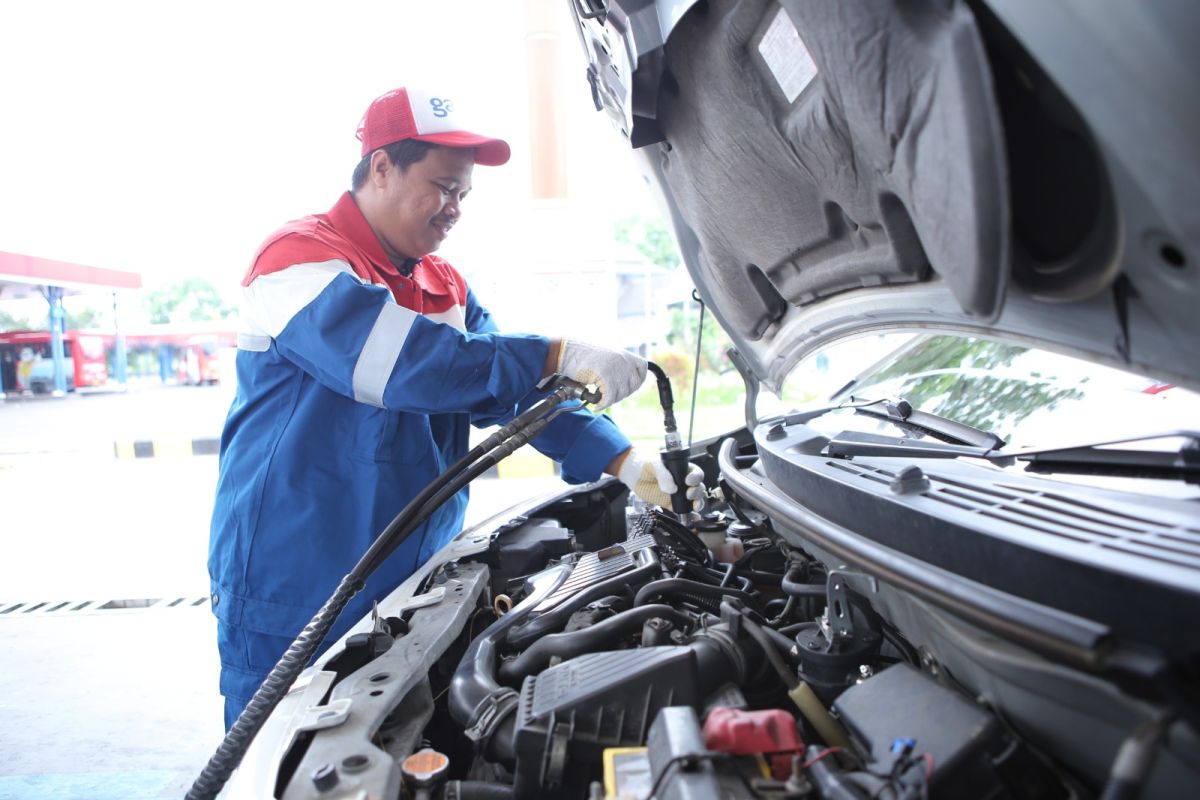
Jakarta (ANTARA) - PT Gagas Energi Indonesia, a subsidiary of PT Perusahaan Gas Negara (PGN), has revealed the benefits of natural gas fuel (BBG) as an alternative energy solution that is efficient, environmentally friendly, and sustainable for the national transportation sector.
Gagas Operations and Commercial Director Maisalina stated in Jakarta on Wednesday that the use of BBG is part of a strategy to maintain energy security while promoting cleaner energy use amid rising vehicle fuel needs.
From a safety perspective, she said that gas-fuelled vehicles are equipped with special high-standard tanks with a capacity of up to 15 litres of gas per tank. The system is designed so that gas dissipates quickly in the air in the event of a leak, thereby minimising explosion risks.
“The public need not worry about safety aspects, as the installation of every converter kit and BBG tank follows international safety standards and is carried out by competent experts,” she explained.
Technically, BBG is considered capable of becoming a new standard that supports optimal vehicle engine performance compared to petroleum-based fuels (BBM).
She noted that BBG has several advantages, one of which is a high octane value (Research Octane Number/RON) ranging from 120 to 130. This characteristic allows engines to operate at higher compression ratios, significantly improving thermal efficiency.
Additionally, as a methane-based fuel (CH4), BBG produces more complete combustion and carbon emissions about 20 per cent lower than BBM.
The use of BBG also leaves no residue on engine components, thereby extending engine life and reducing vehicle maintenance costs, she explained.
From an operational standpoint, BBG consumption varies depending on the vehicle type. For private vehicles, it averages 10 litres equivalent to Pertalite (LSP) per day, taxis around 20 LSP per day, and public transport such as bajaj and angkot ranging from 15–20 LSP per day.
Meanwhile, large vehicles like trucks and buses require about 125–165 LSP per day, with a range of up to 10 kilometres per LSP.
“BBG prices are also stable at Rp4,500 per LSP, very affordable as the gas source comes from domestic supplies. With the many benefits that can be felt, we hope interest in BBG will increase,” she said.
In its implementation, BBG can be used in dedicated gas-based vehicles or dual-fuel systems through the installation of a converter kit, which allows vehicles to alternate between BBG and BBM.
That system, according to her, also provides flexibility while extending the vehicle’s range.
To strengthen the BBG ecosystem, the state-owned company is also partnering with the Mobil Gas Community (Komogas), said Maisalina.
The collaboration includes developing infrastructure and educating the public, including the launch of mobile BBG workshops to enhance access to services.