
G7 Summit: Hopes for Peace and New Sanctions for Russia
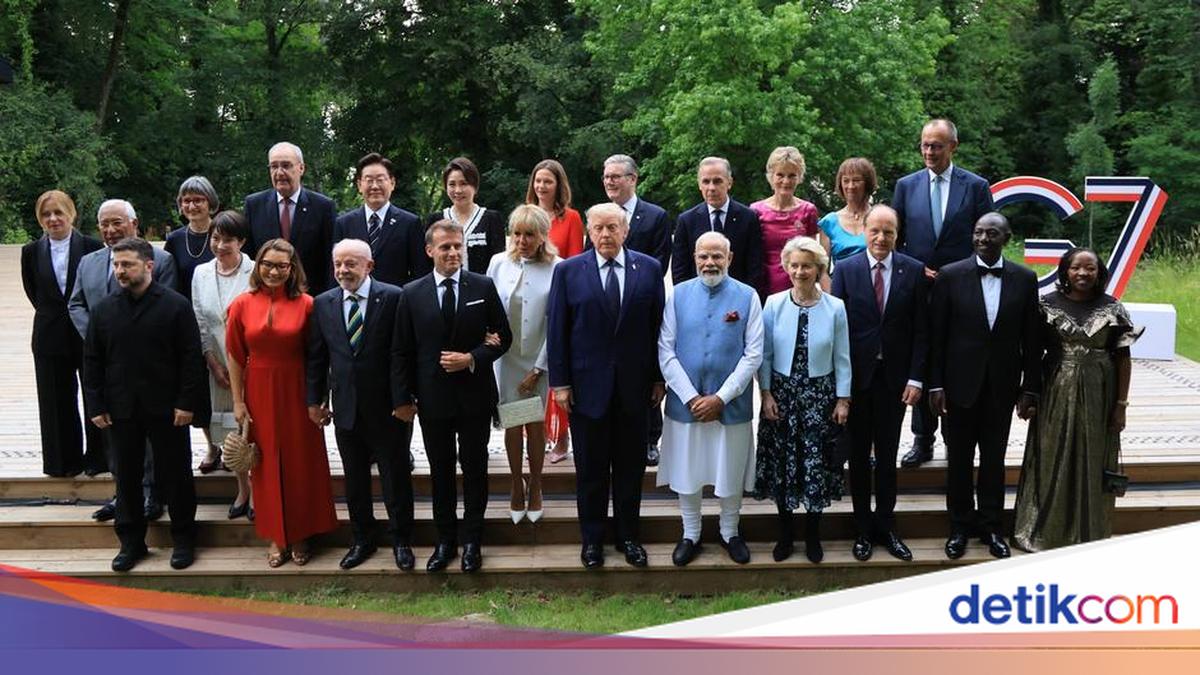
In an official statement released Wednesday morning, the leaders of the Group of Seven (G7) vowed to increase pressure on the Russian economy. “To support and accelerate this new momentum, we agree to increase the delivery of air defence capabilities, additional systems and interceptors, as well as long-range capabilities,” the statement read. The leaders also committed to amplifying “pressure on Russia’s war economy.” In this context, they will tighten sanctions against Russia, including in the oil and gas sectors. “We assess this as the right moment to take additional steps, after US President Donald Trump reached a deal that we support to reopen the Strait of Hormuz,” the statement continued. This optimistic tone was already evident on Tuesday, as G7 leaders began their first official agenda by making the Ukraine issue a top priority. French President Emmanuel Macron, host of this year’s summit, underscored the issue’s importance by inviting Ukrainian President Volodymyr Zelenskyy as a special guest. In recent months, the Trump administration has focused more on the Iran conflict. Previously, support for Ukraine was largely delegated to Europe, with the European Union deemed capable of taking on that role. The EU is now the largest financial contributor to Ukraine. On Tuesday, Trump indicated that sanctions on Russia, which had been eased during the Iran conflict to suppress oil prices, could be reinstated as oil distribution through the Strait of Hormuz returns to normal. He also asserted that Russia must make a deal to end the war in Ukraine and said he would do whatever he could to facilitate that. This statement was welcomed by European leaders who had been preparing support strategies for Ukraine. However, two key questions remain unanswered, according to DW’s Brussels Bureau Chief Katharina Kroll. Firstly, to what extent will Trump support efforts to increase pressure on Russia to engage in serious peace negotiations? Secondly, how far will Trump acknowledge that no peace deal is possible without the involvement of European nations? Trump also told reporters that the war in Ukraine “has nothing to do with us,” adding, “It doesn’t affect us, other than we sell weapons to Ukraine. We are thousands of miles away.” He further noted that the Iran conflict would soon be resolved, though it remains the current focus. Meanwhile, European leaders maintained their optimism, seeing new momentum in the Ukraine conflict. European Commission President Ursula von der Leyen said the tide is turning for Ukraine, noting that the situation in 2026 is completely reversed from 2025, with Ukraine holding the front line bravely while Russia shows signs of exhaustion. A source within the German government told DW that the G7 believes Russia is under significant pressure while Ukraine’s position is improving. A key factor is Ukraine’s drone warfare capability, including long-range strikes like the one targeting a military facility in St. Petersburg earlier this month, which is helping to turn the situation on the battlefield. German Chancellor Friedrich Merz described Trump as being in a cooperative mood and expressed optimism that Europe and the United States will make every effort to end the war. He also stated that Trump has no objection to the involvement of European countries in future peace negotiations. Meanwhile, Russia continues its attacks, with hundreds of drones and dozens of missiles striking major Ukrainian cities. The latest attack on Monday damaged one of the country’s important religious and cultural sites.