
G7 Launches Critical Minerals Alliance to Reduce Reliance on China
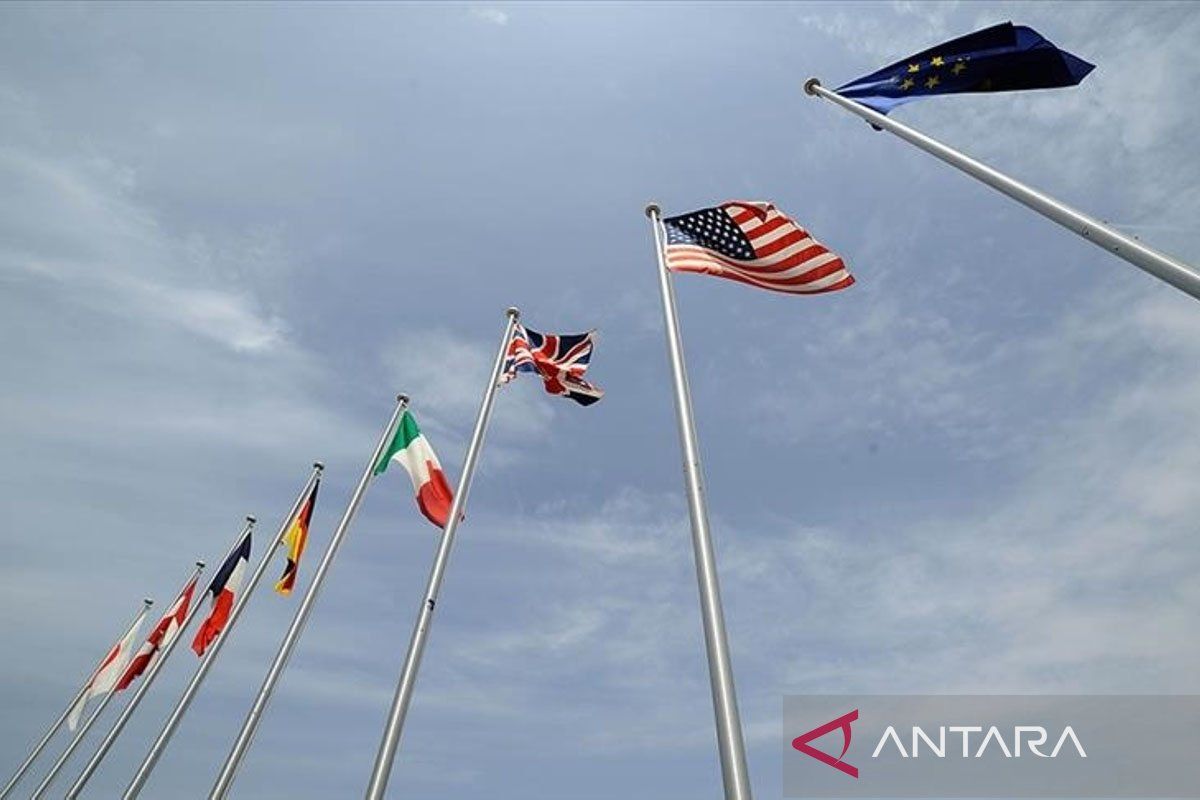
G7 leaders have launched an ambitious plan to reduce their dependence on dominant single suppliers, such as China, in the provision of critical minerals essential for the global digital and green energy sectors.
In a joint declaration supported by Australia as a partner nation, the group expressed serious concerns regarding the use of non-market policies, practices, and economic coercion. They warned that arbitrary export restrictions and retaliatory actions have actively undermined international economic security. To address these vulnerabilities, the G7 has launched the Critical Minerals Resilience and Production Alliance.
The alliance targets reducing dependence on single suppliers outside the bloc for rare earth elements and permanent magnets to less than 60 per cent by 2030, with an ultimate ambition of reaching 50 per cent as soon as possible. Ministers have also been tasked with setting specific reduction targets for other essential minerals before the end of this year.
This strategy marks a significant shift towards securing supply chains among trusted allied nations. Furthermore, the G7 bloc welcomed significant investment developments, highlighting 195 projects announced since the beginning of 2026, which have mobilised investments of 64 billion Euro (approximately Rp1,319 trillion).
To protect these industries from market volatility, the G7 is exploring various economic safety nets, including price difference subsidies, joint procurement instruments, and minimum pricing. Additionally, leaders are committed to building a new traceability framework to combat illegal trade and ensure high environmental and labour standards.
The initiative will commence with two pilot minerals, lithium and nickel, before expanding to five new minerals annually.
The global critical minerals market is currently sharply divided between raw material-producing nations and China, which continues to dominate the refining process. China controls over 90 per cent of the world’s rare earth element refining, 80 per cent of battery-grade graphite, and much of the global lithium and cobalt processing.
While resource-rich nations such as Australia (lithium), Chile (copper), Indonesia (nickel), and Congo (cobalt) lead in mining activities, they remain heavily dependent on Chinese infrastructure to process raw materials into ready-to-use components. This situation necessitates that Western nations play catch-up. The United States and Canada possess significant mining potential but lack adequate domestic refining capacity, while the European Union remains highly dependent on imports due to strict environmental regulations and high operational costs.
Source: jawawa.id (https://jawawa.id/newsitem/g7-launches-critical-minerals-alliance-to-reduce-reliance-on-china-1781715064)
Originally published by Antara (Indonesian) (https://www.antaranews.com/berita/5612063/g7-luncurkan-aliansi-mineral-kritis-kurangi-ketergantungan-ke-china), translated from Indonesian