
G20 Shares Concerns over Global Inflation Driven by Middle East Crisis
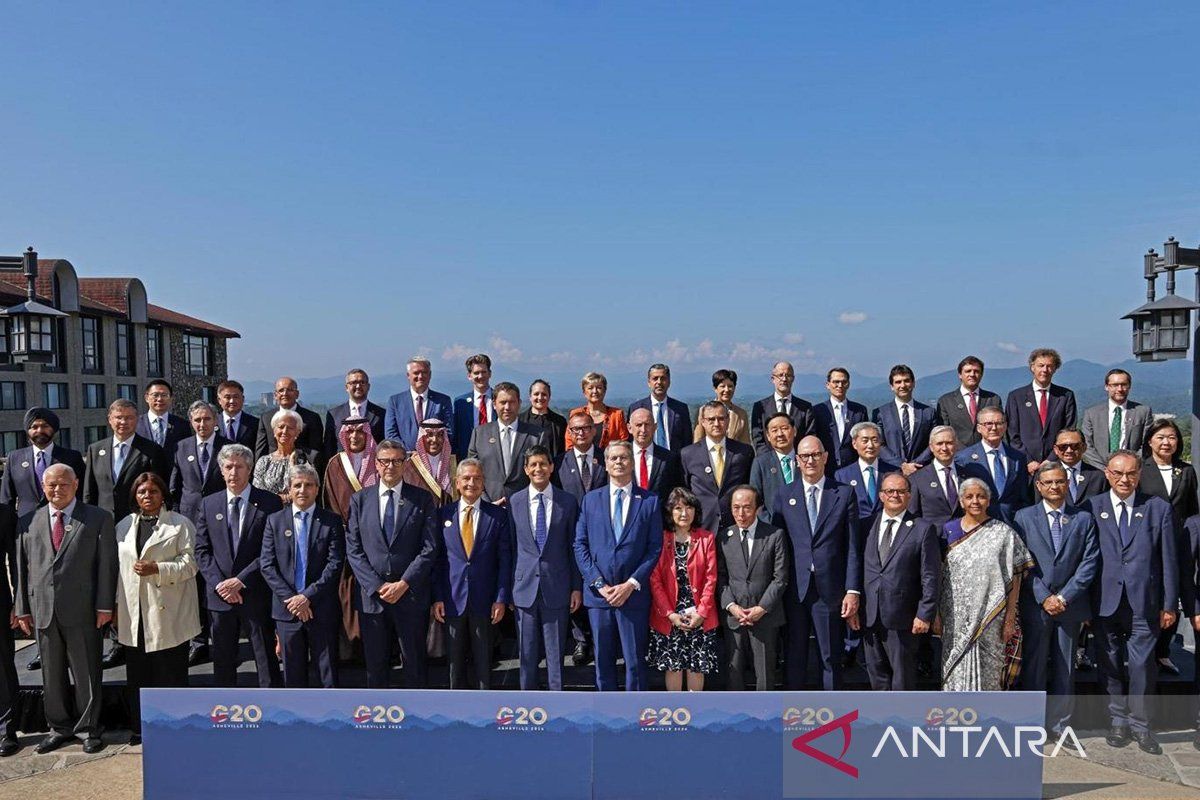
Bangkok (ANTARA) – G20 finance ministers and central bank governors on Thursday (15 October) expressed concern about mounting global inflationary pressures, as prolonged turmoil in the Middle East drove energy prices higher.
At a meeting in Bangkok, they discussed central banks’ efforts to curb inflation through interest-rate rises and reaffirmed the importance of stability in currency markets.
“Japan needs to monitor foreign exchange markets closely,” Japanese Finance Minister Satsuki Katayama told reporters after attending the G20 meeting.
Japan was represented at the meeting by Katayama and Bank of Japan Governor Kazuo Ueda. US Treasury Secretary Scott Bessent, whose country holds the G20 presidency, did not attend.
The G20 issued no joint statement, reflecting the difficulty of reaching consensus among its members amid deepening trade and geopolitical tensions. The group includes major advanced and emerging economies such as the US, China, Japan and Russia.
At the previous meeting, held on 31 August and 1 September in Asheville, North Carolina, participants failed to agree on a joint statement after China objected to wording on trade and other issues.
In its World Economic Outlook released on Tuesday, the International Monetary Fund (IMF) said the global economy was forecast to grow by 3.1 per cent in 2026, up 0.1 percentage points from its July forecast. The IMF also warned that inflation could weigh on economic activity.
Rising prices have pushed up long-term interest rates in many countries, adding to the burden on public finances.
“Now is the time to increase revenue to rationalise spending and improve public financial management,” IMF Managing Director Kristalina Georgieva said at a press conference on Wednesday.
G7 finance ministers and central bank governors also met on Thursday to discuss rising interest rates in major economies, global trade imbalances and responses to the rapid development of artificial intelligence.
Katayama said upward pressure on interest rates would not ease unless countries set clear fiscal sustainability targets, created fiscal space and invested in sectors that drive growth.
The G7 also discussed China’s excess production of steel and other goods, as well as large-scale exports of low-priced products that have harmed producers in other countries.
Source: jawawa.id (https://jawawa.id/newsitem/g20-shares-concerns-over-global-inflation-driven-by-middle-east-crisis-1792158809)
Originally published by Antara (Indonesian) (https://www.antaranews.com/berita/5791929/g20-berbagi-kekhawatiran-terkait-inflasi-global-akibat-krisis-timteng), translated from Indonesian