
Future Leaders Must Be Able to Lead Transformation, Says Deputy Home Affairs Minister
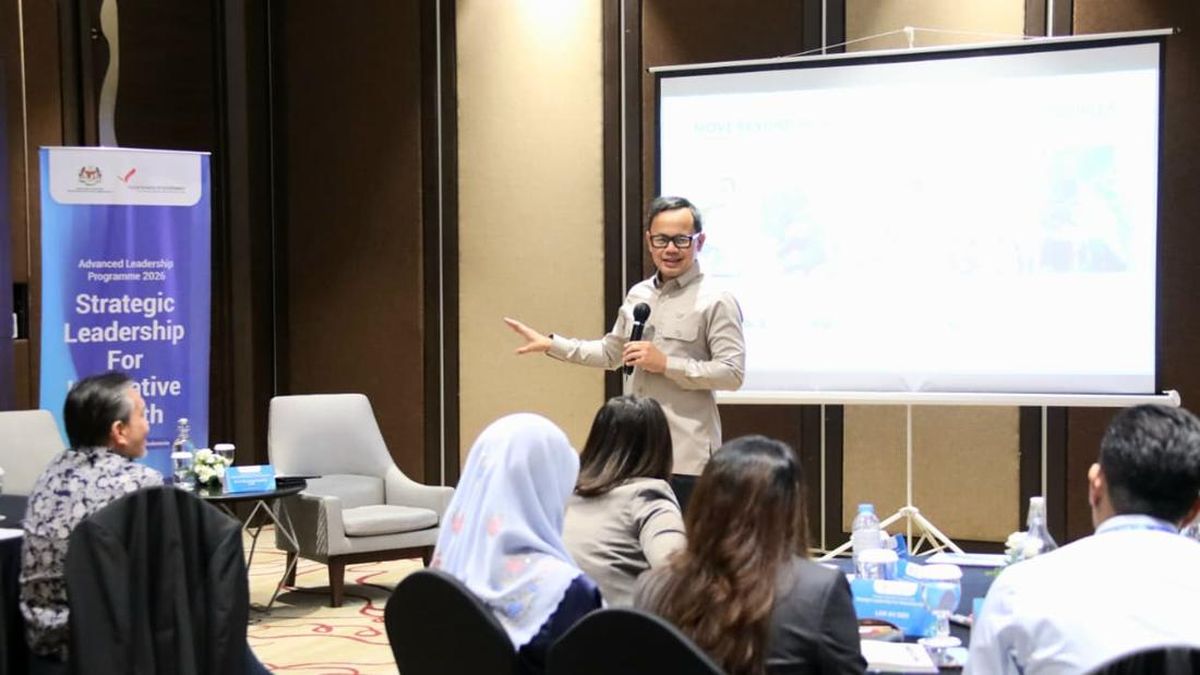
The ability to read change and lead transformation has been described as the key to producing leaders capable of meeting the challenges of the times. Rapid global changes demand that every leader be able to adapt, anticipate, and direct change.
This was emphasised by Deputy Home Affairs Minister (Wamendagri) Bima Arya Sugiarto while speaking at the Advanced Leadership Programme (ALDP) 2026, themed ‘Strategic Leadership for Innovative Growth’, in Bandung, West Java, on Tuesday (21/7).
“Many leaders reach the peak of their careers not merely by following change, but by being able to lead change. The key is being able to read the signs of the times and see the direction of the future. Those who can lead change will be the winners,” Bima said.
The acceleration of global change is marked by shifts in the world’s geopolitical constellation, the emergence of new powers, and the rapid development of technology, particularly artificial intelligence (AI). This situation demands the emergence of leaders who are adaptive, far-sighted, and capable of making the right decisions amidst ever-changing dynamics.
Bima stated that Indonesia faces similar challenges, especially in capitalising on its demographic bonus, which is expected to end around 2040. To this end, the central and regional governments are maximising the momentum by improving the quality of education, health, and human resources so that Indonesia can escape the middle-income country trap and realise its vision of becoming a developed nation.
According to Bima, rapid change must be met with a culture of innovation within the bureaucracy. Innovation should not merely be an administrative routine or a pursuit of awards, but must address the needs of the people.
“Innovation should be based on the needs of the people. Innovation must not be born solely from government ideas, but must stem from the needs of the people. Therefore, leaders must frequently go into the field and listen to the aspirations of citizens, so that the resulting solutions truly address public issues,” he asserted.
He explained that innovation driven by public needs will improve the quality of public services while strengthening public trust in the government. In this regard, the State Civil Apparatus (ASN) is required to build a learning culture, enhance collaboration skills, and translate ideas into policies and programmes whose benefits can be directly felt by the community.
Furthermore, Bima stressed the importance of maintaining policy sustainability and preparing for leadership regeneration. He reminded that good leaders must not only produce change but also ensure that proven beneficial programmes are continued and refined by their successors.
ALDP 2026 is an advanced leadership programme attended by participants from representatives of the Malaysian Prime Minister’s Department, various ministries, and regional governments. Also present was Encik Azham, Director of the Razak School of Government, National Institute of Public Administration (INTAN) Malaysia.