
Funding Cuts Paralyse Women's Organisations Amid Soaring Humanitarian Needs
Olin Monteiro, founder of the women’s creative arts association Artsforwomen, recounted her struggle with state funding. ‘Last year, the women artists’ collective I founded qualified for Indonesian government funds. But the administrative process was insanely difficult and complicated for making a documentary video,’ she complained. ‘The disbursement was in three stages, and we have only just received the first, even though it is funding from 2025.’ She added that applying to international donors now involves enormous competition. For the past seven years, she has tried to self-fund community activities through selling books, teaching, and organising events like garage sales of preloved goods.
Funding cuts for women are paralysing organisations working amid humanitarian crises. As a result, at least one million women and girls worldwide are losing access to essential services. A recent UN Women report titled ‘Beyond the Breaking Point’, released late last week, found that 84 per cent of women’s organisations reported increased demand for their services since January 2025. However, nearly nine out of ten organisations are now unable to meet the existing level of need due to the sharpest annual decline in official development assistance in history.
‘Women’s organisations now at risk of closure are on the front lines of the world’s most severe humanitarian crises. In countries like Afghanistan, the Democratic Republic of Congo, and Haiti, they work in areas international actors cannot reach and remain long after global attention has shifted elsewhere. Every dollar withdrawn from women’s organisations is a dollar lost for survivors of conflict-related sexual violence, displaced mothers, girls forced out of school, and communities struggling to survive,’ said UN Women’s Head of Humanitarian Action, Sofia Calltorp, in a press statement.
The collapse of women’s organisations comes as humanitarian needs reach unprecedented levels, UN Women stressed. Globally, around 120 million women and girls require aid and protection. While 84 per cent of surveyed organisations reported rising demand, nearly nine in ten stated they can no longer meet the needs. Two in five organisations expect to suspend operations—either temporarily or permanently—within the next year. Some 65 per cent of women-led organisations reported that their staff continue working without pay to ensure services remain available. Amid the struggle for survival, 48 per cent of organisations reported rising staff burnout, while 88 per cent said the mental health of the women and girls they serve continues to deteriorate. Furthermore, 92 per cent of organisations reported rising poverty levels among the women they serve, and 82 per cent witnessed more girls dropping out of school. Cases of conflict-related sexual violence doubled throughout 2025, just as protection systems for survivors began to collapse. Some 86 per cent of women’s organisations reported increased gender-based violence in their communities, and 62 per cent stated that safe spaces for women and girls are no longer available or have significantly reduced capacity.
The dissolution of women’s organisations is occurring amid a growing global backlash against the protection of women’s and girls’ rights. One in five organisations has halted activities aimed at strengthening women’s leadership and promoting gender equality. More than half have also witnessed a decline in women’s participation in community leadership and local decision-making processes. UN Women is calling for sustained investment in women’s organisations as the front line of humanitarian response, defenders of women’s rights, and the foundation for peace and recovery. ‘Without immediate action, the organisations that have been helping to save the lives of women and girls in the world’s worst crises risk becoming the next casualties of war,’ Calltorp explained.
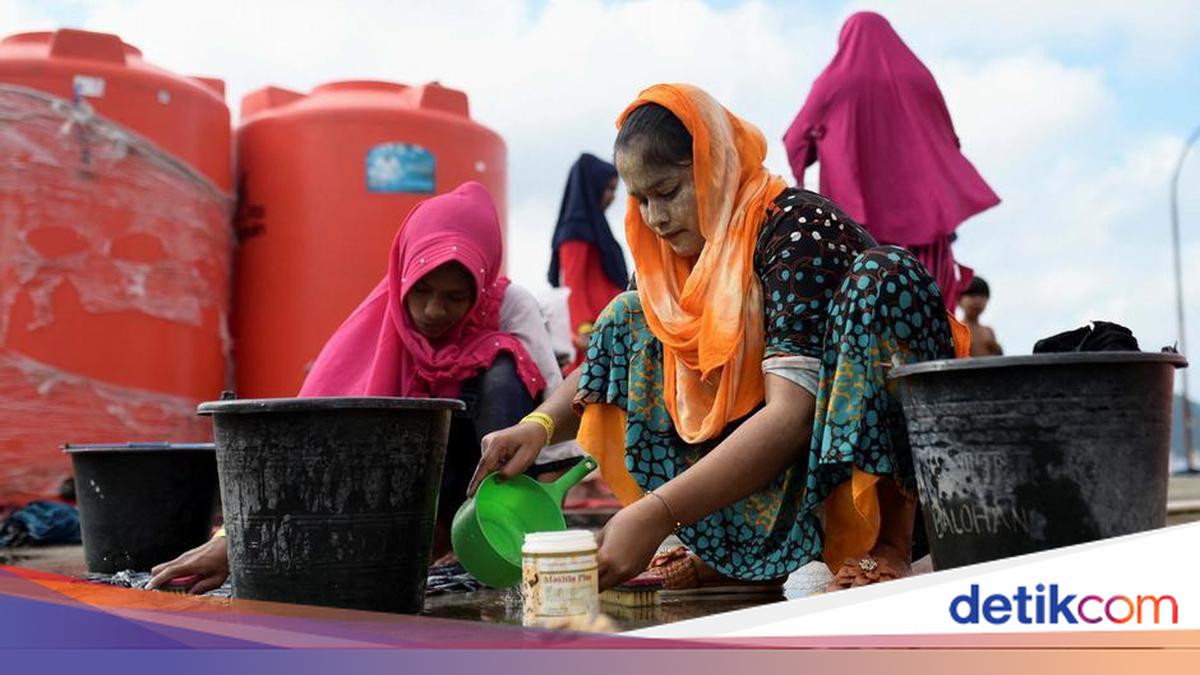
In Indonesia, funding cuts for women’s organisations are also being felt, even though the humanitarian crisis is not as severe as in Africa and war zones. ‘The problem is not just the cuts, but also that access is not open to all NGOs,’ said Olin Monteiro, who has also heard complaints from fellow women activists. Misiyah from the organisation Kapal Perempuan noted the tangible impact. ‘Many civil society organisations, including women’s organisations in Indonesia, are facing a more difficult situation since the massive cuts in foreign aid, especially after most USAID programmes were halted in 2025. Not all organisations depend on USAID, but for those that have been running programmes with international donor support, the funding halt means some programmes must be stopped.’ She stressed that for organisations like Kapal Perempuan and many other women’s NGOs, the challenge is not only about organisational sustainability but also about ensuring that grassroots assistance for women continues. ‘The needs on the ground are not decreasing; they are actually increasing, while resources are becoming more limited.’ Misiyah concluded that this situation serves as a reminder that the women’s movement in Indonesia must strengthen its independence and local resource base.