
Full leaks revealed for Redmi K100, set to debut in September 2026
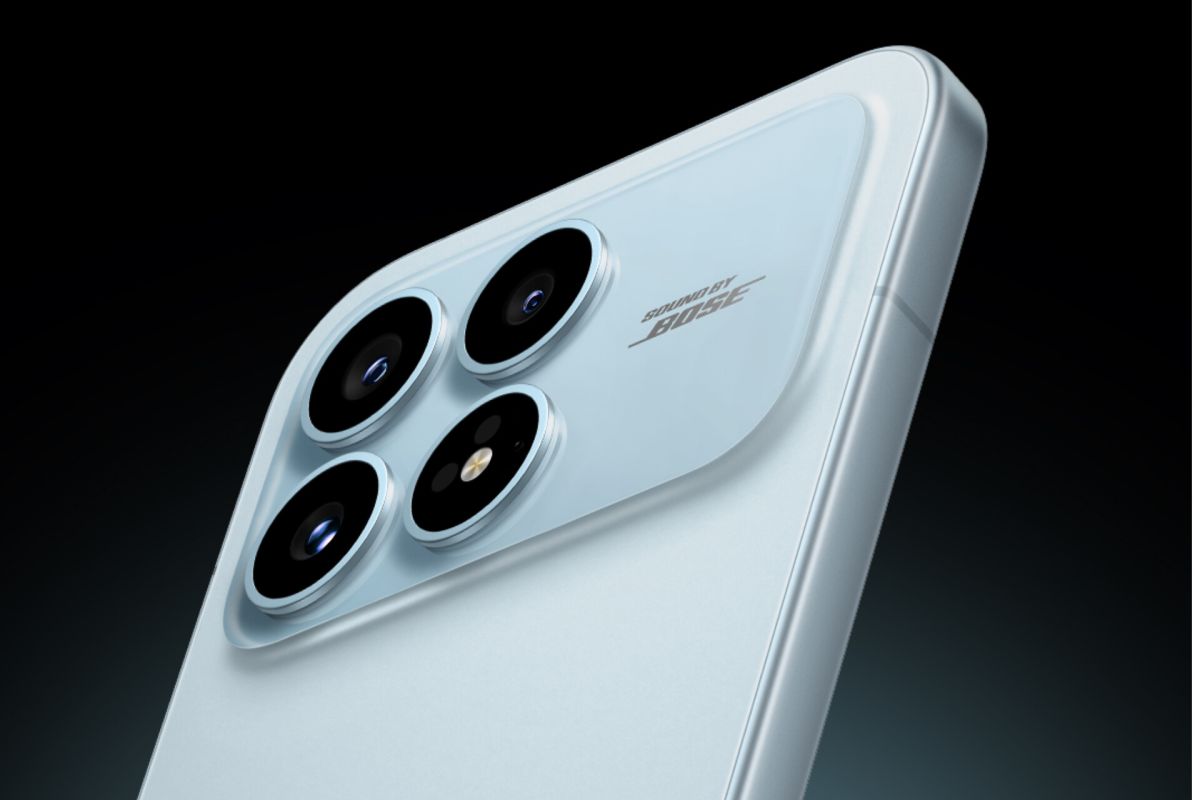
Xiaomi is believed to be preparing to release the Redmi K100 as a flagship device from its Redmi sub-brand around September 2026. The smartphone has become a major topic of discussion in mainstream media, with recent reports providing more detailed leaks regarding its specifications.
According to reports from Gizmochina, the latest leaks originate from the technology leaker Digital Chat Station (DCS). The leaks suggest that the Redmi K100 will feature a flat display with an ultra-high 185Hz refresh rate. Consistent with previous rumours, the device is expected to be powered by Qualcomm’s Snapdragon 8 Elite Gen 5 chipset.
Regarding battery life, DCS claims the capacity starts with the number ‘8’, hinting at a potential 8,000mAh battery. The phone is also reported to support 50W wireless charging, which would be a first for a standard model in the Redmi K series, while wired charging will remain at 100W.
While DCS did not disclose specific camera leaks for the standard Redmi K100, the Redmi K100 Pro is believed to be equipped with a large 200MP main sensor alongside a telephoto lens with macro photography capabilities. The device is also expected to feature a glass back panel and a metal frame.
Other rumoured features include symmetrical dual speakers, a 3D ultrasonic fingerprint sensor, and IP68 and IP69 ratings for dust and water resistance. Although the latest leaks do not mention a specific price, previous reports indicate that this device will be significantly more expensive than the Redmi K90. It is estimated that Xiaomi will price the device starting from approximately 4,000 yuan (around Rp10 million) or roughly $585, compared to the Redmi K90 which launched at 2,599 yuan (around Rp6.9 million).
The Redmi K100 is expected to debut in China as early as September or October 2026, with a global version likely to follow later under a different name.