
Fuel Surcharge Cut to 30%, Will Flight Ticket Prices Fall?
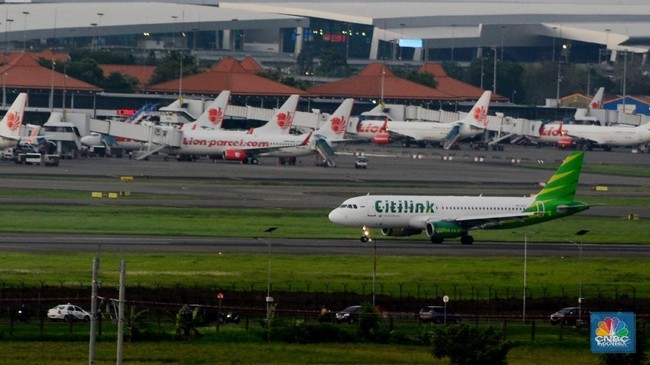
The government, through the Ministry of Transportation, has reduced the maximum fuel surcharge for domestic flight tickets from 50% to 30% of the Upper Tariff Limit (TBA). The policy, effective 1 August 2026, was adopted because the national price of jet fuel has fallen.
Based on the published jet fuel price set by aviation fuel providers as of 1 August 2026, the average national jet fuel price was recorded at Rp21,892 per litre. This price is down compared to the May 2026 period, which reached Rp29,116 per litre.
“The evaluation refers to the average national jet fuel price and the price range stipulated in the regulations,” said Director General of Civil Aviation at the Ministry of Transportation, Lukman F. Laisa.
Lukman explained that the Ministry of Transportation will continue to supervise the implementation of flight tariffs, including the fuel surcharge component, to ensure they are carried out transparently, accountably, and in accordance with statutory regulations. Supervision is conducted through monitoring the tariffs applied by airlines, developments in jet fuel prices, and airline compliance in listing the fuel surcharge component separately on passenger tickets.
“The Ministry of Transportation monitors and supervises the implementation of tariffs issued by all air transport business entities to ensure they apply competitive tariffs by considering market conditions and people’s purchasing power,” he stated.
Lukman also explained that airlines still have the flexibility to set tariffs below the maximum limit set by the government according to their respective business strategies. Simply put, the amount of the ticket price still depends on the tariff structure applied by each airline. The components forming flight ticket prices include the base fare, Value Added Tax (PPN), Passenger Service Charge (PJP2U), other service fees, and the fuel surcharge.
“The Ministry of Transportation continues to monitor jet fuel price developments and conduct periodic evaluations to ensure that flight tariff policies continue to support national connectivity, the sustainability of the aviation industry, and provide benefits to the public as users of air transportation services,” he clarified.