
Fuel Prices Surge in Germany, Sparking Public Outrage
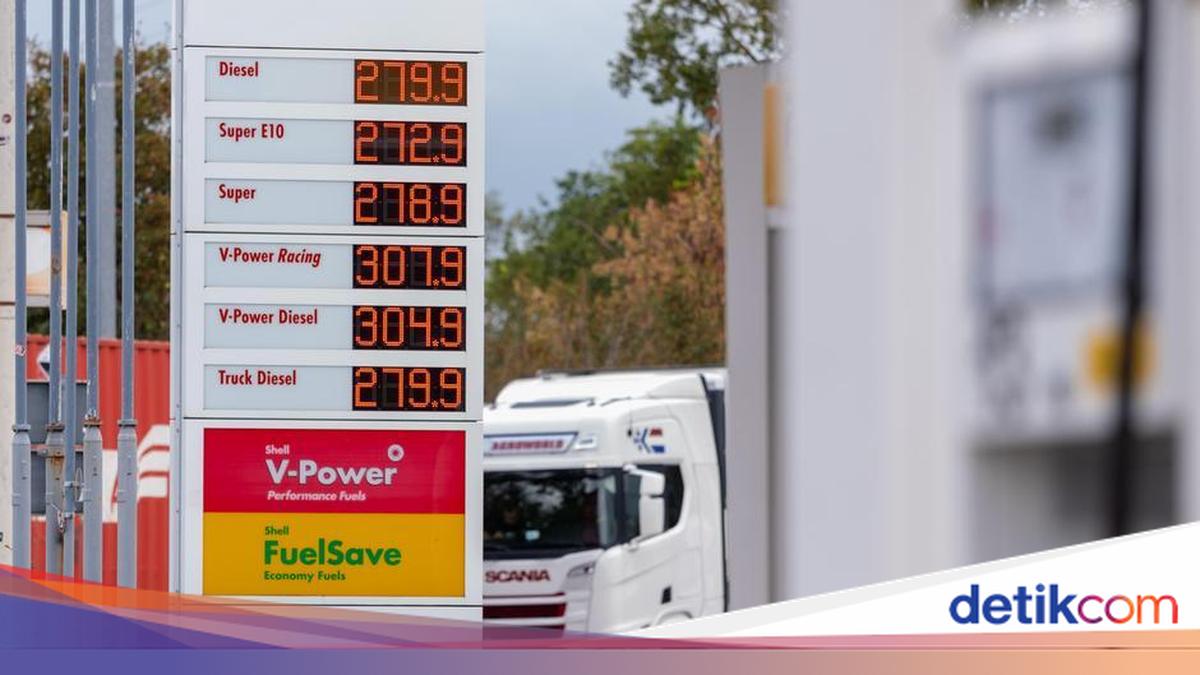
Fuel prices in Germany have surged, triggering anger among drivers. In Berlin, E10 petrol prices on the morning of 15 September were around €2.25 (approximately Rp46,000) per litre, while diesel prices reached about €2.37 (approximately Rp48,500) per litre. By 12:00, prices had risen by approximately €0.20 per litre.
The highest prices were recorded at a petrol station on a motorway in southern Berlin, where Super Plus petrol reached €3.03 per litre. Petrol stations in Germany are only permitted to raise fuel prices once a day, at 12:00, making these increases increasingly burdensome for motorists.
In major cities, residents still have the option of using public transport. However, those in rural areas have almost no alternative to using cars. An advantage is being felt by those living near national borders, who can purchase fuel in neighbouring countries. On 7 September, filling a 60-litre tank with E10 petrol was approximately €31 cheaper in the Czech Republic and Poland compared to Germany. In Luxembourg, the difference was €28, and in Austria, it was €25, according to the Federal Statistical Office of Germany.
Germany has nine neighbouring countries. Petrol is significantly cheaper in seven of them, while diesel is cheaper in six. Only the Netherlands and Denmark have higher fuel prices than Germany.
The German government has admitted to being ‘very concerned and increasingly worried’. The government has promised to take steps to alleviate the pressure caused by high fuel prices. Chancellor Friedrich Merz (CDU) stated that many drivers have reached the limit of their patience. “Many people who need a car every day have reached the limit of their patience,” Merz said on Tuesday at an event organised by the German Foreign Trade Association (BGA) in Berlin. “I believe we must act.”
However, Merz noted that the government has not yet determined the “concrete measures” to be taken. “Therefore, we continue to engage in close dialogue within the federal government and with state governments,” he said. According to Merint, the government’s proposal will be announced “very soon”.
Nevertheless, the government has rejected the notion that its policies are the primary cause of the price hike. In Berlin on Monday (14/9), Deputy Government Spokesperson Steffen Meyer stated that the price increase was primarily driven by developments in the geopolitical situation. “It is not the actions of the federal government or anything of the sort that caused prices to rise so sharply. On the contrary, it is largely due to the worsening situation in the Middle East, attacks on oil pipelines, and the blockade of shipping lanes,” said Meyer.
On the other hand, Germany does impose relatively high fuel taxes and levies. The automotive club ADAC indicated that although oil prices remain below previous peaks, E10 petrol prices are now at their highest level. “From the ADAC perspective, greater transparency is therefore required, especially regarding the refinery and wholesale markets,” said an ADAC spokesperson.
Suspicions of profiteering at petrol stations: Herbert Rabl from the Gas Station Interest Group (TIV) believes oil companies are responsible for high fuel prices. “They are reaping huge profits. Oil companies are not reducing their profit margins at all,” Rabl told the Rheinische Post newspaper.
According to Rabl, the issue has long been a subject of political debate. However, the federal government remains divided on the steps that can be taken. The government also faces budgetary constraints. The coalition, consisting of the conservative Christian Democratic Union/Christian Social Union (CDU/CSU) and the Social Democratic Party (SPD), must contend with an empty national treasury. The federal government cannot close the budget deficit without incurring new debt at historically high levels.
“Ultimately, the only way to lower these prices is to end hostilities and ensure freedom of navigation,” said Meyer.
Fuel discounts or tax relief? The German government previously provided relief to deal with rising oil prices following the outbreak of war in Iran. From 1 May until 30 June 2026, energy taxes on petrol and diesel have been temporarily reduced. Taking VAT into account, this policy is expected to lower fuel prices by approximately €0.17 per litre.
“We have previously provided fuel discounts; we subsidised the prices,” Federal Minister for Economic Affairs Katherina Reiche (CDU) told the n-tv television network. However, Reiche stated that the government does not have the budgetary space to repeat such a policy. “Within the coalition, we have decided that we currently do not have the fiscal space to do so.”
As an alternative, conservative groups are considering tax relief for commuters. The government could also provide direct assistance to low-income households. The SPD desires a different approach, pushing the government to set fuel price caps, as it did shortly after the Iran war broke out. One proposed funding source is a windfall tax on energy companies. The SPD also supports a temporary reduction in energy taxes to address the crisis, aiming to lower prices directly at the pump.
The AfD stands to benefit from the dispute. The debate within the federal government comes ahead of regional elections in two states on 20 September. In Mecklenburg-Western Pomerania, State Prime Minister Manuela Schwesig of the SPD is attempting to prevent a victory for the Alternative for Germany (AfD). In the latest polls, the AfD is leading with 38%, while the SPD has recently narrowed the gap, now standing at 34%.