
Fuel Prices Held Steady: Benefit or Threat to the JCI?
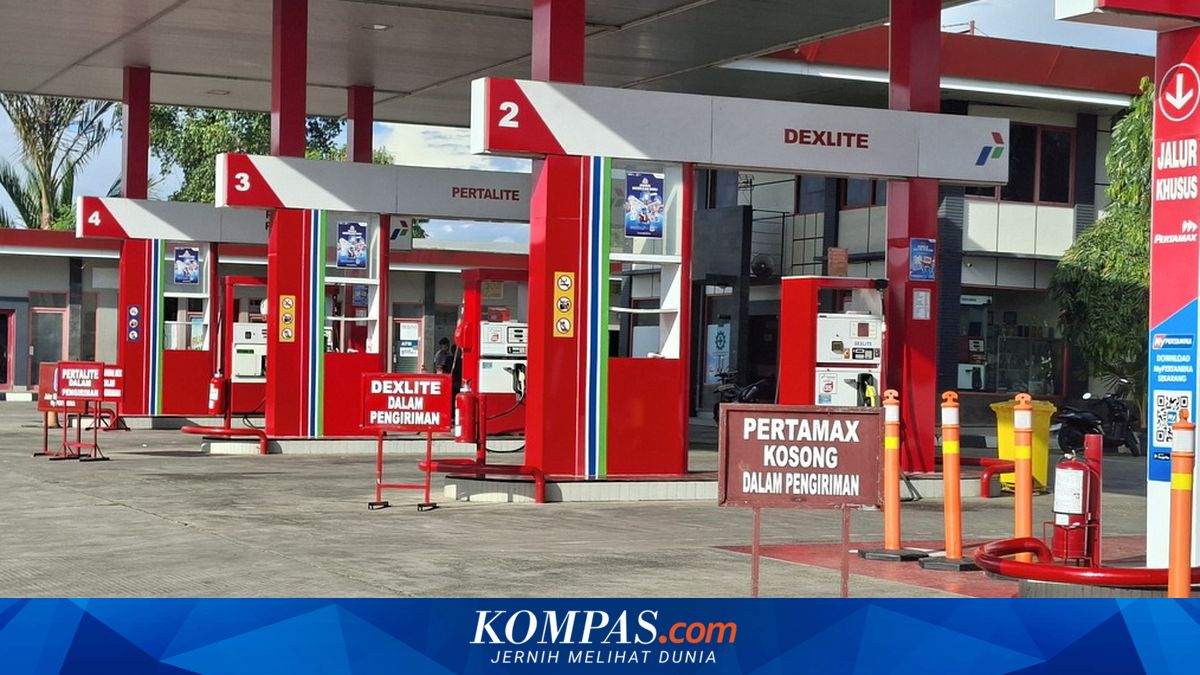
JAKARTA, KOMPAS.com - The government’s decision to hold the price increase of Fuel Oil (BBM) amid the surge in global oil prices is considered a positive short-term catalyst for the domestic stock market.
However, behind this sentiment, investors are beginning to scrutinise the potential fiscal risks that could influence the direction of the Composite Stock Price Index (IHSG) in the future.
Capital market observer Reydi Octa views the government’s policy of not raising the prices of subsidised and non-subsidised BBM as of 1 April 2026 as capable of maintaining public purchasing power and curbing inflation, thereby providing room for the consumption sector to continue growing.
However, in the medium term, the decision to hold the BBM price adjustment could become a subsidy cost burden for the government going forward.
Furthermore, Investment Specialist at PT Korea Investment and Sekuritas Indonesia (KISI), Azharys Hardian, warns that the policy has medium-term consequences that cannot be ignored.
He describes the holding of BBM prices as a “double-edged sword” for the market.
On one side, the policy provides a “fresh wind” for domestic consumption.
On the other side, the potential swelling of energy subsidies becomes a risk that must be watched.
Azharys sees the gap between the oil price assumption in the State Revenue and Expenditure Budget (APBN), which is in the range of 75-80 US dollars per barrel, and the market price that has breached 100 US dollars as potentially widening the fiscal deficit.
If the subsidy burden increases significantly, the budget deficit risks exceeding the established limits.
This condition becomes a primary concern for global investors, especially those investing in the bond market.
“This is a double-edged sword. It is true that holding prices provides a fresh wind for public purchasing power (consumption-driven growth), but the capital market has a more pragmatic view,” he emphasised.
“The price difference between the ICP (Indonesian Crude Price) assumed at 75-80 US dollars and the market price exceeding 100 US dollars creates a wide fiscal deficit,” Azharys continued.
In such a scenario, pressure would not only occur in the stock market but also on the rupiah exchange rate and government bond yields.