
Fuel Price Hike Slashes Clean Water Aid for Central Java Drought Relief by 70 Percent
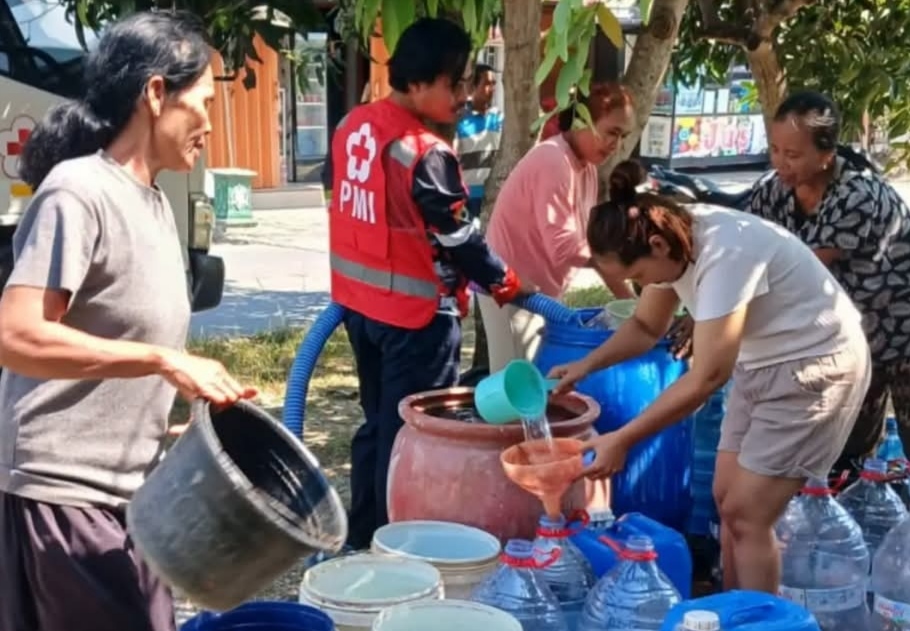
The need for clean water aid in drought-affected areas of Central Java is expected to increase in August, but the availability of water for assistance has been slashed by 70 percent from 123-129 million litres to just 44-46 million litres due to the rising price of fuel. Monitoring by Media Indonesia on Sunday (19/7) showed the number of drought-stricken areas in Central Java continues to expand, with 16 regions now on drought emergency alert and clean water aid for affected residents steadily increasing across 15 areas, including Cilacap, Banyumas, Purbalingga, Banjarnegara, Purworejo, Magelang, Boyolali, Klaten, Sukoharjo, Sragen, Grobogan, Jepara, Demak, Semarang Regency and Pemalang. To date, the Central Java Provincial Government has distributed 3,258,000 litres of clean water aid (660 tankers) to 30,378 families (81,297 individuals) in the affected regions. With August and September expected to mark the peak of the dry season, the volume of water required for aid is forecast to rise. “For August, the need for clean water aid in drought-affected areas is estimated to reach 4 million litres,” said Bergas Catursasi Penangggungan, Head of the Central Java Regional Disaster Management Agency (BPBD), on Sunday (19/7). According to Bergas Catursasi Penangggungan, although calculations suggest the available clean water supply is still sufficient to face the dry season and drought disaster, a problem has arisen due to a 70 percent cut in availability. He explained that the clean water aid supply was initially prepared at 123-129 million litres in line with the existing budget, but the fuel price increase forced a 70 percent reduction, leaving only 44-46 million litres available. Before the conflict in the Middle East and the closure of the Strait of Hormuz, Bergas Catursasi Penangggungan continued, the Central Java BPBD had planned to prepare 123 million litres of clean water aid for this year’s dry season. However, that figure decreased because operational and human resource costs rose due to the fuel price hike. After distributing up to 3.2 million litres of water aid in the affected areas, the remaining clean water aid that the Central Java BPBD can still distribute stands at around 40 million litres, as the fuel price increase has forced the agency to make adjustments. He expressed hope that by October, November and December, rain will begin to fall in the currently drought-stricken areas, reducing the need for clean water aid to zero. “We must revise and adjust operational costs going forward,” he added.