
Fuel Price Hike Becomes a Boost for Electric Vehicles
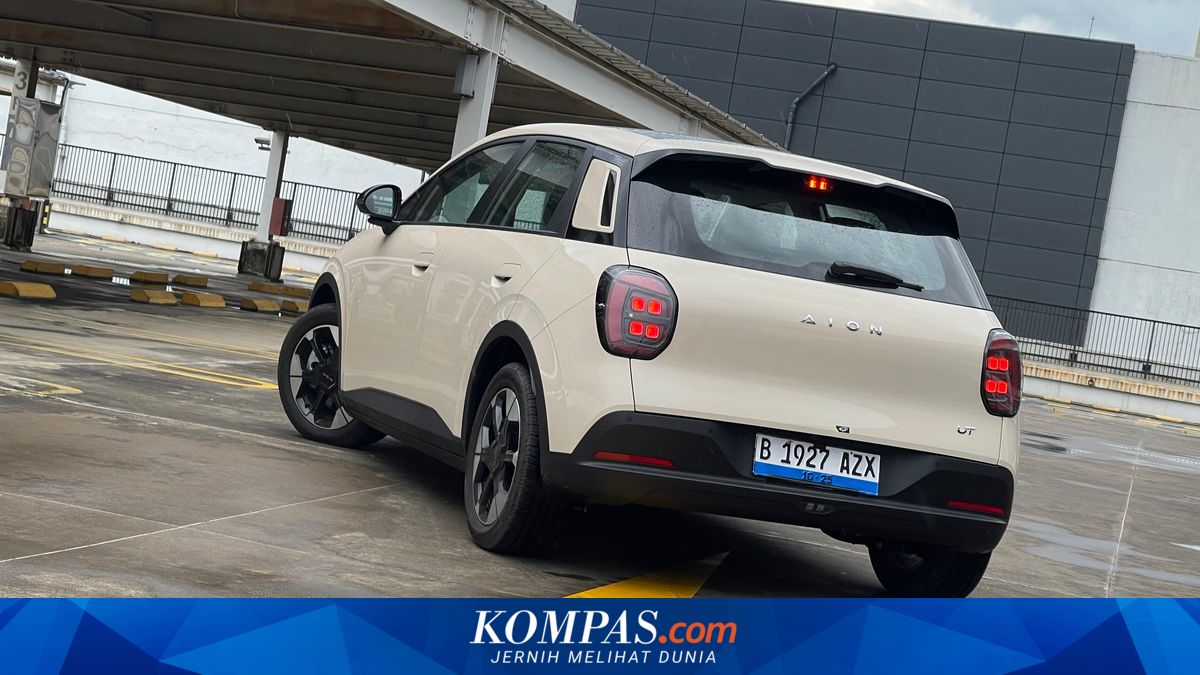
GUANGZHOU, KOMPAS.com – The era of tax-free pure electric vehicles in Indonesia is entering a new phase. Through Ministry of Trade Regulation No. 11 of 2026, the government has stipulated that battery-based electric vehicles are now subject to tax. This means electric cars are once again subject to Motor Vehicle Tax (PKB) and Re-registration Duty (BBNKB). Although the zero per cent tax status has ended, this is not seen as the end for the electric vehicle ecosystem. On the contrary, fluctuations in fuel oil (BBM) prices could become a fresh wind encouraging the public to switch from conventional cars. GAC Aion Indonesia CEO Andry Ciu sees this situation as two sides of the same coin. According to him, the main essence of owning an electric car remains its cost efficiency, which is hard to match. Andry emphasised that even with the tax adjustment, electric vehicles still have three main advantages over internal combustion engine (ICE) cars. “For these three things, EVs still outperform ICE technology cars or previous ones. On one side, there is attention, but on the other side, there is opportunity,” he said. Andry did not deny that the opportunity arises alongside global uncertainties that trigger potential fuel price surges. So far, the price increases have only targeted upper-class non-subsidised fuels. However, this condition is already enough to signal the public to seek transportation that is more resilient to global oil price fluctuations. “Currently, the fuel price increase only affects Pertamax Turbo and Pertamax Dex,” said Andry. “Whether Pertamax and Pertalite will also rise, we don’t know yet. But for now, what is certain is that Pertamax Dex and Pertamax Turbo have increased,” he added.