
Fuel Distribution in Focus as Expert Says Pertamina–Local Government Cooperation Is Vital to the Economy
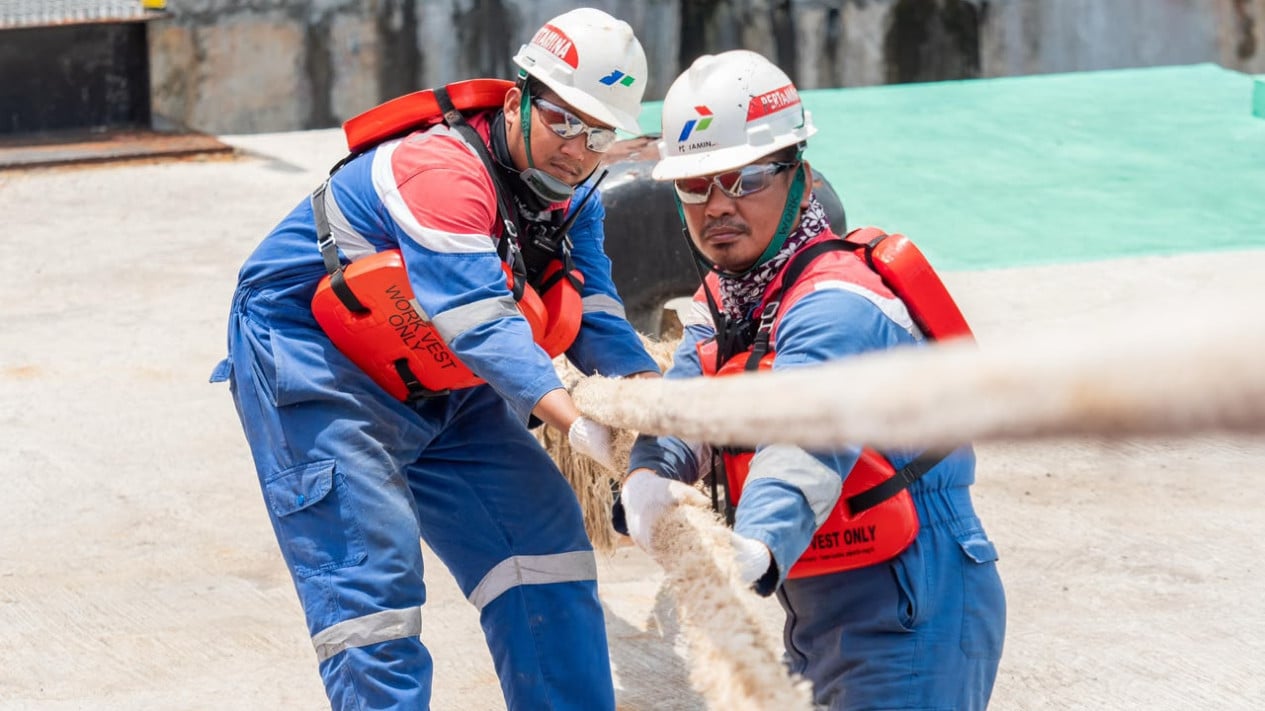
Jakarta — The smooth distribution of fuel oil (BBM) is considered an important factor in sustaining economic activity and public mobility. Cooperation between state-owned energy company PT Pertamina (Persero), local governments and other stakeholders is therefore needed to ensure energy supplies reach regions without disruption.
Cecep Hidayat, a political analyst and lecturer at the University of Indonesia, said Pertamina’s move to strengthen coordination with local governments was an appropriate approach to managing the country’s strategic resources.
He said fuel distribution was not merely a matter of company operations, but also concerned public services and the continuity of economic activity in communities.
“Pertamina, as a state-owned energy company, is right to strengthen cooperation with local governments and other relevant parties. This reflects good governance of strategic resources, because smooth fuel distribution requires the various parties to align their roles and responsibilities,” Cecep said in a written statement on Sunday, 1 November 2026.
Cooperation can help address distribution obstacles
Cecep explained that, from a political science perspective, coordination between the government, businesses and stakeholders is part of collaborative governance. Each party exercises its authority to achieve shared goals, including ensuring public access to energy.
Local governments, he said, understand the characteristics of their regions, their economic activity and the needs of local communities. This information can help Pertamina map supply requirements and determine operational measures suited to conditions on the ground.
“Cooperation creates opportunities to exchange information and address obstacles in a more targeted way. Pertamina can adjust its distribution measures to local conditions, while local governments can support coordination so that services to the public run smoothly,” he said.
The involvement of regulators and relevant authorities was also considered important. Their role is needed to support oversight and ensure fuel is distributed for its intended purpose.
Cecep said a clear division of responsibilities could strengthen accountability and help speed up the response when distribution problems arise.
Fuel distribution is linked to economic stability
According to Cecep, smooth fuel distribution has a broader impact than simply ensuring that fuel is available in every region. Fuel is an essential need that supports people’s mobility, business activities and public services.