
Fuad Bawazier highlights suboptimal management of natural resources
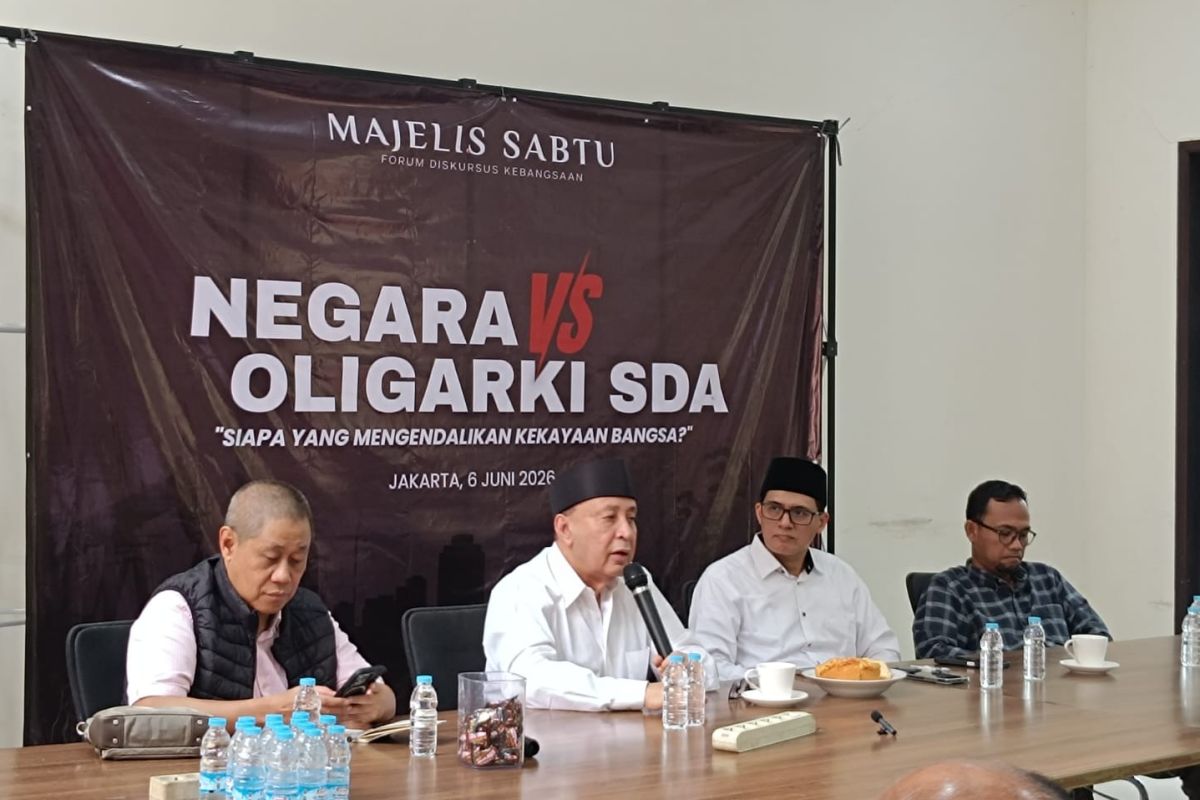
Jakarta (ANTARA) - Former Finance Minister Fuad Bawazier has highlighted that the management of Indonesia’s natural resources (SDA) has not yet provided optimal benefits for the country and its people. He noted that practices such as transfer pricing and the sale of commodities through third-party countries mean that a portion of export revenues is not fully recorded domestically, benefiting only a small group of parties.
“These natural riches must be controlled by the state in accordance with Article 32,” he stated in a briefing in Jakarta on Sunday. The Finance Minister during the end of the New Order era also mentioned that state control since independence has focused primarily on the oil and gas sectors. He assessed that other commodities, such as coal, palm oil, and minerals, have not yet fully provided maximum benefits to the public.
In addition to criticisms regarding natural resource management, a discussion titled “State vs. Natural Resource Oligarchy” held by the Keluarga Besar Pelajar Islam Indonesia (KB PII) in Jakarta on Saturday (6/6) also addressed several key points regarding the Macroeconomic Framework (KEM) and the Main Points of Fiscal Policy (PPKF) in the 2027 Draft State Budget (RAPBN) presented by President Prabowo Subianto.
KB PII Chairman Nasrullah also highlighted President Prabowo’s speech, which warned of threats to Indonesia’s future sustainability. “The practice of brutal looting of our natural resources by a number of conglomerates belonging to a black oligarchy has caused immense losses for the national economy moving forward,” he said. Nasrullah noted that under-invoicing practices in exports have the potential to cost the state up to Rp15,000 trillion over several decades. The direct impact of trade mis-invoicing on the national economy includes the loss of foreign exchange, reduced potential state revenue through taxes, and the parking of funds in overseas accounts.
“We will continue to monitor President’s speech on 20 May 2026, to ensure that those involved in the looting of our natural resources—who have potentially cost the state up to Rp15,000 trillion—are identified and punished, in addition to being required to return those funds to the state treasury,” he added.
The government has issued a Government Regulation on the Management of Natural Resource Commodity Exports, designating State-Owned Enterprises (BUMN) as the sole exporters for palm oil, coal, and iron alloys. To implement this mandate, the government has established PT Danantara Sumber Daya Indonesia, a company newly founded on 19 May 2026, with a 99 per cent majority stake held by PT Danantara Investment Management. The formation of DSI has the potential to benefit the state by suppressing the under-invoicing practices that have historically caused revenue leakages. The establishment of DSI originated from government findings regarding alleged under-invoicing and transfer pricing practices in the export of natural resource commodities. President Prabowo has even highlighted these issues several times during cabinet meetings, as they are deemed to cause Indonesia to lose significant potential state revenue.