
FTSE Russell Keeps Indonesia as a Secondary Emerging Market
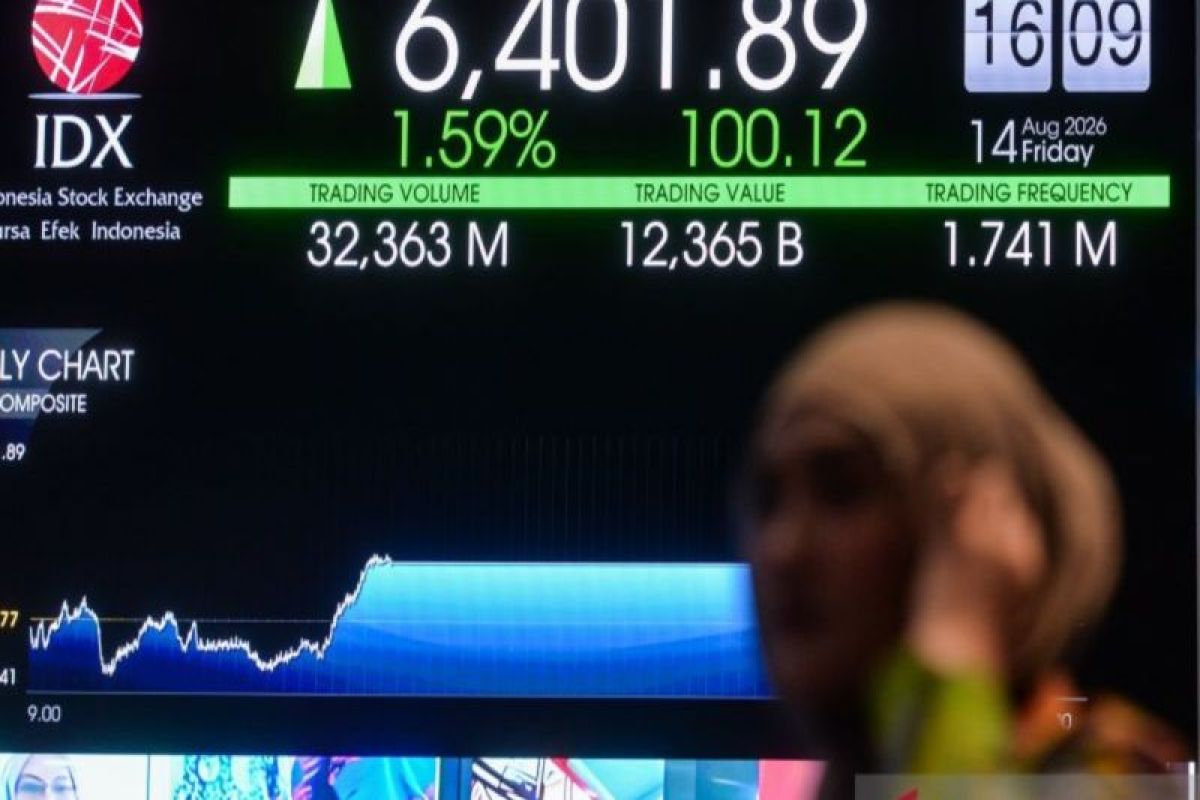
Jakarta (ANTARA) — Global index provider FTSE Russell has maintained Indonesia’s capital market status as a Secondary Emerging Market.
“As stated in the FTSE Equity Country Classification annual report for September 2026, FTSE Russell has not placed Indonesia on the Watch List and its Secondary Emerging Market status remains unchanged,” FTSE Russell said in Indonesia – Index Treatment for the December 2026 Index Review, cited in Jakarta on Sunday.
In the report, FTSE Russell also acknowledged several steps taken by Indonesian capital market authorities to strengthen market transparency.
While welcoming this progress, FTSE Russell said it needed more time to evaluate the effectiveness of the reforms implemented.
The evaluation covers improved transparency of shareholder data, stronger trading surveillance systems and criteria, and consistent enforcement of regulations.
“Therefore, the treatment applied in the September 2026 index review will be carried forward to the December 2026 index review,” FTSE Russell said.
The evaluation includes:
Updates based on the Industry Classification Benchmark (ICB).
Quarterly updates to share numbers, subject to a 1 per cent buffer threshold.
Quarterly reductions in free float, which will only be made in accordance with the 3 per cent buffer for shares with a free float above 15 per cent, and the 1 per cent buffer for shares with a free float of between 5 and 15 per cent.
Removal of shares that no longer meet index eligibility requirements, such as those subject to prolonged suspension, failing surveillance or liquidity criteria, or whose market capitalisation falls below the applicable deletion threshold.
Changes to large-, mid-, small- and micro-cap classifications resulting from spin-offs. A spun-off entity will be deleted if it does not meet the applicable minimum threshold.
Downgrades from large-, mid- or small-cap to micro-cap status.
Updates to index constituent weight caps.
Updates to the Weight Adjustment Factor (WAF) from a positive value to zero, which means removing the share from the relevant index.
Updates to applicable exclusion lists, for example under environmental, social and governance (ESG), ethical or Sharia principles.
Several index composition changes will remain suspended until at least the March 2027 review. These include movements between large-, mid-, small- and micro-cap categories.
Other deferred adjustments include increases in free float, certain changes to the Weight Adjustment Factor (WAF), and the addition of new constituents, including shares from initial public offerings (IPOs).
Nevertheless, FTSE Russell will make a number of index adjustments in December 2026, including industry classification updates, free-float reductions in accordance with the rules, and the removal of shares that no longer meet index requirements.
FTSE Russell also confirmed that shares flagged for High Shareholding Concentration (HSC) will be removed from the relevant indices at the December 2026 review.
The deletions will use market prices and take effect at the market open on Monday, 21 December 2026.
FTSE Russell said it would continue to monitor developments in Indonesia’s capital market and communicate with the relevant authorities.
Further decisions on index treatment, including the possible resumption of full composition changes, will be considered ahead of the March 2027 review.
Source: jawawa.id (https://jawawa.id/newsitem/ftse-russell-keeps-indonesia-as-a-secondary-emerging-market-1794725502)
Originally published by Antara (Indonesian) (https://www.antaranews.com/berita/5855335/ftse-russell-pertahankan-ri-sebagai-secondary-emerging-market), translated from Indonesian