
Fruits and Vegetables with Highest Microplastic Contamination Widely Consumed in Indonesia
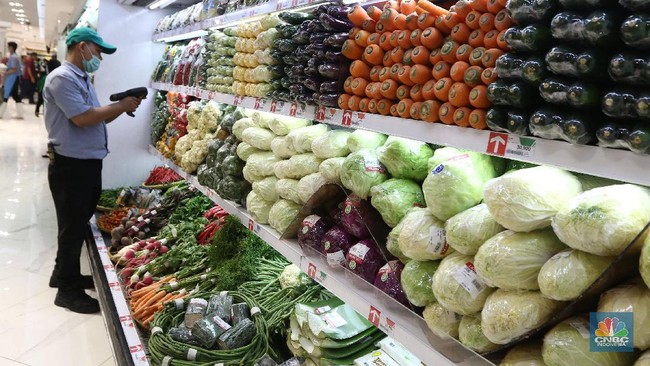
Microplastics are now found not only in the sea, drinking water, or processed foods, but also in the fruits and vegetables consumed daily by the public. Research published in Environmental Research in February 2024 shows that these very small plastic particles can enter plant tissues through soil, water, as well as food cultivation and distribution processes. Based on Environmental Research, researchers examined more than 12 commonly consumed proteins, including beef, breaded shrimp and other types of shrimp, chicken breast and nuggets, pork, seafood, and tofu. In addition, researchers also observed several plant-based meat alternatives, such as nuggets, plant-based crumbles similar to ground beef, and plant-based fish sticks. From this, the researchers found that nearly 90% of the proteins studied contained microplastics. A study published in August 2020 in Environmental Science found there are approximately 52,050 to 233,000 plastic particles under 10 micrometres in size in various types of fruits and vegetables. Furthermore, it was discovered that apples and carrots are the most contaminated fruits and vegetables, with more than 100,000 microplastics per gram. The smallest microplastic particles were found in carrots, while the largest plastic fragments were found in lettuce. Another study conducted by researchers from the University of Catania, Italy, also found small plastic particles in fruits and vegetables such as carrots, lettuce, apples, and pears. Apples had one of the highest amounts of microplastics in fruit, with an average of 195,500 plastic particles per gram, while pears averaged around 189,500 plastic particles per gram. Broccoli and carrots proved to be the most contaminated vegetables, averaging more than 100,000 plastic particles per gram. Two previously published studies found that microplastics penetrate the roots of lettuce and wheat plants, and nanoplastics are absorbed by plant roots. Fruits and vegetables can accumulate microplastics through absorption from water or soil contaminated with microplastics. “When we bite into an apple, it is very likely we are also consuming microplastics,” explained Sion Chan, campaigner for Greenpeace East Asia based in Hong Kong.