
Frugal Living Increasingly Popular Among Young People
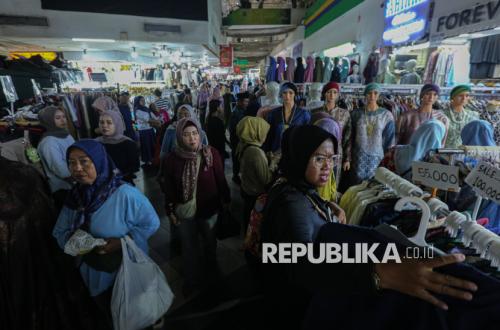
Indonesian anthropologist Prof. Dr. Semiarto Aji Purwanto believes that the frugal living lifestyle is now increasingly accepted among the younger generation. The reason is that living frugally is no longer viewed as a symbol of lack, but rather as part of a way to present oneself and a modern lifestyle.
“Now frugality is a conscious choice, because we simply want to be frugal, we don’t want to be wasteful,” said Semiarto on Friday (8/5/2026).
According to the Professor of Anthropology at the University of Indonesia, frugal living today is no longer merely interpreted as an effort to reduce expenditure. Instead, it has evolved into a new social value that emphasises moderate and non-excessive consumption.
He assesses that the younger generation is now increasingly rational in spending money, considering the appropriateness between expenditure and the benefits obtained.
“What is spent and what is gained. Spending at a reasonable, fair price, and getting what is expected,” he stated.
Semiarto said this change is also influenced by the emergence of new ethics in urban society that is beginning to avoid excessive consumption behaviour or overconsumption. “Don’t be wasteful, don’t overconsume, no need to buy expensive or excessive things, just enough,” he said.
According to him, the frugal lifestyle today is also related to aesthetics and the way the younger generation builds their self-image in public spaces and social media. “Now talking about appearance, it’s clean, simple, that’s cool,” said Semiarto.
He explained that frugal living has now developed into part of self-presentation or the way a person presents their social identity.
“Frugal living is not just about being frugal or stingy, but it’s a way we present ourselves in public,” he said.
Semiarto believes there has been a change in consumption values among the younger generation. That is, from previously being oriented towards status symbols and flaunting luxury to emphasising self-discipline and more conscious consumption.
“In anthropological terms, we call it reframing, reconfiguring consumption values from merely showing off status to self-discipline,” he stated.