
Frugal Living Gains Popularity, Anthropologist Highlights Expensive Hangouts and Shopping FOMO
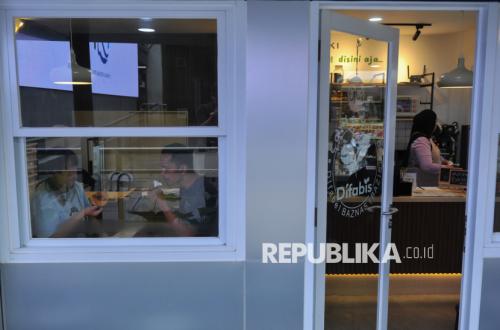
JAKARTA — Indonesian anthropologist Prof. Dr. Semiarto Aji Purwanto assesses that a consumptive lifestyle, such as hanging out at expensive places to impulsive shopping, is the type of expenditure most feasible to reduce when someone wishes to pursue a frugal or thrifty living style.
“If we want to live simply, frugal living, clearly the lifestyle whose idea is the consumption of tertiary goods,” said Semiarto on Friday (8/5/2026).
According to the Professor of Anthropology at the University of Indonesia, expenditures related to tertiary needs become one of the parts most easily suppressed in daily consumption patterns.
He gives examples of the habit of hanging out at malls, buying premium coffee, to eating at expensive places as expenditures that can be adjusted to each person’s ability.
He states that a frugal lifestyle does not mean one cannot enjoy entertainment or certain consumption, but rather the ability to rationally manage spending priorities.
“Coffee now ranges in price from Rp5,000 to over Rp100,000. That’s the choice. Adjust life accordingly,” he said.
Besides lifestyle expenditures, Semiarto also highlights the habit of impulse consumption or impulsive buying driven by emotional factors and social media trends.
“There’s a discount, hurry up. There’s a flash sale, come on hurry. Or just FOMO (fear of missing out), so-and-so A, B, C have bought it, why haven’t we,” he stated.
He says that the habit of buying goods due to trend influences or social status often makes consumption non-essential.
According to him, fanaticism towards certain brands or the habit of replacing gadgets too quickly also becomes an expenditure that can be reduced.
Source: jawawa.id (https://jawawa.id/newsitem/frugal-living-gains-popularity-anthropologist-highlights-expensive-hangouts-and-shopping-fomo-1778284419)
Originally published by Republika (https://ekonomi.republika.co.id/berita/teqrsi370/frugal-living-kian-ngetren-antropolog-soroti-nongkrong-mahal-hingga-fomo-belanja), translated from Indonesian