
From Zero Capital, Nirin Builds a Layer Chicken Business with BRI's Help
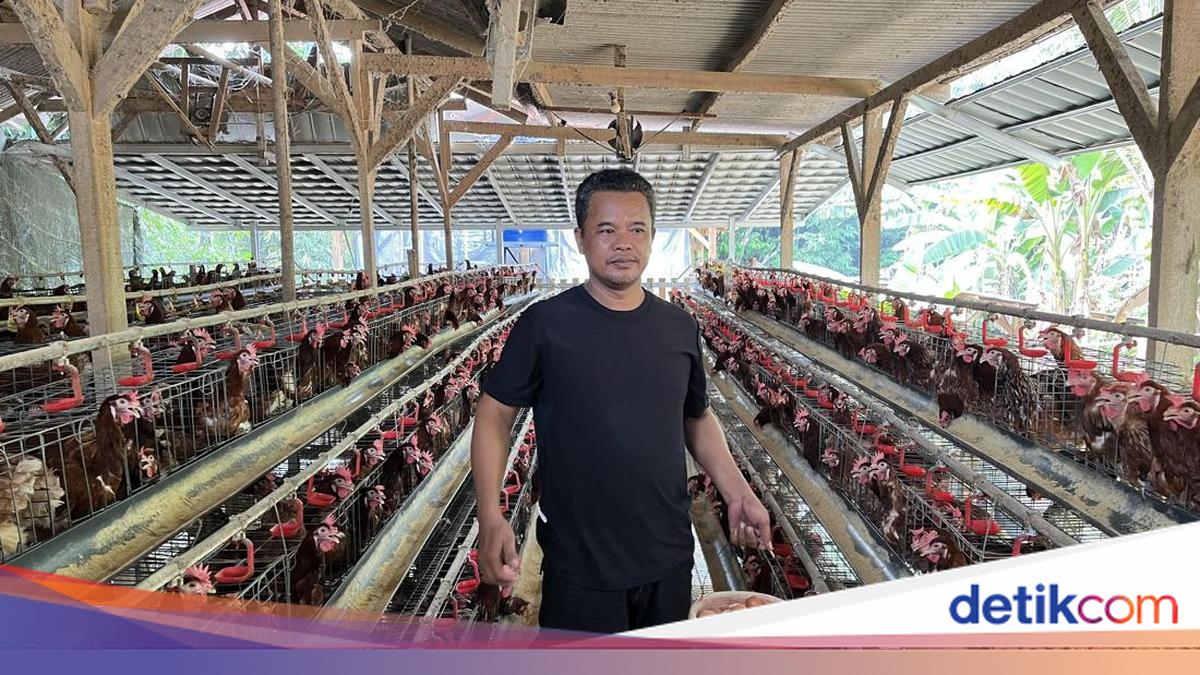
At 47 years old, Nirin Samsudin never imagined that the chicken coop next to his house in Kampung Cisaat, Desa Kertarahayu, Setu, Bekasi Regency, would change his life. Armed only with courage and a principle of maintaining trust, he has spent the last six years building his business from nothing to a flock of 1,000 layer chickens. With support from BRI’s KUR loan programme, his venture has not only become his family’s livelihood but has also encouraged other residents to follow in his footsteps.
Nirin’s journey began while he was working transporting feed. Observing the poultry farmers around him, he saw a significant opportunity in the layer chicken business. When he decided to start his own venture in 2020, he had no capital to build a coop. He managed to secure an initial loan of around Rp 60 million, which he used to build a coop and purchase 700 chickens. ‘Alhamdulillah, that two-year debt has been paid off,’ he said.
With his initial debt cleared, Nirin sought to expand. He applied for a BRI KUR loan and received Rp 100 million with a three-year tenor, allowing him to enlarge his coop and increase his flock to 1,000 chickens. After repaying that loan, he applied for another Rp 100 million loan from BRI in 2026 to renovate the coop and purchase more chickens from a breeder in Tangerang.
His 1,000 layer chickens now produce 55 to 57 kilograms of eggs daily. Nirin has no trouble selling his produce, with local residents, buyers from outside the area, and village grocery stores regularly purchasing his eggs. ‘The eggs never pile up; they always sell,’ he said. However, operational costs are substantial, with daily expenses reaching Rp 2 million per month and feed costs around Rp 19 million per month. He typically buys chickens at 13 weeks old, and they begin laying eggs a month later, remaining productive for up to two years. After their productive period, the culled chickens are sold, often fetching higher prices during village celebrations like Lebaran, ranging from Rp 50,000 to Rp 60,000 each.
After six years, the business has significantly boosted his family’s economy, generating a net profit of around Rp 14 million per month. Nirin also earns additional income by supplying feed to other farmers, bringing in nearly Rp 12 million. He manages the farm with his family and occasionally hires locals to help clean the chicken coops, paying them Rp 70,000 to Rp 100,000 per day. The chicken manure is also sold to farmers for use as fertiliser, priced at around Rp 10,000 per sack.
Nirin’s success has inspired other villagers, and he is now considered a pioneer in his area. He actively shares his experience, helping others prepare coops and supplying them with feed. Currently, he supports around seven other poultry farms with a total of approximately 8,000 chickens. He sources feed directly from a factory in Cikiwul, Bantargebang, Bekasi, for both his own use and for sale to other farmers. For Nirin, trust is the greatest asset in his business, and he remains open and fair with fellow farmers, even when feed prices rise.