
From Village Alleys to University Benches
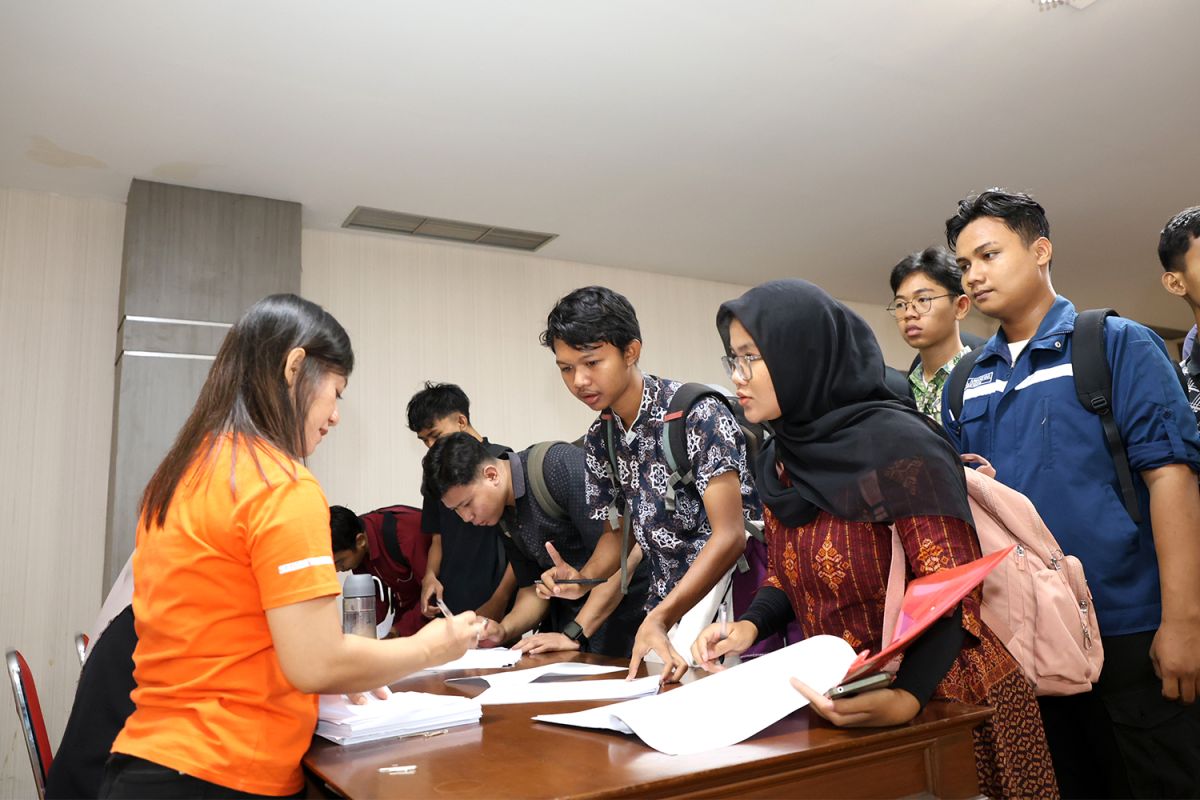
Scholarship financial assistance must be accompanied by mentoring, skills training, and access to the job market. Surabaya (ANTARA) - Those footsteps stopped in front of a small house at the corner of the village. The door opened slowly, revealing a young man who chose to do odd jobs rather than continue his studies. Not because he couldn’t think far ahead, but because the costs felt too high to reach. It is at this point that the state, through its closest hands, namely the sub-district heads and village heads, begins to move, combing through villages to ensure dreams do not fail just because of the numbers in the bank account. The Surabaya City Government’s policy in East Java, which asks regional apparatus to directly collect data on youth who have not gone to university due to economic limitations, is not just an administrative programme. It is an effort to move the centre of policy from the desk to the field, from statistical numbers to human faces. This “jemput bola” approach is interesting because it targets the classic problem of higher education in Indonesia, namely unequal access due to economic disparities. In the Surabaya context, this step finds its momentum. Data shows that thousands of youth are still in the decile 1 to 5 group, namely the low-income category of society who have the potential not to continue their education. On the other hand, the city government has also prepared a scheme for tuition fee assistance of up to Rp2.5 million per semester and monthly pocket money. However, without accurate data and an active approach, assistance often misses the target. This is where the relevance of village combing becomes crucial. A good policy is not enough to stop at design, but must touch the social realities that are often hidden behind the narrow alleys of the city. Real data