
From Transmigration Areas, TEP ITS Introduces Population Service Innovation
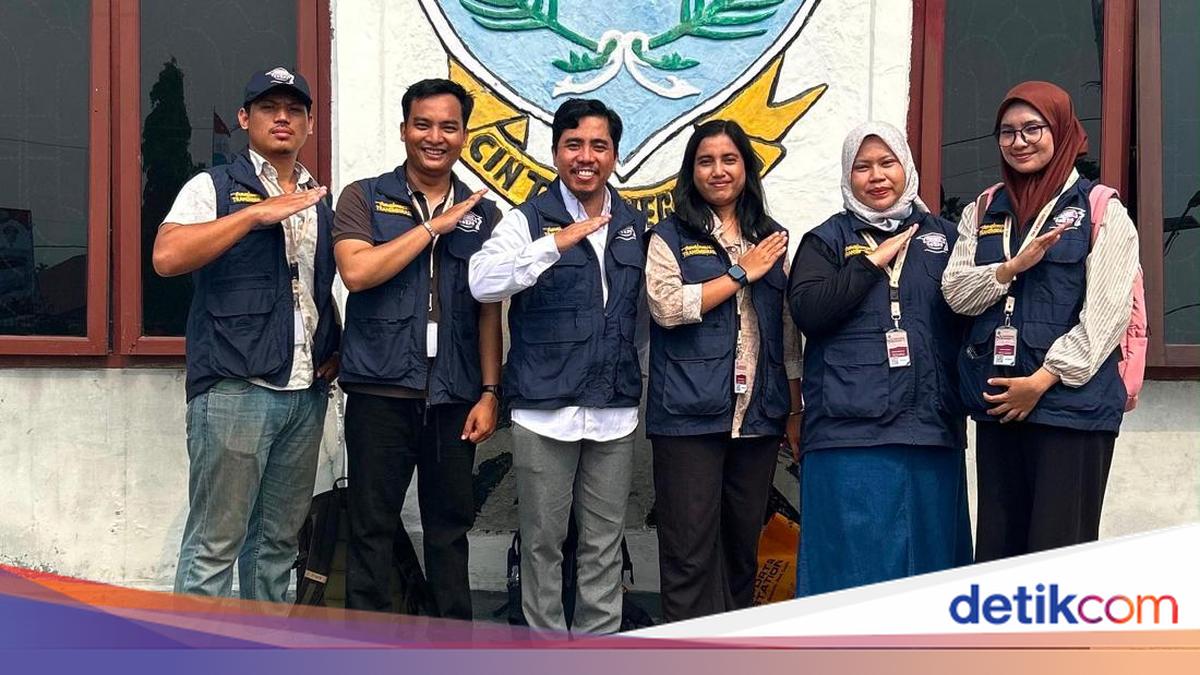
Travelling long distances solely to manage Family Cards (KK) or Birth Certificates is no longer the only option for residents in the Ransical Transmigration Area, South Manokwari Regency. The Patriot Expedition Team (TEP) from the Sepuluh Nopember Institute of Technology (ITS) Surabaya has introduced a digital innovation that enables the community to initiate population document applications simply through mobile phones.
This innovation by TEP ITS in Ransiki illustrates how the transformation of transmigration areas is creating a new role for universities within these regions. The presence of academics is no longer limited to research but is directed towards producing real solutions for the challenges faced by the community.
The Chairperson of the TEP ITS, Yogantara Setya Dharmawan, stated that the innovation was born from the actual needs of the Ransiki transmigration community, which still faces challenges regarding distance and access in obtaining population administration services. “We believe that the community should not always have to travel long distances just to begin the process of managing population documents. Therefore, we are attempting to introduce a system that is simple and easily accessible via mobile phones, so that technology can help bring government services closer to the people,” Yogantara said in a written statement on Wednesday (2/9/2026).
This innovation is part of TEP’s service in the transmigration area through research themed ‘Digitalisation of Non-Profit Organisational Institutions in the Ransiki Transmigration Area’. The system was developed to support the Population and Civil Registration Office (Disdukcapil) of South Manokwari Regency in expanding the reach of services to residents living far from government centres.
Through this digital system, residents will be able to submit administrative needs earlier without having to visit the Disdukcapil office first. This step serves as a solution to the challenges of distance and transport access still faced by communities in several areas of South Manokently.
TEP ITS developed the system based on a simple principle: technology must be easy to use and truly address the needs of the community. “This digitalisation is not intended to replace service officers. On the contrary, the system is designed to strengthen the ‘proactive outreach’ pattern,” said Yogantara.
“The submission data from residents can help the government identify community needs earlier, before officers go directly into villages and areas far from service centres,” he added.
With this pattern, public services will no longer rely solely on the community coming to the government. Instead, the government can move more actively to visit the community, bringing prepared services based on the submitted application data.
For residents, the benefit is that the initial process of managing documents becomes easier and more practical. For the local government, the system can help manage public requests more organisedly and increase the effectiveness of field services.
The Indonesian Minister of Transmigration, M Iftitah Sulaiman Suryanagara, stated that TEP is present to bring knowledge and innovation directly to the community, making transmigration areas a space for the birth of various development solutions. “This is the meaning of the Patriot Expedition Team’s service. We want knowledge not to stop at campuses or in research reports, but to be present in answering community problems,” said Iftitah.
According to Iftitah, the transformation of transmigration is not merely about physical development, but also about improving the quality of life through the strengthening of human resources, technology, and innovation. “In the future, transmigration areas must become spaces for collaboration and centres for innovation. The government, universities, and the community must work together so that development truly brings change,” Iftitah emphasised.
“The principle is simple: government services must get closer to the people, rather than the people being forced to travel far to reach service centres,” he concluded.