
From the Spice Lands to a Superpower Nation
Perhaps there are few nations in the world as wealthy, as coveted, and yet as long-lived in a historical paradox as Indonesia.
We often read colonialism as little more than a tale of territorial conquest. Yet far behind that, colonialism, in essence, is the struggle for the world’s centres of wealth. For centuries, the Nusantara lay at the heart of that struggle.
The spices of Maluku once powered the global economy. The Malacca Strait trade route became the artery of world traffic.
The produce of Nusantara linked East and West in a network of trade that has shaped the face of modern civilisation.
Thus, great powers arrived with ambitions not insignificant.
The Portuguese came bearing merchant missions and power. The Spanish moved from another direction. The English also sought to exert influence. But the Dutch ultimately built the longest-lasting economic control in the region.
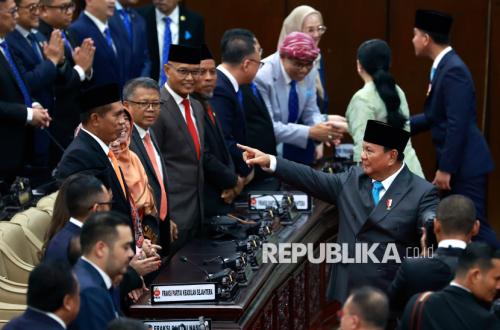
In my notes on the President of the Republic of Indonesia’s speech on the Macro Economic Framework and the Principles of Fiscal Policy 2027 in the DPR RI Plenary Session on 20 May 2026—coinciding with National Awakening Day—there is a slide that feels highly symbolic: the world GDP per capita ranking from 1500 to 1800 showing the Netherlands repeatedly at the top of the global economy.
Many people may read this as ordinary historical data. Yet the slide holds a far deeper reflection on the relationship between the wealth of Nusantara and the accumulation of global economic power.
See this post on Instagram