
From the Silmy Case, a Web of Corruption in Immigration Uncovered
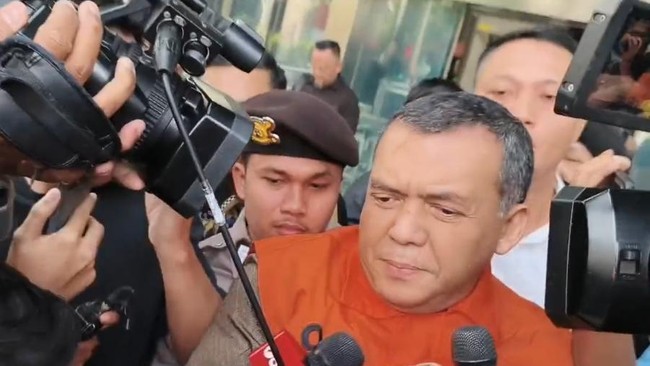
The alleged extortion case regarding the processing of stay permits for foreign nationals (WNA) has shocked many parties, exposing a deep-seated culture of corruption within the institution. The case implicates the inactive Deputy Minister of Immigration and Correctional Services, Silmy Karim, alongside several former officials and staff members within the Directorate General of Immigration.
The Corruption Eradication Commission (KPK) revealed that the case is not merely an individual act but a structured network involving both central and regional offices. KPK Chairman Setyo Budianto explained the modus operandi: the application process for foreign nationals’ stay permits was intentionally complicated and frequently rejected. Applicants were then forced to pay additional fees at verification counters in regional immigration offices and again at the Directorate General of Immigration in the central office to ensure their documents were processed.
“This illustrates unlawful acts in this alleged extortion-based corruption, which was carried out systemically by the parties involved, from the command chain (top-down) to the money flow (bottom-up/contributions),” Setyo stated during a press conference on Thursday (4/6/2026).
The commands formed a structured criminal network ranging from leadership to staff, ordering the collection of extra fees for stay permit processing. The investigation revealed the following hierarchy of ‘quotas’:
Silmy Karim, serving as Director General of Immigration from 2023–2024, allegedly extorted funds by requesting ‘quotas’ from stay permit processing, which were requested via the Director of Stay Permits, Jaya Saputra.
Jaya Saputra then instructed Sub-directors Bagus Bramantyo and Tessar Bayu Setyaji to collect extra fees from foreign nationals for every permit application document.
These individuals then provided access to staff members Gusti Bernadiansyah and Junaidi Sri Priambudi to execute these orders.
The perpetrators used nominee accounts as ‘collection accounts’ to hold fees from travel agencies or foreign nationals. It was discovered that between 2022 and 2026, the Director General received funds, directly or through intermediaries, amounting to at least Rp 145.5 billion.
The funds were distributed to officials within the Directorate General, including Silmy Karim, who allegedly received a regular weekly quota of Rp 100 million.
The perpetrators used secret codes for distribution, such as ‘angel’ for high-ranking officials, and musical terms like ‘vocalist’, ‘guitarist’, and ‘choreographer’ to represent money flows to specific parties.
The funds were used for personal interests, including asset purchases and establishing a towing business to disguise the illicit income. The investigation also found that funds were withdrawn from collection accounts to purchase physical gold, and even used to purchase houses paid for in gold pieces.
The KPK views this case within the Ministry of Immigration and Correctional Services as a group-based, systemic operation, reflected in the structured patterns of commands, money flows, and mechanisms involving both regional and central levels. The scope of the case includes the West Jakarta Immigration Office and the Directorate General of Immigration.
Setyo noted that this pattern requires urgent attention as similar practices could exist in other regions. The suspects have been identified as part of a continuous chain of unlawful acts constituting corruption and extortion under Article 12 letter e of the Corruption Law.
The KPK also noted attempts to bypass digitalised public services. While the administration of stay permits is conducted online—particularly for work-related activities via the Ministry of Manpower—loopholes remain. During the digital submission process, officials allegedly withhold documents until illegal fees are paid. This delay persists through various stages, including extensions, status changes, and domicile updates, effectively stalling the process until bribes are provided.