
From the Seas of Sumatra to Riau, Women Contribute to Safeguarding the National Energy Supply
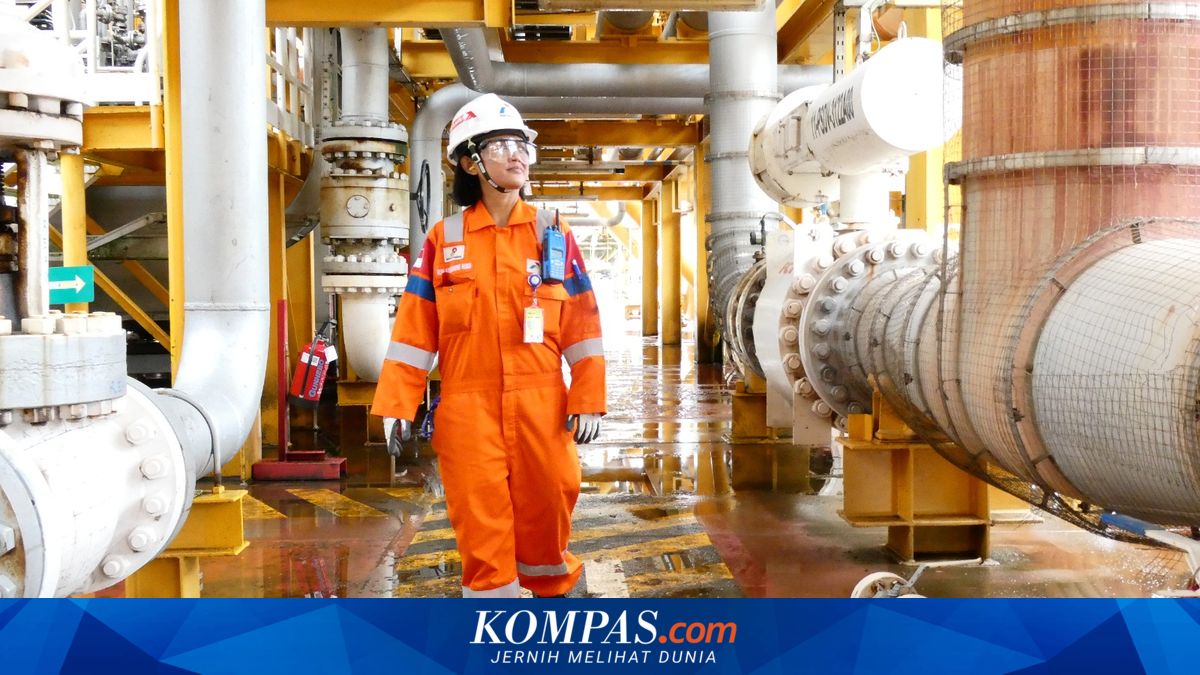
JAKARTA - The role of women in the upstream oil and gas (migas) industry is becoming increasingly prominent, including in sectors long associated with high-risk working environments.
From the open seas to onshore facilities, Indonesian women are beginning to assume strategic positions in maintaining national energy sustainability.
The spirit of emancipation once championed by Raden Ajeng Kartini is now reflected in the contributions of female workers in the energy industry.
They are not merely present as complements but have become essential components in operations and decision-making.
One such figure is Cassanova Istiqomah Walhawanadana, a Junior Officer for HSSE Offshore in Zone 6 of Pertamina Hulu Energi Offshore Southeast Sumatra (PHE OSES). She works in an offshore environment with high risk levels, ensuring that health, safety, security, and environmental (HSSE) aspects operate optimally.
“Being a woman in the upstream migas industry, especially in an offshore environment, is a meaningful experience. Amid the challenges, I have found space to continue growing,” said Cassanova.
A similar role is undertaken by Royfa Fenandita Finadzir on land. As a Plant Operations Operator at Pertamina Hulu Rokan (PHR), she is directly involved in operational activities at the Minas Field in Riau.
Royfa admits that as a new worker, she faced challenges in adapting to the work rhythm and operational environment. However, this has become motivation for continuous development.
“As a woman who is still new, there are certainly challenges in adapting to the work rhythm and operational environment. But that’s where I feel challenged to keep developing,” she said.
She also expressed pride in contributing to maintaining national energy resilience, while proving that women are capable of taking strategic roles in the migas sector.
Meanwhile, Runi Kusumaning Rusdi, who has been in the migas industry since 2008, demonstrates a longer career experience. Currently, she serves as Production Superintendent at the South Processing Unit (SPU) Field of Pertamina Hulu Mahakam (PHM).
However, as a woman, there is a deeper meaning when trusted to play a role in an industry long associated with masculinity.
“I feel valued not because I am a woman, but because of my abilities and competence,” she revealed.
She added that the presence of women in the team also strengthens collaboration, communication, and opens up space for innovation in the work environment.
These three figures reflect changes in the upstream migas industry, where women now have equal opportunities to develop and contribute.
They are actively involved in various lines, from field operations to strategic leadership, in supporting national energy sustainability.
This demonstrates that women have equal opportunities to develop, innovate, and contribute to supporting national energy sustainability.