
From the Police Chief’s Friday Sermon: A Hope for Police to Be Closer to the People
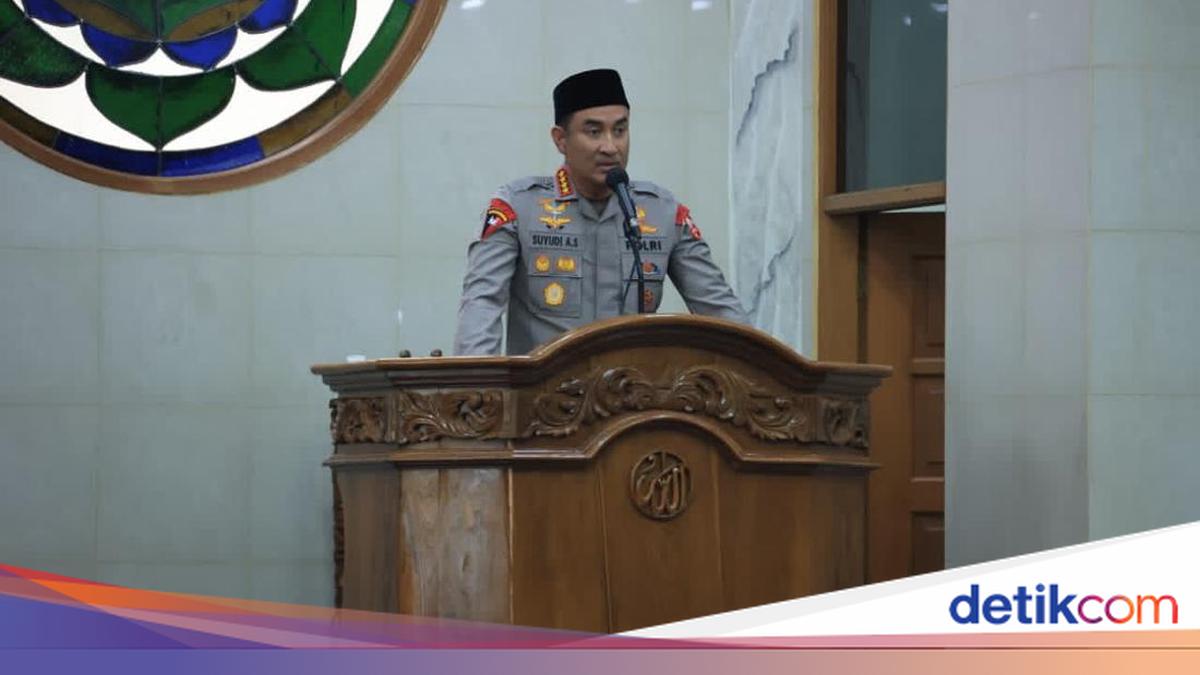
I was genuinely surprised, and appreciative, to learn that National Police Chief General Suyudi Ario Seto had delivered the Friday sermon at Al-Ikhlas Mosque at National Police Headquarters on Friday (9 October 2026). Amid the considerable responsibilities of leading the police force, his appearance at the pulpit carried an important moral message: everyone should remain humble, avoid arrogance and recognise that office, rank and power are trusts for which they must be held accountable.
To me, this was not merely religious advice, but also an important reflection on leadership and the future of the National Police. When a police chief speaks of humility, concern for others and responsibility, it raises the hope that these values will genuinely serve as an example for all officers, from headquarters to the most remote regions.
I appreciate this message because one of the key challenges facing the National Police is to continue strengthening public trust. The force’s image cannot be built through slogans and publicity about its achievements alone; it must grow from people’s real experiences when seeking services, protection and justice.
My hope for the police chief is simple: make the spirit of “Police with the People” a real movement to restore the force’s image, rebuild public trust and bring the police closer to people’s lives.
Restoring Trust through Concrete Action
The police’s image is not determined solely by success in solving cases or firmness in enforcing the law. It is also shaped by how officers receive reports, treat victims, respond to complaints and provide services to the public.
People need police officers who are accessible, willing to listen and able to provide certainty in handling problems. They do not always expect every issue to be resolved immediately, but they are entitled to courteous service, clear procedures and fair treatment, regardless of social status, wealth, position or connections.
For that reason, restoring the National Police’s image must begin with changes that people can genuinely feel. The police must be present as protectors, guardians and public servants—not create distance or make people afraid when they need help.
The six priority programmes for police transformation outlined by the police chief could provide a foundation for this change. Institutional strengthening should make services more accessible and bring them closer to the public. Human-resources development and recruitment should prioritise competence and integrity. Public services should be fast, transparent and free from illegal charges.
Law enforcement, meanwhile, must be professional and fair. Oversight should ensure that every complaint is followed up responsibly, while the use of public funds should be directed towards tangible benefits for the public.
These programmes will be meaningful only if their success is measured not by the number of activities carried out, but by changes in people’s experiences. Is it easier to file a report? Are complaints handled transparently? Are allegations of misconduct by officers investigated objectively? Do people feel safer and more respected?
These are the questions that should serve as measures of success for the transformation and restoration of the National Police’s image.
Humble, Firm and Open to Criticism
The police chief’s Friday sermon was a reminder that humility does not diminish authority. On the contrary, it shows that power is exercised with an awareness of responsibility, rather than as a means of asserting superiority.
The police must remain firm in responding to violations of the law, but firmness should go hand in hand with a humane approach and respect for everyone’s rights. People should also have room to voice criticism responsibly without immediately being regarded as opponents of the institution.
Where there are allegations of misconduct by officers, investigations must be objective and followed up in accordance with the law. Transparency and a willingness to correct mistakes are essential to building trust.
Public trust does not grow simply because an institution declares itself to be good; it grows when people see a genuine commitment to addressing shortcomings.
The Police Must Be There Before People Call
The police must also build closer ties with the public through prevention. They should not appear only after a crime has occurred, a conflict has escalated or an issue has attracted public attention.
Through Bhabinkamtibmas community police officers and regional units, the National Police can strengthen dialogue with residents, listen to local concerns, prevent conflict and work with communities to maintain security.
The police should be known not only for their authority to take action, but also for their willingness to help and protect. A consistent presence in communities can make people more comfortable raising concerns early, before problems grow worse.
However, closeness to the public must not lead to selective law enforcement. The police must remain professional, uphold integrity and treat everyone equally.
Police with the People, Not Just a Tagline
Restoring the National Police’s image requires consistency, exemplary leadership and a change in workplace culture down to the lowest levels. Communication campaigns alone are not enough. Change must be visible in officers’ conduct, service quality, transparency in law enforcement and a genuine commitment to addressing misconduct.
The police chief has an important role in ensuring that these values become standards across the force. Leaders must set an example, make room for evaluation and ensure every officer understands that the police uniform is a symbol of service to the public.
I hope the success of police transformation will be judged not merely by the number of programmes launched, but also by a growing sense of security, easier access to services, certainty in the handling of reports and greater public trust.
Restoring the force’s image will not happen overnight. But change can begin with simple actions carried out consistently: welcoming people courteously, listening carefully to their concerns, explaining legal processes openly and having the courage to correct mistakes.
Ultimately, the message of humility delivered by the police chief from the Friday pulpit should not remain merely moral advice. It needs to be translated into a genuine culture of service and leadership.
“Police with the People” must become a real commitment: close to the public in service, humble in its duty, firm in enforcing the law and fair to all.
My hope is that, in the future, people will no longer hesitate when they need police assistance. Instead, they will feel that officers are ready to listen, protect them and help them obtain justice.
The police’s image is not restored through words alone, but through actions proving that every citizen deserves respect, protection and justice.
A strong police force is not one that keeps its distance from the people, but one that can build trust alongside them. That is the true meaning of “Police with the People” and the path towards a National Police force that will earn greater public trust in the future.
Source: jawawa.id (https://jawawa.id/newsitem/from-the-police-chiefs-friday-sermon-a-hope-for-police-to-be-closer-to-the-people-1791784457)
Originally published by detikcom (https://news.detik.com/kolom/d-8703030/dari-khotbah-jumat-kapolri-sebuah-harapan-polisi-dekat-dengan-rakyat), translated from Indonesian