
From Street Stalls to National Data: Reading the People's Economy
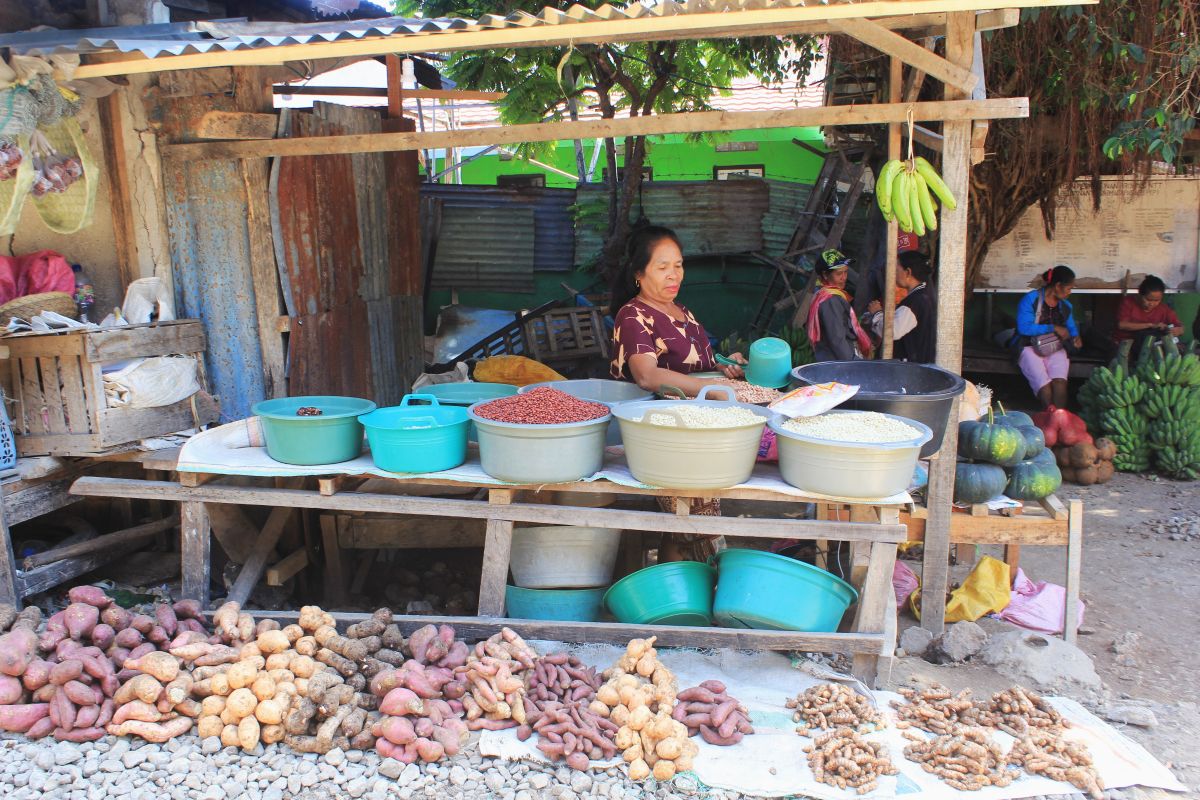
On a Sunday night in Kupang, East Nusa Tenggara, the activity at Pasar Kasih market is in full swing. Traders like Yuliana Jun, 48, spend their nights unloading vegetables such as cabbage, lettuce, and herbs brought in from various districts in Kupang and South Central Timor. Yuliana, who manages her stall alongside her young son, earns an average net profit of Rp100,000 per day, which must cover market levies and cooperative loan repayments.
Nearby, trader Yuli Bana, 50, manages a stall selling corn, mung beans, and tubers. Her business relies heavily on the flow of goods from surrounding traditional markets. Yuliana and Yuli are just two of 325 traders at Pasar Kasih, most of whom are micro-entrepreneurs operating with personal capital or small loans.
This daily economic pulse is currently being documented by the Central Bureau of Statistics (BPS) through the 2026 Economic Census (SE 2026), running from 15 June to 31 August 2026. The census process began on 1 May 2026, starting with large-scale companies via online self-reporting, followed by direct interviews with local small businesses at their homes or places of business.
Matamira B. Kale, Head of BPS NTT, stated that SE 2026 covers all business scales, from micro to large enterprises. He emphasised that data collection is conducted at the owners’ locations to prevent duplication or omissions. Data from the 2016 census revealed that NTT’s business structure is overwhelmingly dominated by micro and small enterprises, accounting for 99.45% of the 432,673 recorded business units.
According to Matamira, this dominance indicates that the NTT economy relies heavily on small-scale businesses. Consequently, the census results will serve as a foundation for government policies regarding MSME development, investment, and community empowerment programmes. He urged the public to cooperate with census officers to ensure the results accurately reflect the real economic conditions.
As a service-oriented city, Kupang cannot meet all its food requirements internally. Alfred Lakabela, Head of the Kupang City Department of Industry and Trade, explained that food supplies from other regions in NTT are the primary backbone of local trade. According to department data, there are 5,957 small and medium industries (IKM) in Kupang, ranging from food processing to furniture and household industries.
Source: jawawa.id (https://jawawa.id/newsitem/from-street-stalls-to-national-data-reading-the-peoples-economy-1785484433)
Originally published by Media Indonesia (https://mediaindonesia.com/nusantara/916838/dari-lapak-mama-mama-negara-membaca-ekonomi-rakyat), translated from Indonesian