
From Spy Chief to Prison Cell: Germany’s Biggest Intelligence Scandal?
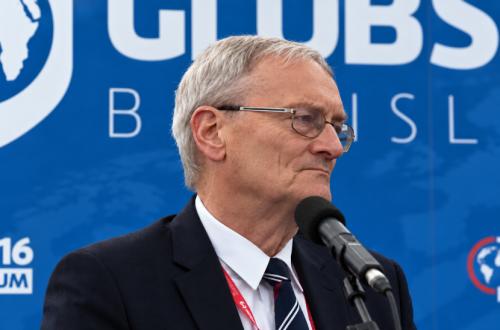
Germany has been rocked by an espionage scandal involving one of the most influential figures in the country’s modern intelligence history. August Hanning, former head of Germany’s foreign intelligence service, the Bundesnachrichtendienst (BND), has been arrested on suspicion of acquiring thousands of classified state documents and exploiting sensitive information for consultancy work, including alleged activities connected to a foreign intelligence service.
Hanning, who led the BND from 1998 to 2005, is under investigation on suspicion of espionage, collecting state secrets and attempted treason. The case involving the 80-year-old former official has raised concerns about the security of German information and the confidence of allied countries in intelligence-sharing with Berlin.
According to a joint investigation by German public broadcasters WDR and NDR and the newspaper Süddeutsche Zeitung, federal police arrested Hanning on Tuesday, 6 October 2026. Manfred D., Hanning’s former chief of staff and a trusted associate, was detained at the same time. He is suspected of supplying classified documents from inside the BND over many years.
Germany’s Federal Prosecutor’s Office said Hanning was suspected of conducting intelligence activities for a foreign power and using information to which he should not have had access after leaving government service. The investigation also covers suspected attempted treason and the collection of documents classified as state secrets.
On Wednesday, 7 October 2026, the Federal Court of Justice ordered Hanning held in pre-trial detention. The move reflects the seriousness of the allegations under investigation, but is not a ruling that the former intelligence chief is guilty.
Nearly 2,000 Classified Documents Allegedly Leaked
Tagesschau, the news service of German public broadcaster ARD, reported that investigators had uncovered the alleged transfer of almost 2,000 internal BND documents to Hanning. Manfred D. is suspected of supplying the information over several years after Hanning had left the government intelligence agency.
According to a statement issued by the Federal Prosecutor’s Office on 6 October 2026, the two suspects allegedly reached an agreement in spring 2010. Under the arrangement, Manfred D. is said to have agreed to provide important BND information on an ongoing basis in return for payment, while Hanning allegedly used it in his private security consultancy.
The transfer of documents under investigation continued until at least June 2022. Some of the documents were classified at a high level and specifically designated for internal use by Germany’s intelligence service.
Deutsche Welle reported that the documents were not merely routine administrative material. Files allegedly leaked included reports on Iran’s nuclear programme, Russian military activity and information originating from the intelligence services of countries allied with Germany.
Some documents were also said to concern intelligence briefings for the German Chancellery. The material was used at high-level security meetings involving intelligence chiefs and senior federal government officials.
These findings make the Hanning case far more sensitive than an ordinary government document leak. The information allegedly transferred relates not only to Germany’s national interests but could also include the results of intelligence co-operation with other countries.
Investigators have not, however, said that all of the documents were passed on to foreign parties. The alleged receipt and use of information by Hanning must be distinguished from proof of which documents, if any, actually left the control of the two suspects.
Alleged Use for Foreign Intelligence
One of the most serious allegations concerns the suspected use of BND information to prepare analysis for a foreign intelligence service. The Federal Prosecutor’s Office said Hanning allegedly used classified information obtained from Manfred D. to produce security reports for an employee of a foreign intelligence agency.
Prosecutors have expressly said they cannot yet establish whether the reports ultimately reached their intended recipient. The suspected transfer of state secrets to a foreign party therefore remains under investigation and has not reached a definitive legal conclusion.
The Financial Times reported on 8 October 2026 that the case had sent shockwaves through Germany’s security establishment. The alleged involvement of a former intelligence chief in trading sensitive documents could, it said, damage trust well beyond Germany’s borders.
Investigators are also examining whether Hanning used internal BND information in communications with a foreign intelligence agent. The Federal Prosecutor’s Office has not officially identified the agency or country that may have been the intended recipient.
Der Spiegel, as reported by The Guardian and El País on 11 October 2026, raised the possibility of links between the case and Azerbaijan, as well as Hanning’s contacts with figures connected to China. German investigators have not officially confirmed reports about these possible recipients.
Azerbaijan’s government rejected allegations linking the country to Hanning’s suspected espionage activities. In an official statement on 7 October 2026, the Azerbaijan Media Development Agency described the reports as unfounded and accused them of seeking to damage relations between Azerbaijan and Germany.
Meanwhile, an initial investigation by WDR, NDR and Süddeutsche Zeitung said the case handled by the Federal Prosecutor’s Office was not directly connected to Russia. Nevertheless, the allegations concerning Hanning’s international contacts require further investigation before they can be established as facts in court.