
From Shopkeeper in Petojo to Conglomerate with 23,000 Stores
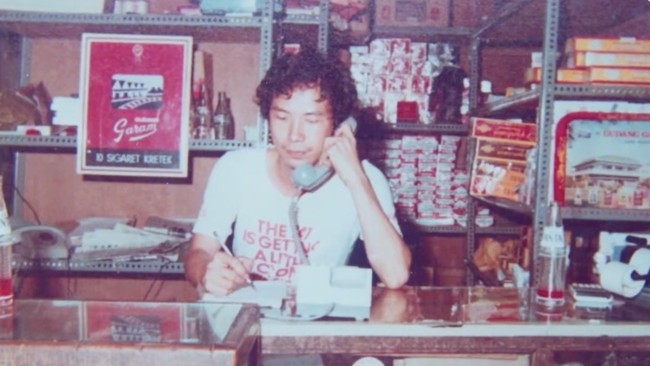
The success journey of the modern retail network Alfamart in Indonesia was not achieved overnight. Behind the success of the minimarket chain, which now possesses more than 23,000 outlets, lies the struggle of its founder, Djoko Susanto, who built his business empire from the ground up.
Long before becoming one of the most influential retail tycoons in the country, the man born as Kwok Kwie Fo spent his childhood helping his mother manage a simple grocery stall in the Petojo area, Central Jakarta. From a young age, he was well-acquainted with the world of trade. After briefly attempting his luck working in a radio assembly company, Djoko decided to return to the trading path to continue and assist the family business. This decision served as the initial stepping stone for his business career.
Armed with the experience of managing a grocery store named Toko Sumber Bahagia, Djoko learned the intricacies of business from scratch—from serving customers and arranging merchandise to guarding the shop every day. The stall initially sold various daily necessities such as peanuts, vegetable oil, soap, and cigarettes.
Over time, the sales focus shifted and began to dominate large-scale cigarette commodities, partnering with the giant manufacturer Gudang Garam as a primary partner. This move yielded sweet results. According to historian Sam Setyautama in the book ‘Tokoh-Tokoh Etnis Tionhua Di Indonesia’ (2008), Djoko had even managed 15 wholesale store networks and was named the largest cigarette seller for Gudang Garam products in 1987.
Djoko’s impressive performance in marketing tobacco products caught the attention of the leadership of PT HM Sampoerna, Putera Sampoerna, in late 1986. This meeting completely changed the course of his life. “He was appointed as the sales director of PT Sampoerna, which brought PT HM Sampoerna to the second largest rank after Gudang Garam,” wrote Sam Setyautama.
Due to his managerial prowess, Djoko was also trusted to hold the position of director at PT Panarmas, the main distributor for Sampoerna cigarettes. It was here that he played a part in launching the legendary brand Sampoermina A Mild in 1989. In the same year, Djoko founded PT Alfa Retailindo by transforming a Sampoerna warehouse on Jalan Lodan Number 80 into a wholesale centre.
“With a capital of Rp2 billion, the warehouse was transformed into Toko Gudang Rabat, with 40% of the shares owned by Putera Sampoerna, and the remainder owned by Kwok Kwie Fo (alias Djoko Susanto),” wrote Sam Setyautama.
Toko Gudang Rabat slowly evolved from being merely a cigarette distributor into a modern grocery store providing various daily needs for the wider community. Entering the 1990s, this wholesale store network had 32 outlets and competed closely with Indomaret under the Salim Group.
On 18 October 1999, the business concept officially transformed into Alfa Minimart under the auspices of PT Sumber Alfaria Trijaya. Its first outlet opened on Jalan Beringin Raya, Tangerang, with a minimarket concept that was easily accessible within residential areas.
The highly positive market response caused this business expansion to accelerate rapidly, eventually leading the company to go public on 18 January 2000. Alfa’s market capitalisation at that time was estimated to reach US$108.29 million.
Exactly on 1 January 2003, the name Alfa Minimart officially changed to Alfamart. Thanks to further capital injections from Putera Sampoerna and a massive expansion strategy, Alfamart has continued to grow rapidly. Today, under the Alfamart Group umbrella, the retail business network operates more than 23,000 outlets across Indonesia, including through its flagship subsidiaries such as Alfamidi and Lawson.
Source: jawawa.id (https://jawawa.id/newsitem/from-shopkeeper-in-petojo-to-conglomerate-with-23-000-stores-1790502739)
Originally published by CNBC Indonesia (https://www.cnbcindonesia.com/market/20260927122915-17-771211/dulu-penjaga-warung-di-petojo-sekarang-konglomerat-punya-23000-toko), translated from Indonesian