
From Selling Fireworks, This Figure Now Becomes the 'King of Cigarettes' in Indonesia
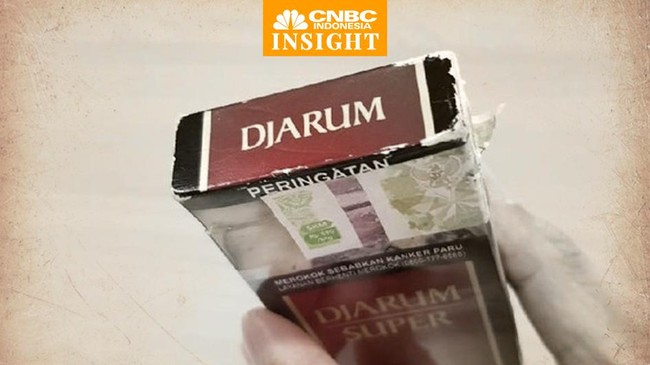
Jakarta, CNBC Indonesia - Oei Wie Gwan is widely known as the figure behind the success of one of Indonesia’s largest tobacco companies, Djarum. However, his business journey did not begin directly in the cigarette industry.
Initially, he started a fireworks business under the brand ‘Leo’. Jongki Tio in Kota Semarang Dalam Kenangan (2000:60) mentions that Leo-branded firecrackers were also exported abroad.
The fireworks business carried significant risks. Bataviaasch Nieuwsblad (28/1/1938) reported that Oei Wie Gwan’s fireworks factory in Rembang exploded, killing five workers instantly, with 22 seriously injured and 14 lightly injured. Among those seriously injured, nine died in the hospital.
Oei Wie Gwan then chose a new path after the war between Indonesia and the Netherlands subsided. He shifted his focus to cigarettes, although the product still required burning for customers to enjoy.
In 1951, Oei Wie Gwan purchased a small kretek (Indonesian clove cigarette) factory in Kudus. Initially named Djarum Gramophon, he later shortened it to Djarum. The factory was located at Jalan Bitingan Baru number 28 (now Jalan Ahmad Yani), Kudus, Central Java.
As with his previous business, fire again caused trouble and disrupted Oei Wie Gwan’s cigarette business. “In 1963, a major fire occurred that almost destroyed the company,” wrote Rudi Badil in Kretek Jawa (2011:35). This event was followed by the death of Oei Wie Gwan.
Despite this, Oei Wie Gwan’s cigarette business was not abandoned by his children. His two sons, who had adopted Indonesian names, Michael Bambang Hartono and Robert Budi Hartono, according to Rudi Badil, “managed to restore the situation,” allowing Djarum cigarettes to compete in the market.
The two sons of Oei Wie Gwan, according to Mark Hanusz in Kretek: The Culture and Heritage of Indonesia’s Clove Cigarettes (2000:136&142), even established a research and development department related to their products since 1970 and used machines to increase production. This shows that they were serious about their family business.
After Oei Wie Gwan’s death, the Djarum cigarette company innovated. They marketed filtered kretek cigarettes starting in 1976, and in 1981, they launched Djarum Super. The latter brand remains popular to this day.
Kudus, which had previously thrived with the Tiga Bal cigarette brand during the time of Nitisemito, saw its kretek industry further enlivened by Djarum under the leadership of Oei Wie Gwan’s children. They established PB Djarum in the city and fostered badminton athletes through their cigarette business.
The cigarette business propelled Oei Wie Gwan’s children to become conglomerates. They ventured into electronics (Polytron), plantations (HPI Argo), shopping centers (Grand Indonesia), e-commerce (Blibli), online travel agencies (tiket.com), and in banking, they became owners of Bank Central Asia (BCA).
Interestingly, the initial owner of BCA also once lived in Kudus. Richard Borsuk and Nancy Chng in Liem Sioe Liong dan Salim Group (2016:87) mention that Liem and Oei Wie Gwan were old friends.