
From petrol to groceries, price rises burden US consumers
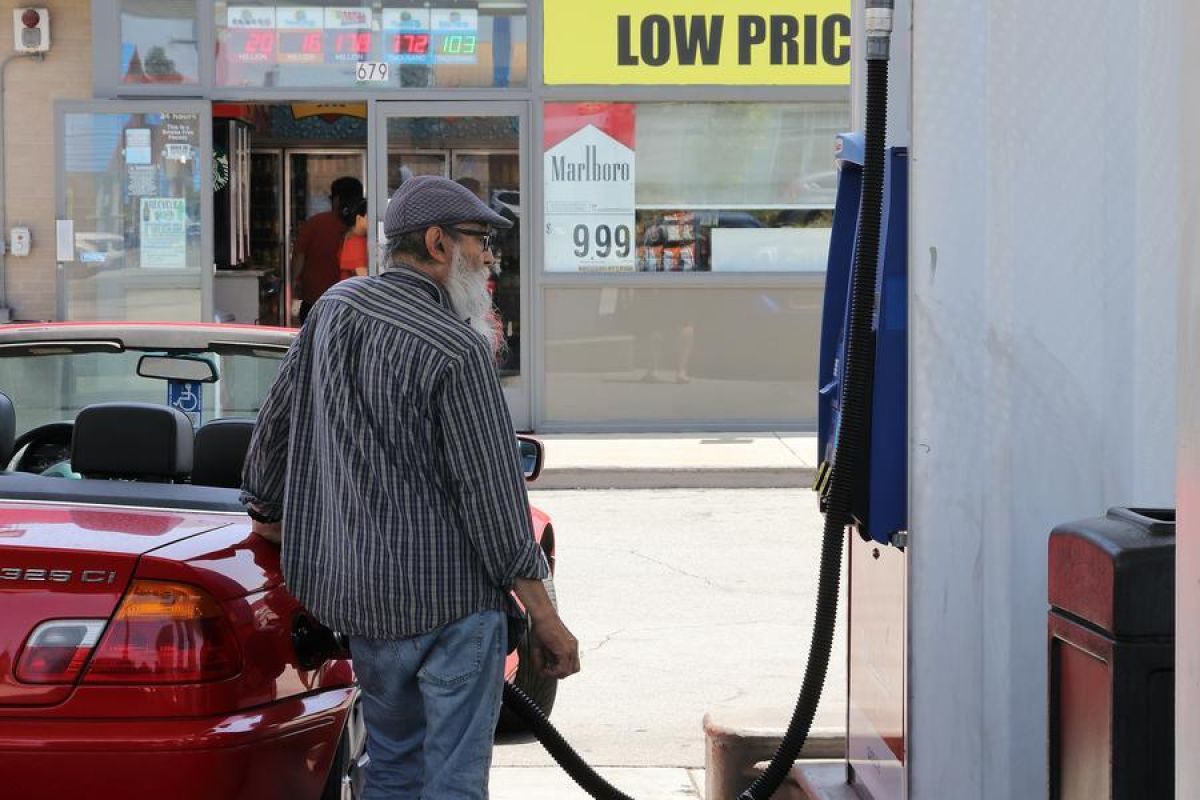
Los Angeles – US residents are now having to dig deeper into their pockets to buy groceries, petrol, and other daily necessities as inflation climbs again. Economists say geopolitical conflicts and energy-supply disruptions are among the main drivers of rising living costs.
New data from the US Bureau of Labor Statistics (BLS) show the Consumer Price Index (CPI), the principal inflation gauge, rising 3.8% in the 12 months to April, the fastest annual pace since 2023.
Monthly inflation rose 0.6% in April, while energy prices surged and food prices continued to creep higher, fuelling consumer discontent.
‘Everything’s more expensive now,’ said Maxi Baker, a Glendale resident, to Xinhua, reflecting growing consumer concerns about price increases that are hitting almost every item. ‘Food, petrol, clothing, rent, everything is up,’ the mother of two said.
Economists say one of the biggest contributors to inflation is the jump in energy costs linked to the conflict in the Middle East and disruptions to oil shipments via the Strait of Hormuz, one of the world’s key energy corridors.
The energy index rose 17.9% in the 12 months to April, while petrol prices jumped 28.4%, according to the BLS, adding that energy commodities accounted for more than 40% of the monthly rise in inflation in April.
According to the American Automobile Association, the national average price of petrol has risen above $4.50 per gallon.
The rise in fuel prices has wide implications for the economy given that transport costs affect nearly every consumer product, from groceries to shipping and air travel.
Economists have long argued that energy inflation acts as a tax on consumers. When the cost of transporting goods rises, supermarkets and retailers often pass on those increases to customers.
Food prices have also come under pressure.
The BLS reported that the food-at-home index, which measures inflation for groceries, rose 0.7% in April alone. Beef, coffee, fruit, and vegetables recorded significant increases, according to inflation analysis.
For low- and middle-income households, grocery spending consumes a large share of their income, so even small increases can significantly alter budgets and trim family discretionary spending.
Meanwhile, housing costs, another major component of inflation, continued to rise. The BLS noted that both the Owner’s Equivalent Rent index and the Rent index rose 0.5% in April.
What is perhaps most worrying for consumers today is that inflation appears to be moving ahead of income growth.
Real hourly earnings for all employees fell 0.5% from March to April, and were 0.3% lower than April 2025, according to the BLS. That means purchasing power is shrinking even as nominal wages rise.
When wages fail to keep pace with price increases, households often have to compensate by cutting discretionary spending, increasing credit use, or delaying big purchases.
‘Everything’s more expensive. My money isn’t enough to cover needs any more. Somehow I will have to make up the shortfall,’ said Denise Cohn, a retail worker in Los Angeles.