
From Petrodollar to Programmable Dollar: Lessons from the Strait of Hormuz
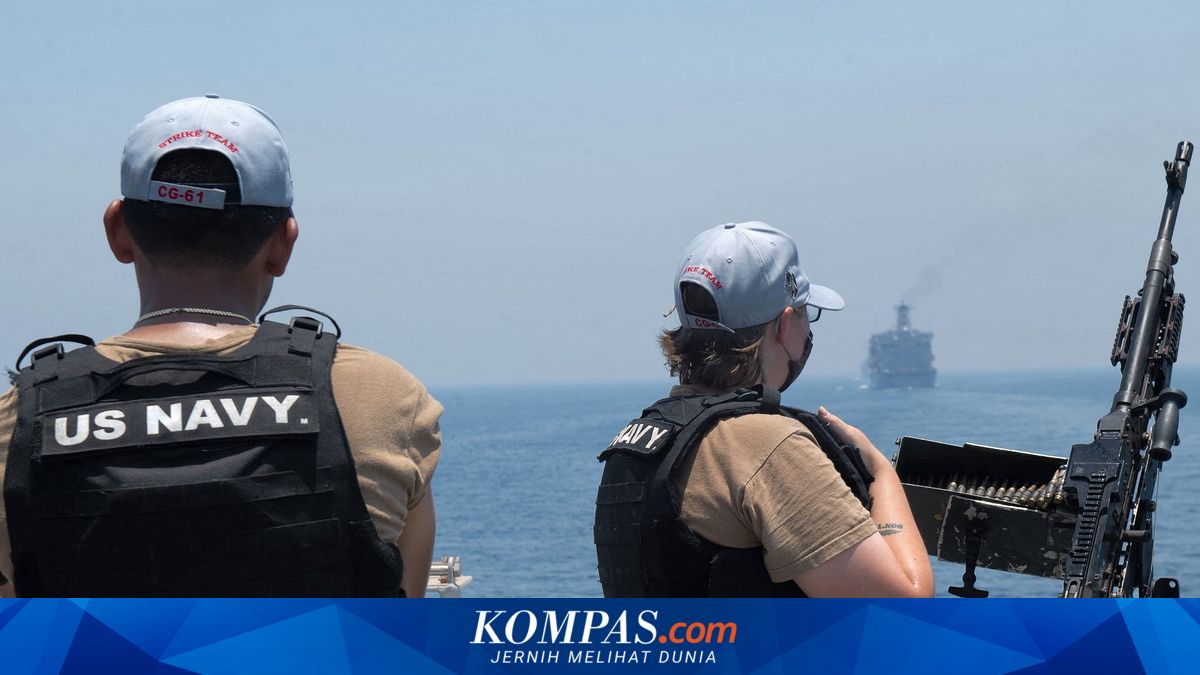
Throughout the history of the world economy, global power has almost always rested on three main nodes: energy, trade routes, and the dominant currency. When these three converge, an international economic architecture is born that can determine the direction of growth, inflation, and even political stability across countries. In the second half of the 20th century, the world knew it by one great name: the petrodollar. Since the 1970s, global oil trade has been settled almost entirely in US dollars. Every tanker ship moving from the Persian Gulf to Asia, Europe, or America ultimately strengthens the dollar’s dominance as the world’s reserve currency. The Strait of Hormuz, the narrow waterway connecting the Persian Gulf to the Arabian Sea, has become the main artery of that system. About one-fifth of the world’s oil trade passes through this route, making it one of the most strategic chokepoints in global energy geopolitics. Recent reports indicate that Iran has begun implementing transit levies for tanker ships crossing the Strait of Hormuz, with a payment scheme that can be made through digital assets, including stablecoins and certain crypto instruments. There is even a tariff scheme of around 1 US dollar per barrel, which turns the Strait of Hormuz not only into an energy chokepoint but also increasingly into a new monetary chokepoint. It is at this point that the world witnesses a historic shift: from the petrodollar to the programmable dollar. The hegemonic stability theory developed by Charles Kindleberger explains that the international economic order requires a dominant power that provides the primary currency, liquidity, and global payment infrastructure. In the modern context, that role is played by the United States through a combination of the dollar, Treasury markets, international banking networks, and the SWIFT system. The dollar is not merely a medium of exchange but an instrument of power. Through dollar dominance, the United States is able to influence trade flows, global funding costs, and the effectiveness of economic sanctions. It is in this context that the petrodollar has become the foundation of geopolitics for decades: oil is traded in dollars, foreign exchange reserves are held in dollars, and cross-border transactions pass through dollar infrastructure.