
From Paper Tickets to Access by KAI: The Ticketing Transformation Journey That Keeps Up With the Times
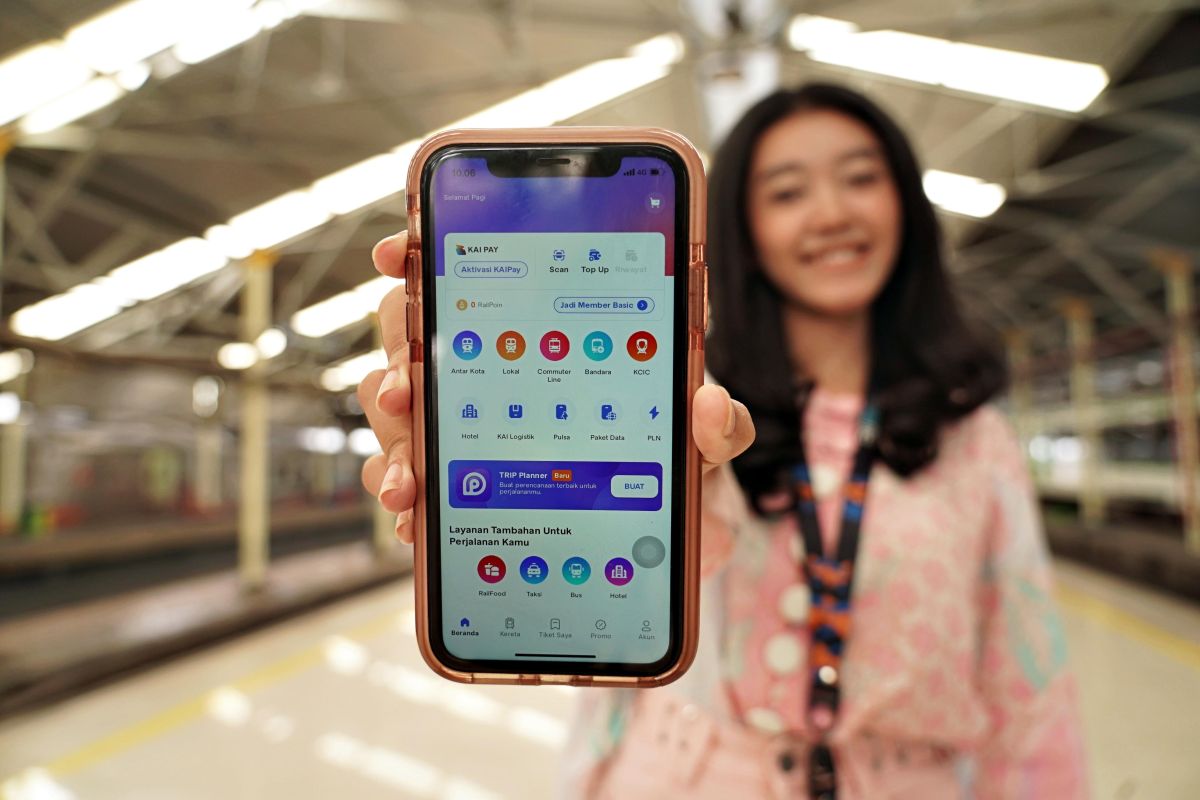
There was a time when buying a train ticket was part of the journey itself. Prospective passengers would arrive early at the station, queue at the counter, wait their turn to be served, and then take home a paper ticket as proof of travel. For many Indonesians, the bustling counter atmosphere and the sound of the date stamp on the ticket are memories embedded in the history of railways. As public mobility needs increased, the service system began to adapt. Entering 2010, KAI implemented computerised counters and a more modern booking system. During the same period, the number of passengers was matched to seating capacity, making journeys more orderly, safe, and comfortable. These changes also altered the face of railway services, which had previously been synonymous with long queues and passenger overcrowding. The development of internet technology then opened new opportunities in ticketing services. Between 2012 and 2014, passengers began to book tickets online through KAI’s official website and various sales partners. Simultaneously, an electronic boarding pass system was introduced, allowing passengers to check in independently via Check-in Counters before entering the departure area. As smartphone use became more widespread, the way people bought tickets underwent further change. In 2015, KAI launched the KAI Access application, enabling passengers to search schedules, choose seats, and complete payments via their mobile phones. A process that previously required passengers to come to the station could now be done from various locations in a matter of minutes. The shift in passenger behaviour, increasingly relying on digital services, then spurred broader development. KAI Access was continuously refined until it evolved into Access by KAI. The application has grown into a platform that helps passengers plan journeys more easily through various integrated services within a single digital ecosystem. Vice President of Corporate Communication at KAI, Anne Purba, said that the journey of KAI’s ticketing transformation over more than a decade is part of the company’s effort to keep up with the evolving needs of its customers. ‘KAI’s ticketing transformation has followed the changes in how people plan their journeys. From buying tickets at a counter to ordering through an app, the entire process shows how railway services continue to adapt to be more easily accessible to passengers,’ said Anne. This change is evident from the high usage of Access by KAI by the public. From January to May 2026, the application was used by 29.8 million customers. During the same period, the number of premium members reached 4.8 million users. This figure shows the growing trust passengers place in the digital services developed by KAI. This trust is also reflected in ticket sales patterns during 2026. A total of 73.98 percent of transactions for main and local train tickets were made through Access by KAI. Sales through KAI’s various official partners contributed 17.12 percent, station counters 7.96 percent, the KAI website 0.49 percent, vending machines 0.43 percent, and the 121 Contact Centre 0.02 percent. The data shows that the application has become the primary choice for passengers making travel transactions. High app usage encourages KAI to continue introducing various service enhancements. One of them is the Recent Search feature, which helps passengers re-access previous travel searches. KAI has also updated the schedule display and filters to make the journey search process faster and easier to use. Further development comes through the Select Date and Trip feature, which helps passengers manage round-trip journeys in a single booking flow. This feature makes the journey planning process more practical because passengers can arrange departure and return simultaneously. This convenience is complemented by the Train Details feature, which provides more comprehensive information about the chosen journey. Passengers can view train facilities, seat configurations, and various travel details before completing a transaction. The availability of more complete information helps passengers make travel choices according to their needs. The service transformation is also present in the departure process at stations. If ticket and identity checks were previously done manually, now several major stations have implemented Face Recognition Boarding Gate technology, available at 21 stations. Through this technology, passengers can complete the boarding process using facial scans, making the journey faster and smoother. Anne added that KAI’s ticketing transformation journey will continue along with changes in public needs and technological developments. ‘The development of digital services will continue to be KAI’s focus so that journeys become easier, faster, and more practical. However, we still provide ticket purchase services at some stations to accommodate the needs of the elderly, persons with disabilities, children, and passengers who require assistance,’ concluded Anne.