
From Negligence to Systematic: The Agony of Child Abuse in Indonesian Daycares
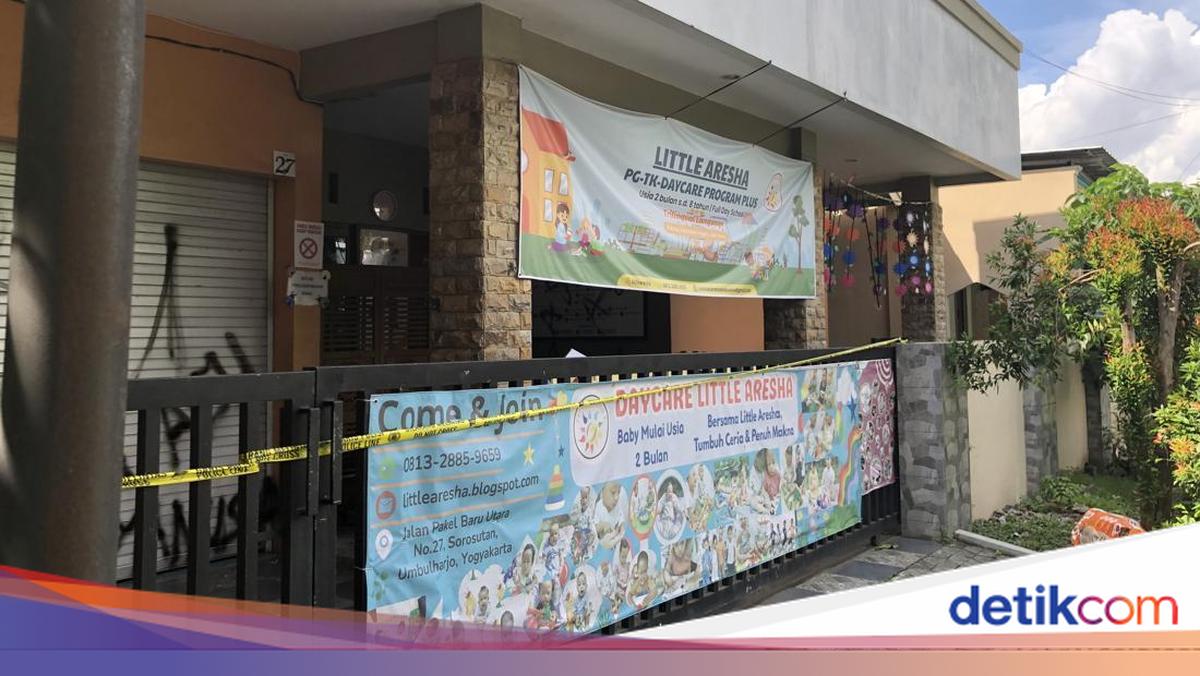
Cases of violence in daycares that have occurred consecutively over the past three years are seen not as separate incidents, but as a reflection of the failure of the child protection system in Indonesia. The incident at Little Aresha in Yogyakarta is hoped to be a turning point so that similar events do not recur.
This was stated by law lecturer from Unesa Campus 5, Kharizha Krishnandya, in her analysis of the problematic daycare phenomenon in several regions.
In her study, Kharizha highlights three major cases that occurred in three consecutive years: Wensen School in Depok in 2024, Mami Daycare in Surabaya in 2025, and Little Aresha in Yogyakarta in 2026.
“From a one-year-old toddler covered in wounds because there was no CCTV, to 53 children whose hands were tied on management instructions. These are not separate incidents. This is a pattern. And this pattern can only persist because the system allows it,” said Kharizha at the start of her study on Tuesday (28/4/2026).
She explained that the Surabaya case shows another side of the problem, namely negligence in supervision, where a one-year-old victim was left with older children and later found to have several wounds. There was no CCTV there. The case ended amicably, which is seen as potentially eliminating legal accountability in the public sphere.
“What is most concerning about the Surabaya case is the precedent of ‘amicable settlement’, where the victim receives individual compensation, but the perpetrators avoid public legal accountability. The daycare was closed, but there was no criminal process that sets standards for other perpetrators,” said Kharizha.
Meanwhile, the Yogyakarta case shows escalation, where if the system continues to allow daycares without standards, violence does not stop at negligence but transforms into structured practices of torture and violence,” she added.
According to Kharizha, this recurring pattern occurs due to structural failures. One of them is the absence of national standards regulating daycare operations, from caregiver-to-child ratios, maximum capacity, to supervision requirements such as CCTV.
In addition, government oversight is still seen as administrative rather than substantive. Many daycares are only addressed after their cases go viral on social media, not through early detection by the oversight system.
“The Ministry of Women’s Empowerment and Child Protection, Ministry of Education and Culture, Ministry of Social Affairs, Ministry of Religious Affairs, city governments, and police all move after cases are exposed. There is no single authority with a prevention mandate. Deputy of the Coordinating Ministry for Human Development and Culture Woro Srihastuti calls this the biggest homework in implementing the Child Rights Law,” she emphasised.
“The state can no longer be passive in child care matters. If the state allows daycares to develop without strict standards, then the state delegates child protection responsibility to market mechanisms, and the market does not always side with humanity,” she added.
From a legal perspective, these cases fall into layered violations, from child violence, neglect, to violations of children’s rights to safe care. However, law enforcement implementation is seen as not yet providing strong deterrence.
“The Yogyakarta case must be a turning point. The Surabaya case that ended amicably and disappeared from the public radar must be a reminder that without structural reform, violence in daycares will continue to appear in various forms,” she said.
Further, Kharizha assesses that from a victimology perspective, children in daycare cases are not only direct victims, but also structural victims due to the weakness of licensing and oversight systems. In addition, children also become relational victims because the perpetrators are people trusted by parents, then also become repeated victims because it is not just once, and also become victims of asymmetric information systems like in the Surabaya case where photos of the child’s wounds were filtered to not look severe.
“Children are at risk of long-term trauma, psychological development disorders, and distrust of the social environment. The five demands agreed upon in the Surabaya case, including funding for psychological therapy, is an implicit acknowledgment that the damage goes beyond what is visible.” she said.
On the other hand, limited access to safe and affordable daycares leaves many parents with no choice. High daycare costs and the scarcity of quality facilities force some communities to use services without adequate standards.
“For those who can afford affordable daycares, the choices are often unlicensed daycares, without standards, without CCTV. Not because parents do not care about quality, but because quality daycares are not affordable with their daily income,” she explained.
Kharizha emphasised the need for comprehensive reform, starting from the establishment of national daycare standards, strengthening oversight, to providing subsidies so that child care services can be accessed widely and safely.
“Issue a Government Regulation implementing the Child Rights Law that establishes national daycare standards including caregiver-child ratios, maximum capacity, mandatory CCTV in all rooms, caregiver qualifications, and real-time transparency mechanisms for parents. Establish clear administrative and criminal sanctions for business owners who do not provide daycares in accordance with the Child Rights Law, including fines and business licence revocation,” explained Kharizha about the regulations that should be issued by the government.
She also stressed the importance of public accountability in every child violence case, so that amicable settlements that obscure legal responsibility no longer occur.
“When parents have to rely on virality for justice to move, it signals that the child protection system has failed,” she emphasised.
For information, the Little Aresha Daycare case is quite heartbreaking because 53 children became victims of violence. Police have named 13 suspects from the foundation owner, school principal, and caregivers.
Source: jawawa.id (https://jawawa.id/newsitem/from-negligence-to-systematic-the-agony-of-child-abuse-in-indonesian-daycares-1777366328)
Originally published by detikJogja (https://www.detik.com/jogja/berita/d-8465371/dari-lalai-ke-sistematis-nestapa-kekekerasan-anak-di-daycare-indonesia), translated from Indonesian