
From Mud to Hope: Disaster Survivors: We Are Back, This Is Our Home
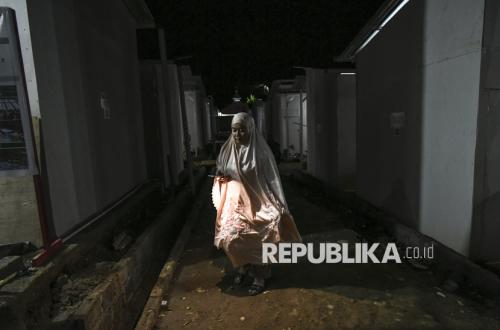
Morning in Tetingi Village arrives with a different kind of silence. A thin mist hangs between the pines, leaving behind the scent of damp earth that has not yet fully recovered from its wounds. In the distance, the sound of hammer meeting wood rings out rhythmically, like a prayer struck slowly. In this place, life does not truly stop; it merely gets swept away by the current for a time, then attempts to return, step by step. In Aceh Tamiang Regency, similar stories grow from houses that were once buried in mud. Muhammad Hendra still remembers how the floor of his home disappeared under deposits more than a metre high. He and his family evacuated, waiting for the right time while gathering the courage to return. For more than a month and a half, he cleared the mud, repaired the roof, replaced the ceiling, until finally the house was habitable again. All of this was done at his own expense, from selling his wife’s gold and borrowing from family. The promised aid has yet to arrive, while daily needs cannot wait. Yet, behind it all, there is a steadfastness that is not easily broken. “We returned because this is our home,” he said softly. From Aceh Tamiang to Tetingi in Gayo Lues, the landscape changes, but the story is similar. The old village, which grew along the river tributaries in the Alas Watershed, has long been in harmony with nature while bearing its risks. Cold temperatures, raging rapids, and mountainous terrain are everyday realities. But when rain falls without respite and the river overflows, that balance collapses in an instant. A total of 418 people were affected. Houses were destroyed, roads cut off, and electricity cut. Residents endured in simple shacks, accompanied by campfires and clothes clinging to their bodies. During those days, life seemed to revert to its most primal form, surviving and waiting. Help arrived less than ten days later. Alternative roads were opened, bridges repaired, and electricity restored. Slowly, the village that had been cut off from the world reconnected. Three months of emergency response passed, leaving tangible traces of reconstruction: houses standing, schools cleaned, and hope beginning to grow. However, behind this revival lies an invisible anxiety. On a scorching afternoon, Salim, a survivor, stands in front of his new semi-permanent home, built from the remnants of materials swept away by the flood. He chose not to live in the temporary housing provided by the government. Not out of reluctance, but because of the rumours circulating. There are conditions, he said; every family head is asked to pay a sum of money to receive the key to the temporary housing. The rumour spread quickly, like news finding its own path amid uncertainty. When officials arrived, the previously displayed announcement suddenly disappeared. All that remains is suspicion.