
From Local Elections to Prison: The High Cost of Local Politics
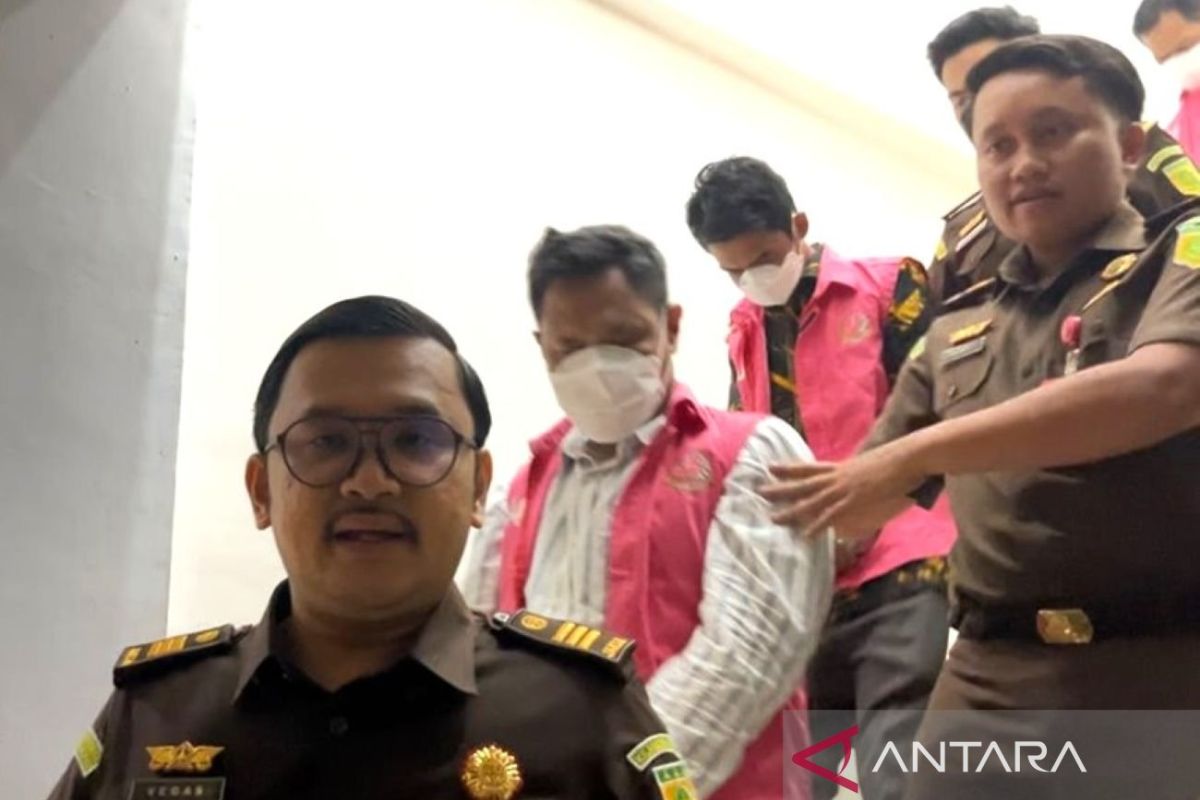
In local politics studies, the failure of political parties to implement integrity-based cadre development is one of the main factors behind various deviations in regional governance. Jakarta (ANTARA) - Local democracy in Indonesia continues to show intriguing dynamics. Regional head elections (pilkada) serve as a crucial arena for the emergence of leaders expected to bring change and enhance public welfare. In various regions, development progresses steadily, public services improve, and governmental innovations begin to flourish. However, behind these achievements lie challenges that cannot be ignored. In the early months of 2026, the public is once again confronted with several legal cases involving regional heads, following a relatively similar pattern: alleged project bribes, job-selling practices, and demands for “fees” from entrepreneurs. For instance, the case ensnaring the Regent of Pati, Sudewo, points to alleged extortion and the buying and selling of village apparatus positions worth hundreds of millions of rupiah per post. In Pekalongan, Regent Fadia Arafiq is suspected of involvement in arranging outsourcing service projects within the local government, shadowed by conflicts of interest due to ties with family circles. In Bengkulu, the Regent of Rejang Lebong, Muhammad Fikri Thobari, is caught in allegations of bribes for regional development projects. Meanwhile, Cilacap Regent Syamsul Auliya Rachman was also arrested in connection with alleged receipt of project fees. The pattern repeats: government projects turn into fields of political rent-seeking. This series of events reveals an important common thread worth reflecting upon. Political power is no longer solely used to manage governance but is potentially misused as an entry point to accumulate economic gains. At this point, we can no longer view regional head corruption as merely an individual deviation. It is more accurately understood as a symptom of broader issues in local political governance. Public office is gradually shifting in meaning, from a mandate of service to an instrument for political investment recovery. The core problem lies in the logic that has quietly strengthened in local political practice: “breaking even.” In the context of pilkada, the extremely high contestation costs create structural pressure on elected candidates. These costs encompass not only formal campaigns but also expenses for securing party support, political logistics, and even transactional practices at the grassroots level. When victory is achieved through substantial costs, post-election power tends to be positioned as a space to recover capital while generating political and economic profits. As a result, public policy experiences distortion. Development projects are no longer fully based on community needs but on rent potential. Bureaucratic positions are traded, and permits become political commodities. However, stopping at the analysis of “the high cost of politics” is insufficient. The deeper root of the problem lies in the institutional failure of political parties. In modern democracy, parties should serve as spaces for cadre development, where leaders with integrity and capacity are born. Unfortunately, in local political practice, this function has not yet operated optimally. In many cases, parties still emphasise electability and financial strength over the integrity and capacity of candidates.
Source: jawawa.id (https://jawawa.id/newsitem/from-local-elections-to-prison-the-high-cost-of-local-politics-1775123458)
Originally published by Antara (Indonesian) (https://www.antaranews.com/berita/5507397/dari-pilkada-ke-penjara-mahalnya-ongkos-politik-lokal), translated from Indonesian