
From Jefferson, Admirer of the Quran, to Trump: How US Views on Islam Have Changed
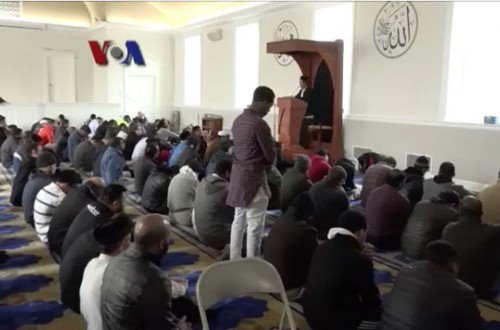
As the United States commemorates the 250th anniversary of its founding, it is fitting to reflect on how American democratic principles—such as religious freedom and protection from discrimination—have been applied to the experience of Muslim Americans in the 21st century. Muslims have been an integral and inseparable part of America’s history, founding, and development. However, most Americans are unaware that Muslims were present in the territory of America long before the country gained independence from Britain. In fact, many African slaves brought to America during the era of slavery were adherents of Islam. Historians estimate that approximately 15 to 30 percent of the slaves transported across the Atlantic Ocean came from Muslim-majority regions in West Africa. Many of them were educated individuals. Unlike most other slaves, a significant number were able to read and write in Arabic. These African slaves were forced by their Christian masters to abandon Islam. Nevertheless, many continued to practise their religious teachings in secret, particularly regarding dietary matters, such as avoiding pork and alcohol, celebrating major religious holidays, and maintaining their traditional dress as far as possible. Not many Americans realise that Thomas Jefferson was once influenced by the Quran. Driven by his curiosity about the legal systems of various civilisations, he purchased an English translation of the Quran while studying law in Williamsburg, Virginia.