
From Historical Footprints to Urban Futures: KAI Develops the Role of Stations as Indonesia's Mobility Hubs
Throughout 159 years of Indonesian railway history, rail lines have been integral to the development of various cities across the nation. Tracks originally built to connect community activity centres have evolved into a transport network that supports travel, economic activities, and regional growth.
Stations have become spaces that record these changes. Moving beyond mere points of departure and arrival, stations are evolving into hubs for public mobility, economic activity, and inter-regional connectivity.
This phenomenon is evident in major global cities. Tokyo, London, and Paris demonstrate how areas surrounding stations develop into urban activity centres through the integration of transport, business districts, residential areas, trade, and public spaces. This approach is known as Transit Oriented Development (TOD), a method of developing areas that connects public transport with various community activities.
The development of these global cities shows that rail-based transport has a close relationship with regional growth. As transport access becomes more connected, community and economic activities in the surrounding areas evolve to meet modern demands.
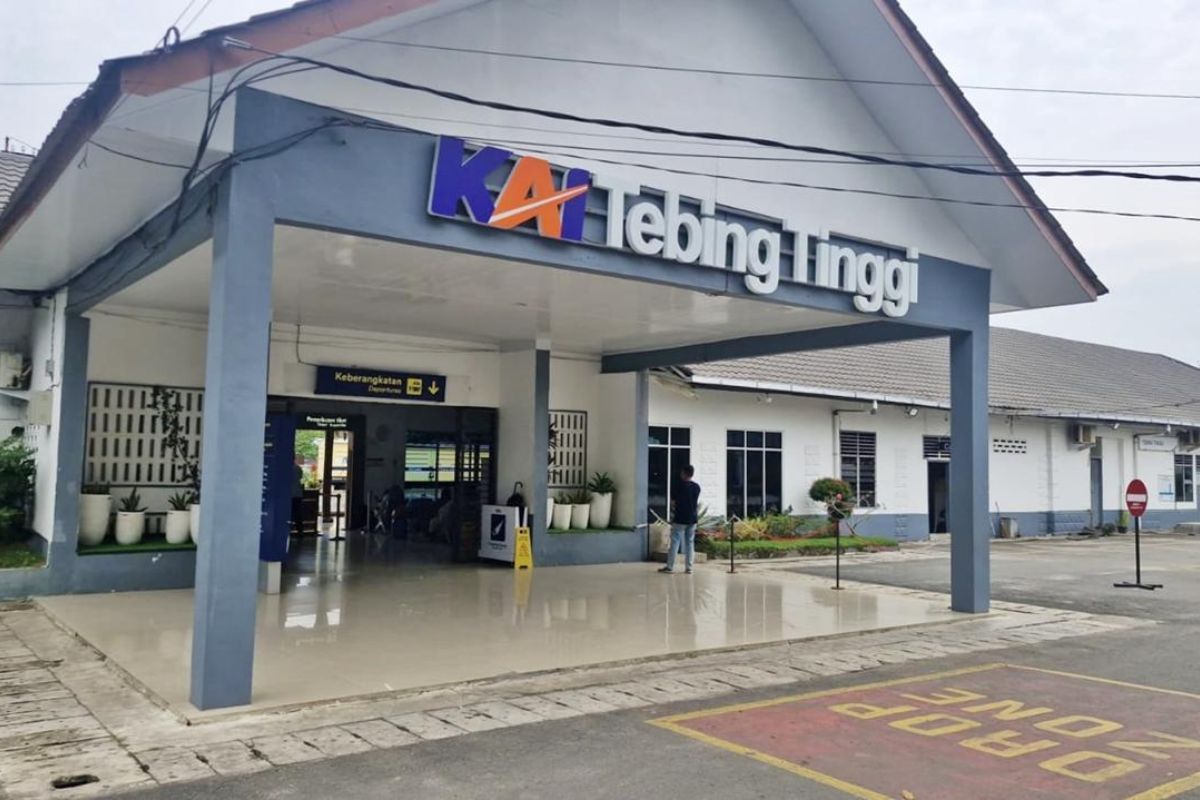
In Indonesia, the link between railways and regional development is visible in various cities, each with a unique history alongside the rail lines. In South Sumatra, Lubuk Linggau Station is part of the community’s journey in the western region of South Sumatra, supporting connectivity and linking regional activities to the rail network. In North Sumatra, Tebing Tinggi Station serves as a key transit point in the East Coast of Sumatra, supporting inter-regional connections and growing community activities.
Meanwhile, Madiun Station maintains a close relationship with the development of Indonesian railways. In addition to being part of the rail route in southern Java, Madiun is linked to the long-standing national railway industry. At the eastern tip of Java, Ketapang Banyuwangi Station plays a vital role in travel towards eastern East Java and connectivity to Bali. The integration between rail and other transport modes makes this area essential for public travel and economic activity.
A similar pattern is seen at Cikampek Station, located on the connecting route between Jakarta, West Java, and Central Java. The development of industrial areas and community activities in its vicinity makes transport connectivity a crucial component in supporting regional mobility.
Anne Purba, Vice President of Corporate Communication at KAI, stated that the history of various cities alongside the railway demonstrates the close link between transport and regional development. “Railways have a long journey alongside various cities in Indonesia. Every station holds stories regarding community mobility, economic activity, and regional development. Moving forward, KAI continues to develop railway services that are increasingly connected to community needs and regional development,” said Anne.
According to Anne, the development of global cities shows that stations play an increasingly broad role in supporting public mobility. This serves as a reference for KAI in developing services, transport integration, station facilities, and the management of railway-supporting areas.
This development aligns with KAI’s strategic direction in its Corporate Long-Term Plan (RJPP) to provide railway services that are integrated with community needs, regional development, and ever-changing mobility patterns.
KAI data shows that KAI Group services served 351,602,397 passengers throughout January–August 2026, an increase of 7.09 per cent compared to the same period in 2025, which saw 328,311,868 passengers. Of this total, 317.7 million passengers, or 90.29 per cent, utilised public services through the Public Service Obligation (PSO) scheme and pioneer services.
The growth in rail-based transport usage demonstrates the increasing importance of railways in supporting community activities across various regions of Indonesia. From historical footprints to future directions, KAI continues to develop the role of stations as part of the journey of Indonesian cities and public mobility.
Source: jawawa.id (https://jawawa.id/newsitem/from-historical-footprints-to-urban-futures-kai-develops-the-role-of-stations-as-indonesias-mobility-hubs-1789053847)
Originally published by Antara (Indonesian) (https://www.antaranews.com/berita/5735583/dari-jejak-sejarah-hingga-masa-depan-kota-kai-kembangkan-peran-stasiun-sebagai-pusat-mobilitas-indonesia), translated from Indonesian