
From Fuel Crisis to Energy Sovereignty: Nickel Downstreaming as the Way Out
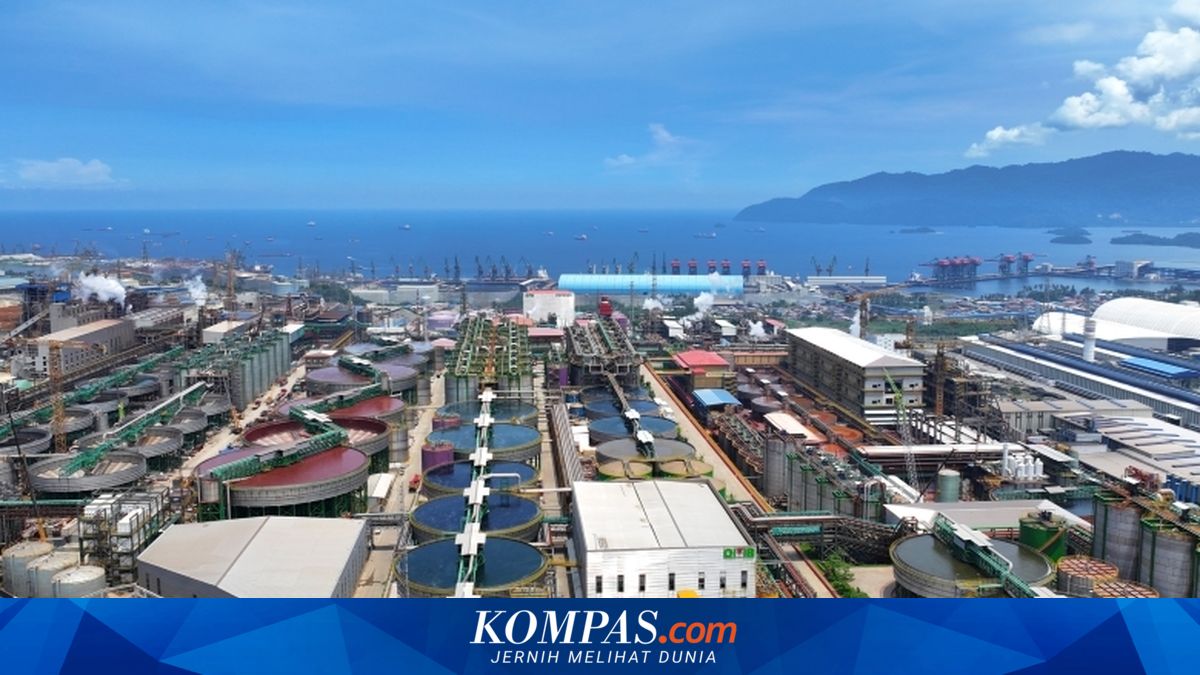
JAKARTA, KOMPAS.com - Global uncertainties in petroleum fuel (BBM) supply and volatility in world oil prices are seen as an opportunity for Indonesia to accelerate nickel downstreaming, which serves as a pillar for the electric vehicle (EV) battery ecosystem.
According to the Head of External Relations for the Indonesian Nickel Industry Forum (FINI), Mordekhai Aruan, the current global energy situation further strengthens the urgency of building a domestic nickel-based EV supply chain.
Moreover, Indonesia possesses strong strategic assets through its abundant nickel reserves, the main commodity in electric vehicle battery production.
He assessed that the national nickel industry has developed significantly over the past five years.
The products generated are no longer limited to nickel pig iron (NPI), but have entered high-value products such as MHP, nickel sulphate, cobalt sulphate, and precursor cathode active material (PCAM). This development is seen as strengthening Indonesia’s position in the global EV supply chain, especially amid the world’s need for battery materials.
“Indonesia is currently in a very strategic position in the global EV supply chain,” he said.
This advantage is supported by the large national nickel reserves and investments in processing technology, particularly high pressure acid leach (HPAL)-based smelters, which form the backbone of high-class EV battery raw material production.
On the industry side, PT QMB New Energy Materials, a subsidiary of GEM, is further strengthening the supply chain through the production of Mixed Hydroxide Precipitate (MHP) with a capacity of 150,000 tonnes per year.
In addition, this consortium also produces around 30,000 tonnes of NCM sulphates and 50,000 tonnes of precursors per year, which are the main components for EV battery cathodes. This integrated production capacity is considered important for maintaining domestic raw material supplies while enhancing the competitiveness of high-value export products.
“The next challenge is to encourage investment to create an end-to-end nickel ore processing ecosystem from upstream to downstream,” he added.
In addition to physical investment, strengthening human resources (HR) is also key to the sustainability of downstreaming. Several initiatives have been undertaken, including GEM’s investment of more than 40 million US dollars for developing Indonesian talent through scholarship programmes and collaborations with educational institutions.
Currently, 266 Indonesian talents are being developed to support the growth of the new energy industry and nickel downstreaming, through cooperation with LPDP and Central South University, China.
Professor of Mining and Petroleum Engineering at ITB, Prof. Mohammad Zaki Mubarok, believes that HR strengthening must be accompanied by building an integrated innovation ecosystem.
According to him, practice-based learning is key to producing talents who are adaptive to industrial technological developments.
He exemplified the importance of building joint research centres, such as the Joint Research Laboratory initiative between GEM, Institut Teknologi Bandung, and Central South University China.
Additionally, the development of pilot plant facilities directly connected to industrial planning is also considered crucial in accelerating technology transfer and enhancing national capacity.
From a business and economic growth perspective, HR strengthening is viewed as one of the main drivers of downstreaming sustainability.
“The development of technical and managerial talents is expected to create a multiplier effect through increased industrial productivity, job creation, and strengthening Indonesia’s competitiveness in the global battery and electric vehicle industry value chain,” Zaki said.
Source: jawawa.id (https://jawawa.id/newsitem/from-fuel-crisis-to-energy-sovereignty-nickel-downstreaming-as-the-way-out-1776232258)
Originally published by Kompas (https://money.kompas.com/read/2026/04/15/114100826/dari-krisis-bbm-ke-kedaulatan-energi--hilirisasi-nikel-jadi-jalan-keluar?utm_source=ABC&utm_medium=rss), translated from Indonesian