
From food buffer to new industrial power
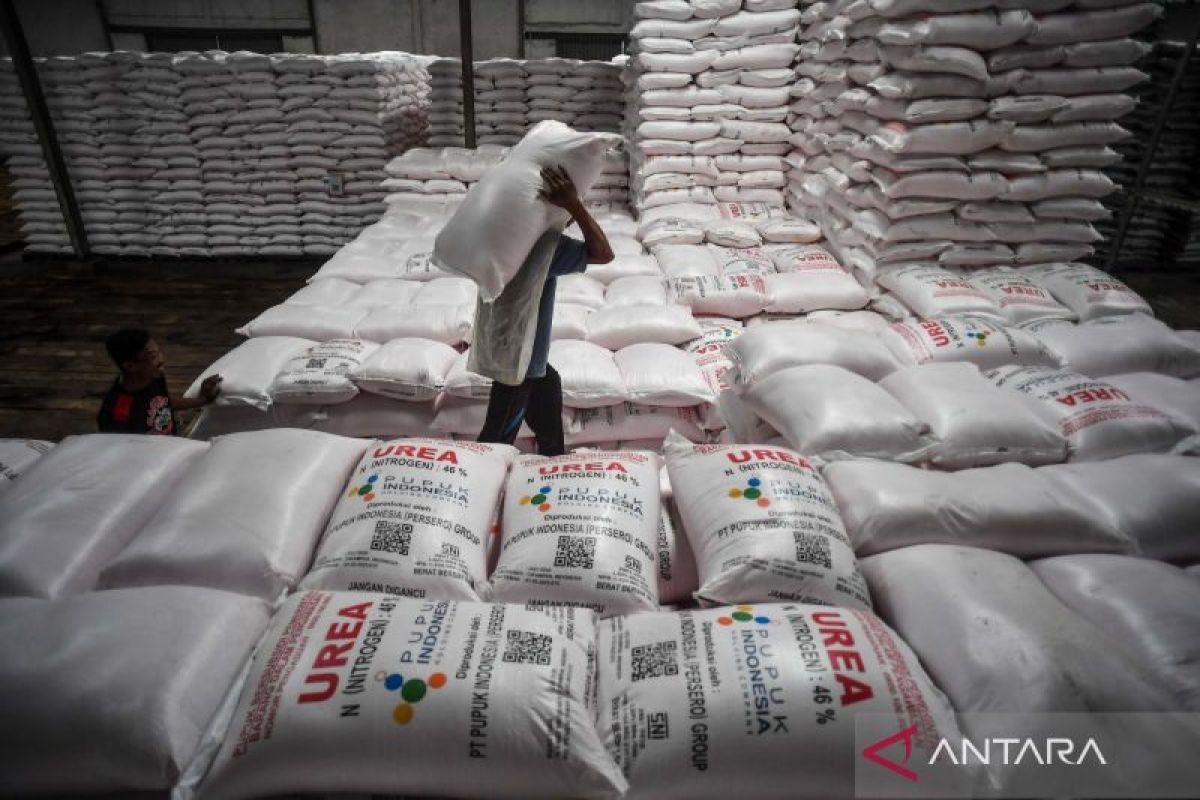
For years, fertiliser was often placed as part of agricultural policy. Public attention usually focused on the amount of subsidy, smooth distribution, or its availability ahead of the planting season. Its proximity to activities on agricultural land meant fertiliser was rarely viewed as a strategic industry for national competitiveness. However, that perspective is slowly shifting. The inaugural shipment of approximately 47,250 tonnes of Indonesian urea to Australia some time ago became an important marker. The export serves as the initial gateway for long-term cooperation estimated to be worth around Rp7 trillion. More than just a trade transaction, this step shows a shift in fertiliser’s role towards becoming part of the regional industrial supply chain. There are changes that are not always visible on the surface, yet it is precisely from points like these that a new direction for an industry begins to take shape. This change is occurring amidst a world that is not stable. Geopolitical tensions, supply chain disruptions, and the pressures of climate change are causing many countries to once again place food security as a primary agenda. In such a situation, fertiliser is no longer merely an agricultural input, but part of the strategic infrastructure that determines the sustainability of food production. It is at this point that Indonesia’s position is beginning to gain wider space. PT Pupuk Indonesia records a urea production capacity of approximately 9.4 million tonnes per year, while domestic needs are in the range of 6-7 million tonnes. This surplus opens up room for manoeuvre to maintain supply security while expanding export opportunities, still prioritising the needs of farmers. Alongside this, Indonesia’s position in the global industry is slowly being reshaped. This capacity becomes important capital in strengthening its role in the regional supply chain. Amidst the global need for stable suppliers, the ability to maintain production consistently becomes an added value that not all producer countries possess.