
From Final Project to New Identity: Gamelan Pesel's Journey in Balinese Karawitan
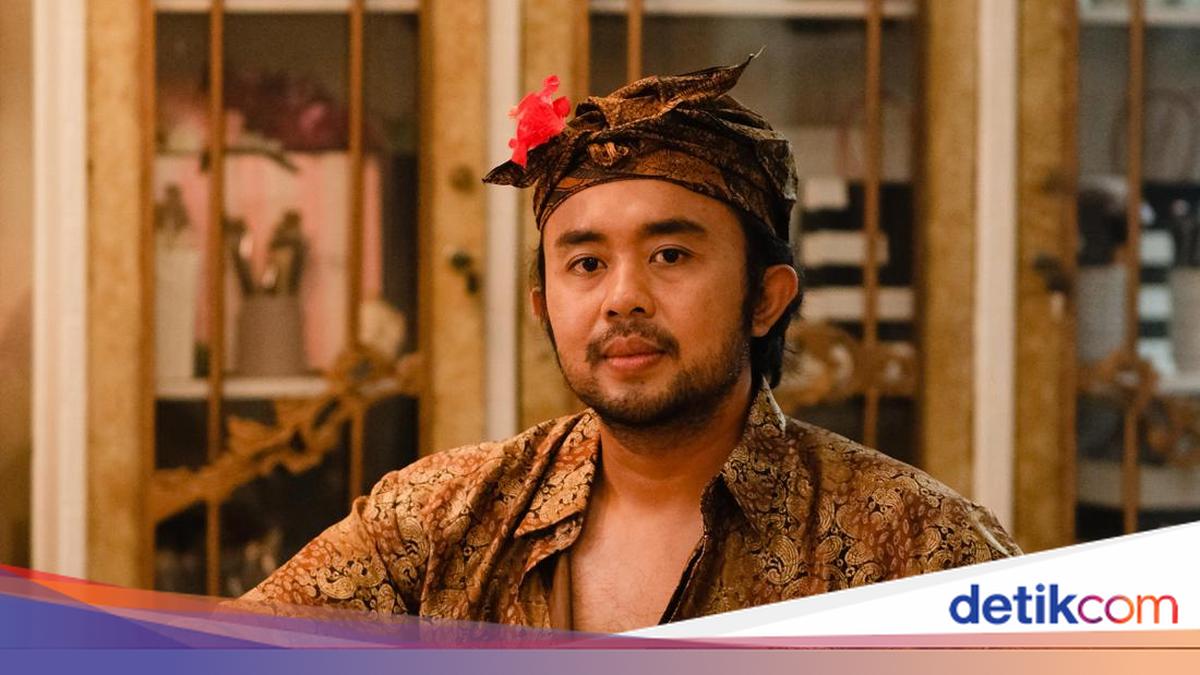
Not many final academic projects survive for more than a decade. Most become documents stored away in campus libraries. Gamelan Pesel is different. Beginning as a final project at the Indonesian Institute of the Arts (ISI) Denpasar, the musical ensemble created by I Wayan Arik Wirawan has continued to develop and is now a widely recognised innovation in Balinese karawitan. The journey of Gamelan Pesel began around 2010-2011 when Arik started designing a new gamelan for his final project at ISI Denpasar. At that time, he made a simple prototype with a frame that was far from its current form. “I planned a new type of gamelan to use for my final project at ISI Denpasar in 2013. I made a prototype with a very simple frame,” Arik said in an interview on Friday (26/5/2026). Before being used for his academic examination, the prototype had the opportunity to perform at the Bali Arts Festival (PKB), representing Denpasar City in the musical development category. In that performance, his instrument was collaborated with a gamelan geguntangan. That experience became a turning point that made Arik more confident in developing his idea. He then refined the instrument’s design using better materials and introduced carvings that became the visual identity of Gamelan Pesel. In 2012, the initial set of instruments that became the foundation of the ensemble was born, consisting of two gangsa or pemade and two jublag. A year later, these instruments became the primary medium for completing his final project at ISI Denpasar. Unlike gamelan creations driven by specific needs, Arik admitted that Gamelan Pesel was born from a desire to translate musical ideas that had long existed in his mind. “I greatly admire and am proud of the many types of Balinese gamelan. But I wanted to translate what was in my mind at the time. I wanted a new form of gamelan that truly characterised me or the compositions I made,” he said. The main inspiration for Gamelan Pesel came from two types of gamelan that Arik particularly liked: Selonding and Semar Pegulingan. From these two sources, a new ensemble was born that combines elements of tradition and renewal. “Within it, there is a form of tradition as well as cultural innovation. I connected the concepts of Selonding and Semar Pegulingan, then formed a new gamelan that presents a blend of both,” he explained. Interestingly, Arik admitted he did not face major challenges in developing his academic work into a living arts group within the community. Support came from fellow artists who helped develop Gamelan Pesel, as well as from his parents, who provided both moral and financial support while he was still a student. Additionally, assistance from the Student Creativity Programme (PKM), which advanced to the national level, helped with the development of the instrument. At that time, Arik even had the opportunity to present his ideas in Yogyakarta. The name ‘Gamelan Pesel’ itself only emerged in 2014 when Arik was pursuing his master’s degree. The name was given by his colleague, I Made Antara, who saw the unique character of the new ensemble. Now more than a decade old, Gamelan Pesel has not only survived as a work of art but has also grown into a solid community. Arik expressed his emotion that most of the members who have been involved since the beginning are still creating art together. “I am very touched. Since 2016, I have built this group with the same people. Until now, in 2026, it is still with the same people, without anyone leaving or joining,” he said. According to Arik, the group’s continuity is special because most of its members now have families and other commitments. Despite this, they still make time to rehearse and perform when there are artistic projects. For him, the journey of Gamelan Pesel is not only about music, but also about togetherness and the commitment to keep creativity alive. That optimism also makes Arik confident that Gamelan Pesel still has a long future in Balinese karawitan. In addition to performing at various art events, the group is also active in ngayah, or voluntary service, for customary and religious activities. “I am optimistic about the future. Many people want Gamelan Pesel to continue to be played. We also often perform ngayah at various events and do so happily. This is our pride as Balinese karawitan artists,” he said. Thirteen years after it was first designed as a student project, Gamelan Pesel has proven that an academic work does not have to end within the campus walls. Through consistency, community support, and a spirit of innovation, the work continues to live and become part of the development of Balinese karawitan in the modern era.