
From Debottlenecking to Genchi Genbutsu: Assessing the Case for Governors’ District-Level Meetings
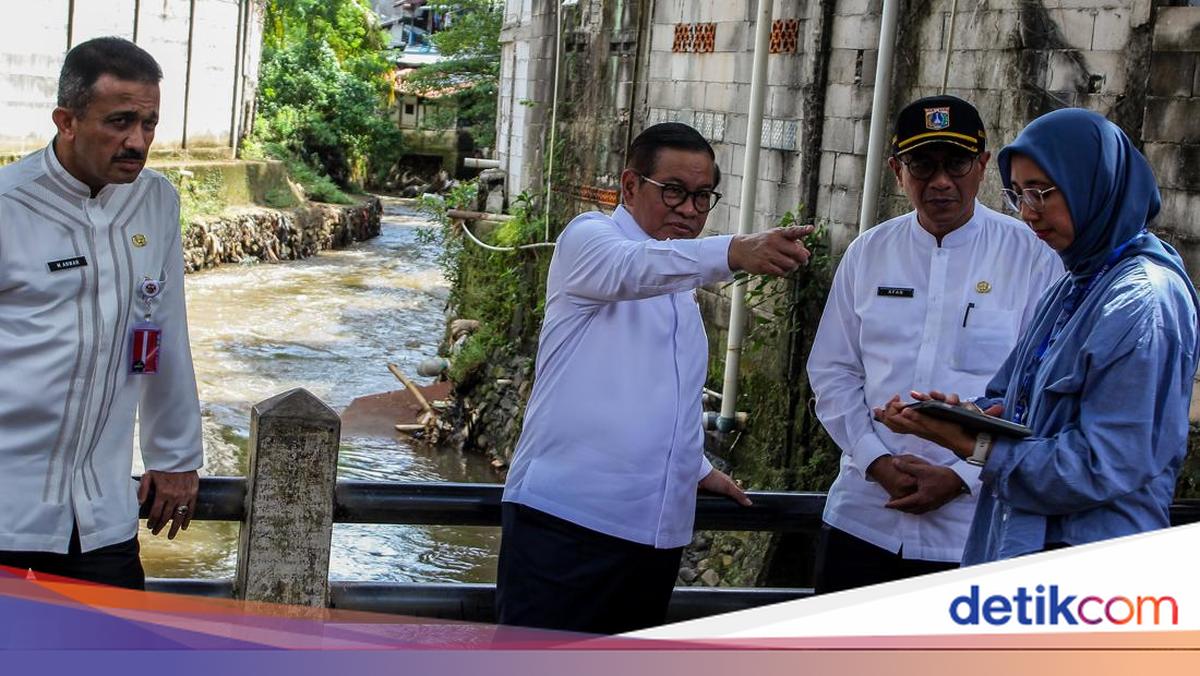
“I’m not someone who likes making surprise inspections; that is usually just for show. I come to solve problems and make decisions. I really don’t mind if journalists aren’t there,” Jakarta Governor Pramono Anung said in response to a journalist’s question after a limited meeting at the Tanah Abang District Office in Central Jakarta on Thursday (5 November). The journalist had cited online comments suggesting that he should conduct surprise inspections instead of holding scheduled meetings.
The Tanah Abang meeting was the second of 44 planned visits to districts, a programme expected to be completed in about four months. The first meeting was held in Kembangan, West Jakarta, on Tuesday (3 November). The media were not invited to the district office in Kembangan, but went directly to the site scheduled for inspection afterwards.
For Pramono, the meeting is an internal activity, not something to publicise or put on display. What matters is the outcome: whether decisions are followed up and ultimately benefit the public.
The results in Kembangan were fairly concrete. Work on a 2.3-kilometre retaining wall along the Angke River will continue. The widening of Joglo Raya, a 2.3-kilometre road, was approved, with completion targeted for 2028. The Meruya Selatan waste processing facility, known as TPS 3R, will be opened to private-sector collaboration. As a Meruya resident, I know well how long people have been waiting for improvements to Joglo Raya.
Not a new idea
The idea of a governor going out to meet people in local areas is not new. During Fauzi Bowo’s administration, there was a programme under which he worked from kelurahan, or urban village, offices on a rotating basis. In 2010–2012, when I was still a civil servant on probation at the Bureau of Government Administration, I accompanied some of these activities.
The agenda included meeting residents, speaking with them, giving guidance to staff, and inspecting services such as electronic identity cards (e-KTP) and other public services. In my view, the events felt more ceremonial than substantive. With 267 urban villages, reaching them all in a single term was clearly difficult. As far as I know, by the end of his term in 2012, Fauzi Bowo had not completed his visits to every urban village.
Pramono’s programme is on a different scale. With 44 districts and a four-month target, the plan is more realistic. More importantly, its measure of success is not the atmosphere of the visits, but the decisions made.
Why the district level?
My hypothesis is that Jakarta’s major problems are in fact an accumulation of smaller, unresolved issues on the ground. Addressing problems at district level is therefore a breakthrough worth trying.
District heads, supported by urban village heads, are relatively well placed to understand what is happening in their areas. They are frontline bureaucrats who deal with residents every day. This resembles Michael Lipsky’s discussion of street-level bureaucracy (1980): frontline officials know the problems best, but control over resources and decisions lies elsewhere.
Some issues fall under the authority of city or regency-level technical agencies, or even provincial agencies. District heads can only coordinate with sector or service units—the agencies’ representatives in the districts—or report up the chain to mayors or regents.
That is why each limited meeting includes the heads of relevant Regional Apparatus Organisations (OPDs), including agency and board heads. The governor’s presence can unblock problems that have long been stalled.
Go and see for yourself
Unlike the Kembangan meeting, which was followed by a site visit, the Tanah Abang agenda consisted only of a meeting. However, one issue could not yet be decided, and the governor asked for a direct visit to the location to be scheduled.
This is similar to the Toyota management philosophy of genchi genbutsu: go and see for yourself before making a decision. Is it the same as blusukan, or making informal visits to the public? At first glance they seem similar, but the aim is different. It is not simply to take in the atmosphere or look around, but to understand the root of a problem.
In the Toyota Way, genchi genbutsu is paired with kaizen. Kaizen means “change for the better”: small, continuous improvements rather than one major leap. Improve things step by step, measure the results, then improve them again—and continue doing so. In the spirit of kaizen, improvements should ideally also come from those on the frontline. District and urban village heads should therefore be given room to propose refinements, rather than merely receive instructions.
The work that remains
It is important for the governor to keep monitoring implementation and results. An issue may be reported as ready for action during a limited meeting, yet prove difficult to implement on the ground.
The district meetings have only been held twice so far. As the governor moves on to the next district, the kaizen process in those already visited must continue, with someone responsible for overseeing it. If that happens, I hope Jakarta’s face can change for the better before too long.
Source: jawawa.id (https://jawawa.id/newsitem/from-debottlenecking-to-genchi-genbutsu-assessing-the-case-for-governors-district-level-meetings-1793958677)
Originally published by detikcom (https://news.detik.com/kolom/d-8741407/dari-debottlenecking-hingga-genchi-genbutsu-menakar-urgensi-ratas-gubernur-di-kecamatan), translated from Indonesian