
From Coffee Drinking to Investing: 3 Coffee Shop Business Lessons for Gen Z
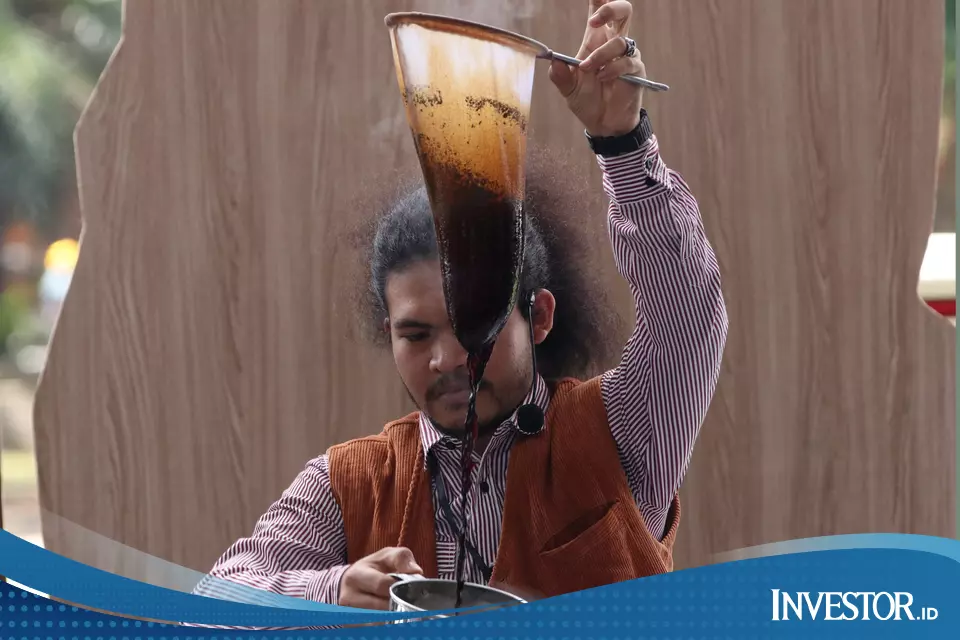
Drinking coffee is no longer just a habit for Gen Z. A Jakpat survey found that 66% of Gen Z drink coffee every day, and Indonesia now possesses 4ng461,991 coffee business points, the highest in the world. Amidst such a large market, coffee shops can serve as an entry point for real-sector investment, provided they are managed with careful calculation.
Coffee has become the preferred beverage for the younger generation to accompany daily activities, ranging from completing university assignments to impromptu work meetings. A 2024 Jakpat survey of 1,008 respondents found that 66% of Gen Z drink coffee daily, while 45% of respondents across all generations use coffee moments as a socialising opportunity. Another finding from a GoodStats survey released in October 2024 showed that 71% of respondents prefer buying coffee rather than brewing it themselves at home.
This significant coffee-buying habit has birthed a dense array of coffee businesses. Global Point of Interest (POI) data as of November 2025 noted that Indonesia has 461,991 coffee business points, far exceeding China (approximately 190,000) and the United States (approximately 145,000).
The Specialty Coffee Association of Indonesia (SCAI) warns that this figure includes everything from modern cafes to simple coffee stalls, meaning not all are necessarily still operational. Young people are also participating through ventures such as street coffee and coffee-to-go.
The industry is also moving from the upstream sector. The Ministry of Industry noted that national processed coffee reached 1.4 million tonnes in 2024, with exports amounting to 196,000 tonnes valued at US$ 661 million. Domestic consumption, according to the International Coffee Organization (ICO), has risen by 50.02% over the last 10 years.
At this juncture, drinking coffee can shift from being a mere expense to an opportunity: an investment in the real sector. According to OCBC NISP, real-sector investment involves committing capital to tangible assets, such as property, gold, or business units, rather than intangible instruments like stocks and mutual funds. A coffee shop, complete with equipment, raw materials, and its business premises, falls into this category.
The question is, how to start without simply following a trend? Two business owners provide answers from different perspectives. Neither is Gen Z, but there are lessons that the younger generation, who are considering similar steps, can take away.
Lesson 1: Understand the Product and Market Taste
The first lesson comes from Fertina, the owner of D’Coffee, who comes from a world far removed from coffee. She previously worked as a beauty advisor for cosmetic products, an event worker, and spent almost 10 years in a pharmacy. However, six months of part-time work in a coffee shop changed her life’s direction.
“I was tired of office work,” she said.
Customers like Roy enjoy it because the coffee beans are visible and brewed right before their eyes. Roy stops by almost every afternoon to work, often ordering more than one cup, with palm sugar coffee being his favourite menu item. This means that the capital invested only works optimally if the owner understands the product and can read market tastes.
Lesson 2: Make Coffee a Cash Flow Support, Do Not Rush to Expand
Source: jawawa.id (https://jawawa.id/newsitem/from-coffee-drinking-to-investing-3-coffee-shop-business-lessons-for-gen-z-1790268648)
Originally published by investor.id (https://investor.id/money-lab/455427/dari-ngopi-ke-investasi-3-pelajaran-bisnis-kedai-kopi-untuk-gen-z), translated from Indonesian