
From Bojonggede to Sentul, the Beginning of Major Changes in Bogor's Transportation
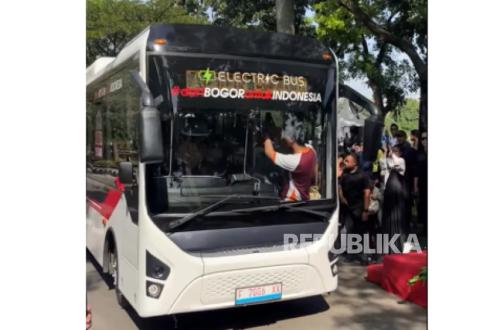
REPUBLIKA.CO.ID, JAKARTA – Mornings in Bogor Regency always begin with the same rhythm: the layered roar of engines, hurried footsteps, and a flow of people heading towards Jakarta. From Bojonggede to Sentul, from residential alleys to main roads, mobility forms the unceasing pulse of life. In this area with more than six million inhabitants, journeys are not merely movements but a collective routine that shapes daily existence. Every morning, thousands depart carrying hopes, work, and obligations. In the evenings, they return with equal exhaustion, merging into traffic jams that seem like a shared fate. Roads are widened, intersections reorganised, and traffic engineering measures are repeatedly implemented. Yet private vehicles multiply faster than the solutions provided, causing old problems to recur in nearly identical forms. Amid this impasse, a new awareness emerges that adding more road space is no longer the answer. Bogor Regent Rudy Susmanto recognises that mobility issues must be addressed differently, by introducing a modern, integrated mass transportation system capable of changing public habits. From this idea was born the KaBogor Electric Bus, a modest effort harbouring great promise. Four electric bus fleets are beginning trials on the Bojonggede to Sentul corridor. Their introduction to the public occurred during the Car Free Day on Jalan Tegar Beriman, as if to affirm a new direction: that future transportation is not just about speed, but also sustainability. For three months, the service is free, giving the community a chance to experience a quieter, more scheduled travel alternative. The choice of Bojonggede is not arbitrary. Each day, around 50,000 KRL passengers alight at this station, then disperse without an integrated direction. They rely on private vehicles, motorbike taxis, or independent public transport. It is at this point that the KaBogor Bus seeks to fill the gap, connecting the station with economic zones such as Cibinong and Sentul, including key points like AEON and stops linked to TransJakarta services.