
From Bandung to Surabaya via Northern Route, KA Harina Serves 567,772 Passengers
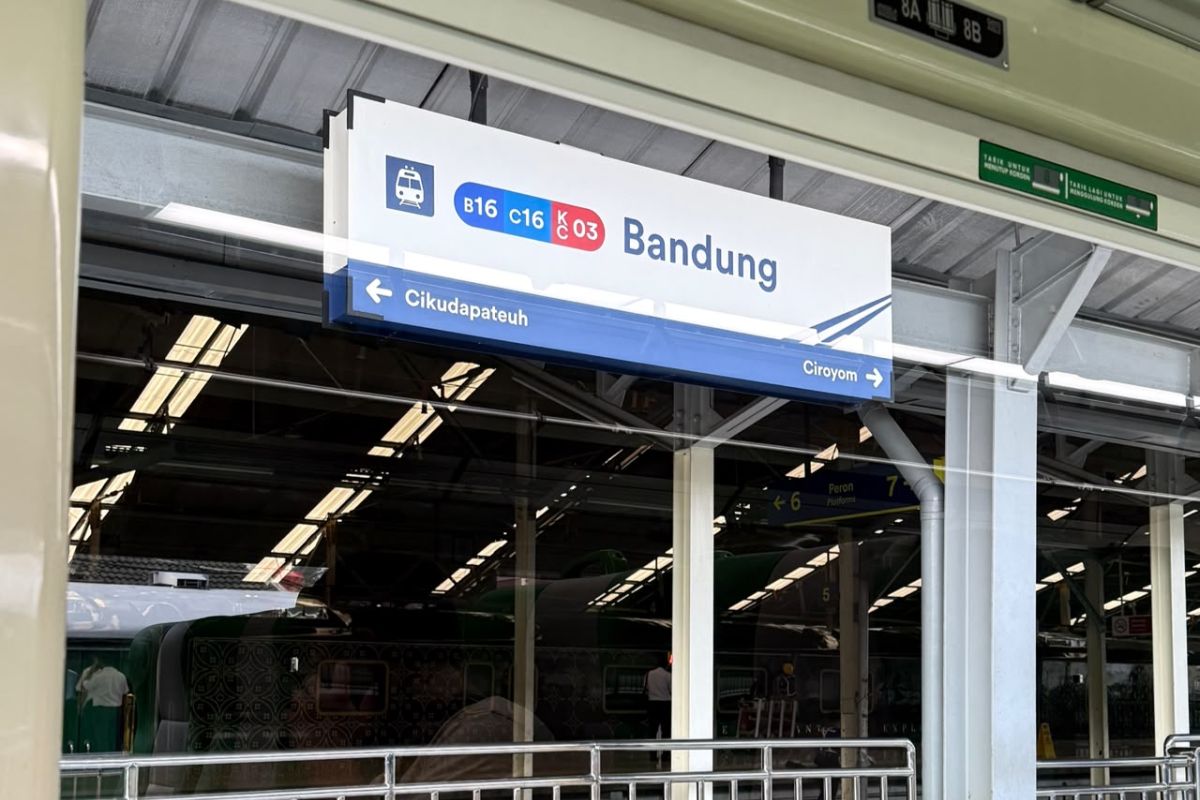
The KA Harina possesses a quite unique travel character. Departing from Bandung, which is located in the southern corridor of Java, this train heads towards Surabaya Pasarturi by first moving towards Cikampek, then entering the northern route through Cirebon, Tegal, Pekalongan, Semarang, Cepu, Bojonegoro, and finally Surabaya.
From January to September 2026, KA Harina has served 567,772 passengers, an increase of 19.37 per cent compared to the same period in 2025, which saw 475,637 passengers. In these nine months, the number of passengers grew by 92,135 people.
This route character allows KA Harina to connect Bandung with various cities in the northern corridor of Java in a single journey. Passengers from West Java can reach numerous cities in Central Java and East Java, while residents along the northern route have direct access to Bandung.
KAI Vice President of Corporate Communication, Anne Purba, stated that the KA Harina route demonstrates how the railway network can provide different travel options according to the mobility needs of the public.
“Harina has a unique route. From Bandung, the journey moves towards Cikampek first before following the northern route to Surabaya. In a single journey, many cities can be interconnected,” said Anne.
Throughout 2026, the passenger volume for KA Harina was recorded at 56,483 in January, 46,566 in February, 73,568 in March, 57,726 in April, 61,348 in May, 73,819 in June, 70,840 in July, 67,366 in August, and 60,056 passengers in September.
During its journey, KA Harina serves several stations including Cimahi, Purwakast, Cikampek, Cirebon, Tegal, Pekalongan, Semarang Tawang, Ngrombo, Cepu, Bojonegoro, Babat, Lamongan, up to Surabaya Pasarturi, with stopping patterns adjusted to the journey.
This route provides benefits for various public mobility needs, ranging from work, education, and trade to family visits and tourism. The choice of KA Harina travel at different times also provides flexibility for passengers to adjust their departures according to their respective agendas.
“The more cities that are connected, the wider the options for the public to carry out their activities. This type of connectivity is what we continue to maintain through safe, comfortable, and reliable services,” said Anne.